

 ع
ع

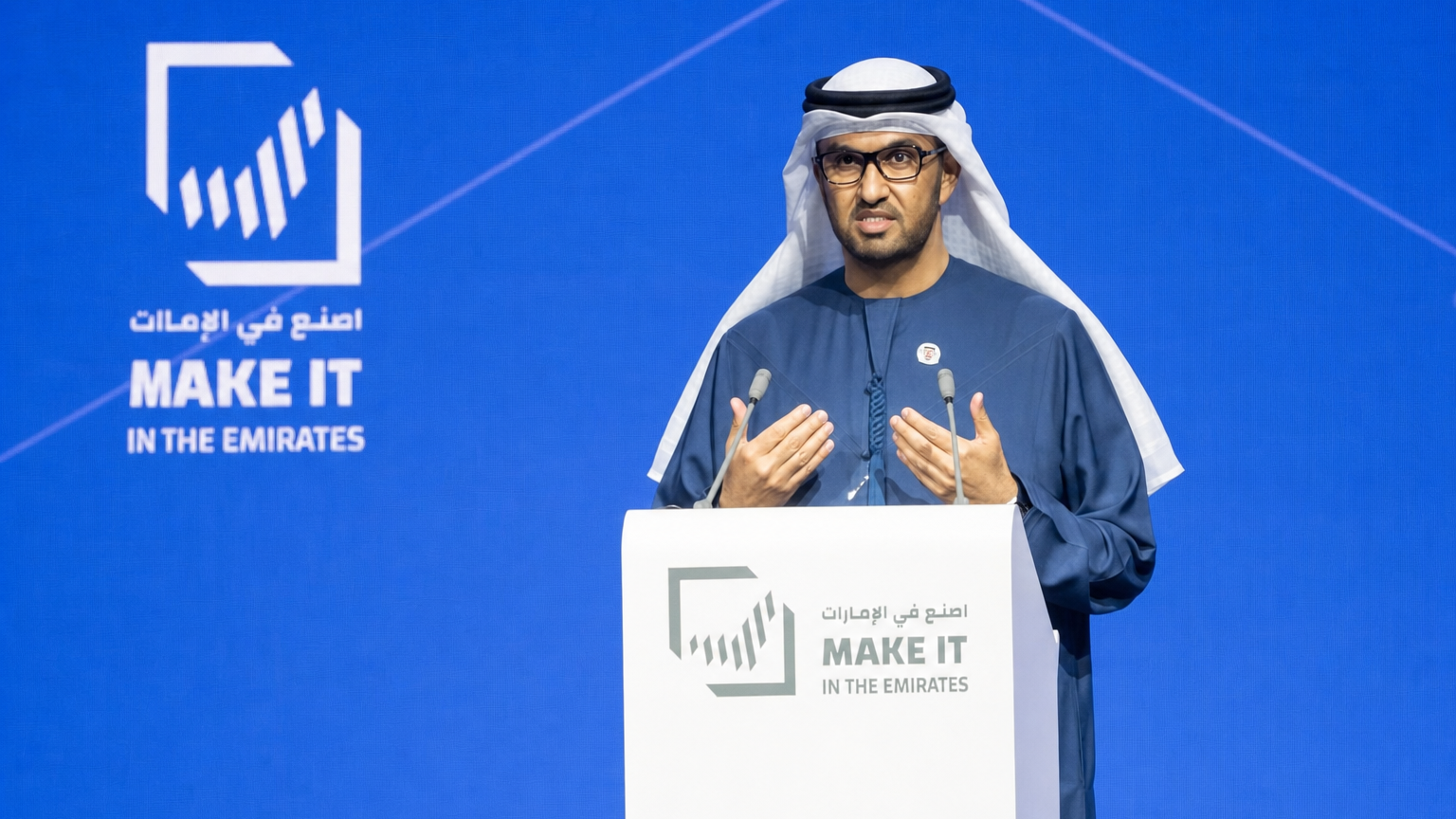

The United Arab Emirates exited OPEC and the wider OPEC+ alliance on May 1 2026 after nearly six decades of membership according to a Bloomberg report on the speech by ADNOC CEO Sultan Al Jaber. Al Jaber who also serves as the UAE’s minister of industry and advanced technology described the move as serving national interests and long-term strategic objectives. The decision followed months of tensions within the group over production quotas and came amid global energy market disruptions caused by conflict in the region Reuters reported separately.
Al Jaber made the remarks at the Make It In The Emirates industrial conference in Abu Dhabi where he stressed the exit aligned with the country’s industrial economic and developmental ambitions. “It serves our national interests and long-term strategic objectives aligns with our industrial economic and developmental ambitions and gives us greater ability to accelerate investment expand and create value” he said in the speech covered by Bloomberg. The comments came days after the formal withdrawal which had been announced with less than a week’s notice.
UAE Energy Minister Suhail Al Mazrouei told the same conference that the country owed it to its investment partners to produce what global markets require without restrictions while still cooperating with other producers according to a Reuters dispatch from the event. Al Mazrouei added that the UAE had left the group on good terms and expressed confidence in continued work with OPEC and OPEC+ members. The minister described the step as a sovereign decision that was not directed against any party.
The UAE’s production capacity stood at 4.85 million barrels per day before the exit with plans to raise it to 5 million barrels per day by 2027 a Reuters compilation of official targets showed. In the months following the withdrawal the country increased crude output to near-record levels above 3.8 million barrels per day in June 2026 two sources familiar with the data told Reuters. That figure represented the highest monthly total since April 2020 and exceeded pre-conflict production according to the news agency’s estimates.
The exit has allowed ADNOC to sell crude through tenders at discounted prices as it ramps up supply traders told Reuters in July 2026. This rebound has outpaced that of other Gulf producers many of whom remain below pre-conflict output levels while dealing with constraints in the Strait of Hormuz. Industry observers noted the move underscored Abu Dhabi’s push for greater freedom from quota restrictions that had capped its production below capacity for years.
Anwar Gargash a senior adviser to the UAE president told Reuters in May 2026 that the decision to leave had been three years in the making and reflected the country’s view that the world was nearing the autumn of the hydrocarbon age. Gargash said maximising oil revenues now would allow the UAE to fund investments in other areas while it still could. The presidential adviser added that OPEC membership had kept UAE output well below its potential for too long.