
 ع
ع

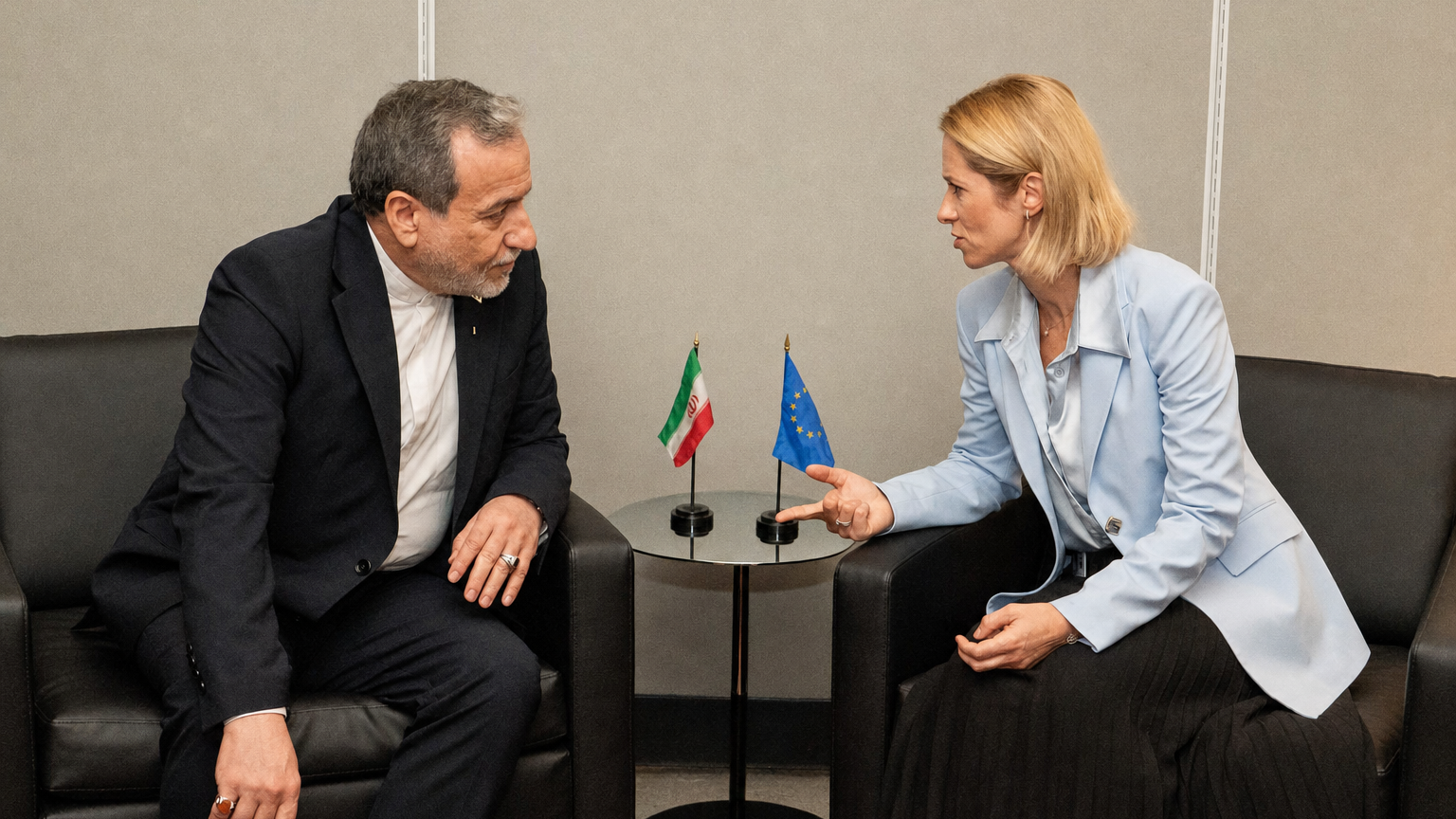

Iranian Foreign Minister Abbas Araqchi stated on September 27 that Tehran’s conditions for reopening the Strait of Hormuz remain unchanged and any movement on the issue depends on those conditions being fulfilled. Araqchi posted on social media that only a negotiated solution can break the current deadlock, according to Reuters. He added that Iranian officials had heard Trump’s initial reaction but had received no formal rejection through mediators. The foreign minister had announced the proposal at the United Nations General Assembly the previous week and transmitted it to Washington via Qatari intermediaries.
The Iranian plan outlined a seven-day countdown to reopening the strait alongside a pause in regional fighting that would then lead to broader talks on mutually agreed topics, Araqchi told reporters at the United Nations on September 26. The proposal also called for a cessation of all hostilities across the Middle East including in Lebanon as well as fulfillment of a previous ceasefire agreement that had collapsed, Reuters reported. Araqchi stressed that if the United States showed seriousness about reaching a deal everything was prepared for implementation.
President Donald Trump told reporters at the White House that he had rejected the Iranian proposal because Tehran wanted an immediate opening of the strait while it was losing ground in the conflict. Trump said the Iranians sought a deal to open the Hormuz Strait immediately because they are losing so badly, according to multiple accounts carried by Reuters and the Hindustan Times. Despite the public rejection Iranian officials said mediators had not yet conveyed any official U.S. response to the plan.
A U.S. Congressional Research Service report updated in August 2026 noted that prior to the current conflict more than 20 million barrels of oil per day had moved through the Strait of Hormuz representing over 20 percent of globally traded oil. The report traced the origins of the tensions to U.S. and Israeli military operations against Iran that began on February 28, 2026, prompting Iranian retaliation including efforts to control traffic through the waterway. A subsequent memorandum of understanding signed in June 2026 had aimed to restore commercial flows but has faced repeated strains from tit-for-tat incidents.
Iranian President Masoud Pezeshkian told supporters upon his return from New York that Tehran would stand firm with strength and remain at the service of its people until the last breath. Pezeshkian said the government would continue as honest servants to the Iranian public, according to the Hindustan Times. His remarks followed Araqchi’s insistence that Iran has never closed the door to diplomacy while refusing to back down from its rights.
Araqchi had earlier held discussions with U.S. officials including Trump’s envoy during the UN meetings where he reiterated that Iran does not accept coercion threats or intimidation and will not surrender its sovereign rights, TRT World reported. The Islamic Revolutionary Guard Corps also issued statements underscoring that operations would continue until Iran’s seven conditions are met. Mediators continue to facilitate exchanges between the parties with both sides indicating they await further formal communications on the proposal.