
 ع
ع


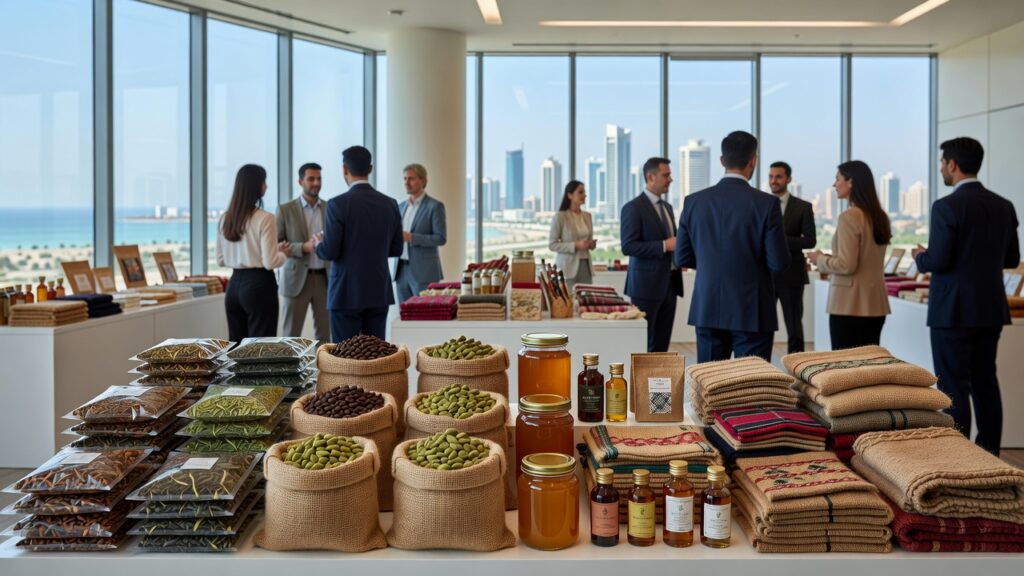
The Federation of Indian Export Organisations organised an interactive session in association with SOHAR Port and Freezone at the Embassy of the Sultanate of Oman in New Delhi on September 16, 2026, that drew exporters, manufacturers and Omani stakeholders to examine joint venture prospects and value-added production. FIEO Director General and CEO Ajay Sahai said the India-Oman Comprehensive Economic Partnership Agreement, which entered into force on June 1, 2026, allows Indian companies to position Oman as a regional base for processing and onward distribution rather than solely an end market. “The strategic location of Sohar Port is important for our increasing trade, and since Sohar Port is a free trade zone along with the port, we should also look at investment and manufacturing,” Sahai said according to ANI reporting on the event. He added that intermediate products could be exported from India to Oman for further processing before reaching markets in the GCC or the United States under applicable origin rules.
Oman’s Ambassador to India Issa Saleh Al Shibani, SOHAR Freezone CEO Raid Al Rubaiey and other officials joined FIEO Regional Chairman Arvind Goenka and additional speakers to address participants, a subsequent FIEO social media post on the gathering stated. The programme included B2B meetings that connected Indian businesses with SOHAR representatives to explore partnerships in sectors ranging from food and pharmaceuticals to metals and renewable energy. Discussions also covered SOHAR’s logistics connectivity, which offers a route around the Strait of Hormuz for cargo moving to GCC destinations via road and future rail links.
Bilateral trade between India and Oman reached 11.187 billion dollars in fiscal 2025-26, up from 10.614 billion dollars the previous year, Indian Embassy in Muscat figures show. The CEPA provides duty-free access covering 98.08 per cent of Oman’s tariff lines and 99.38 per cent of India’s exports by value, according to government statements issued when the agreement took effect. Sahai noted that the deal raises the permitted share of Indian professionals under intra-corporate transfers to 50 per cent, supporting manufacturing setups that require skilled personnel from India.
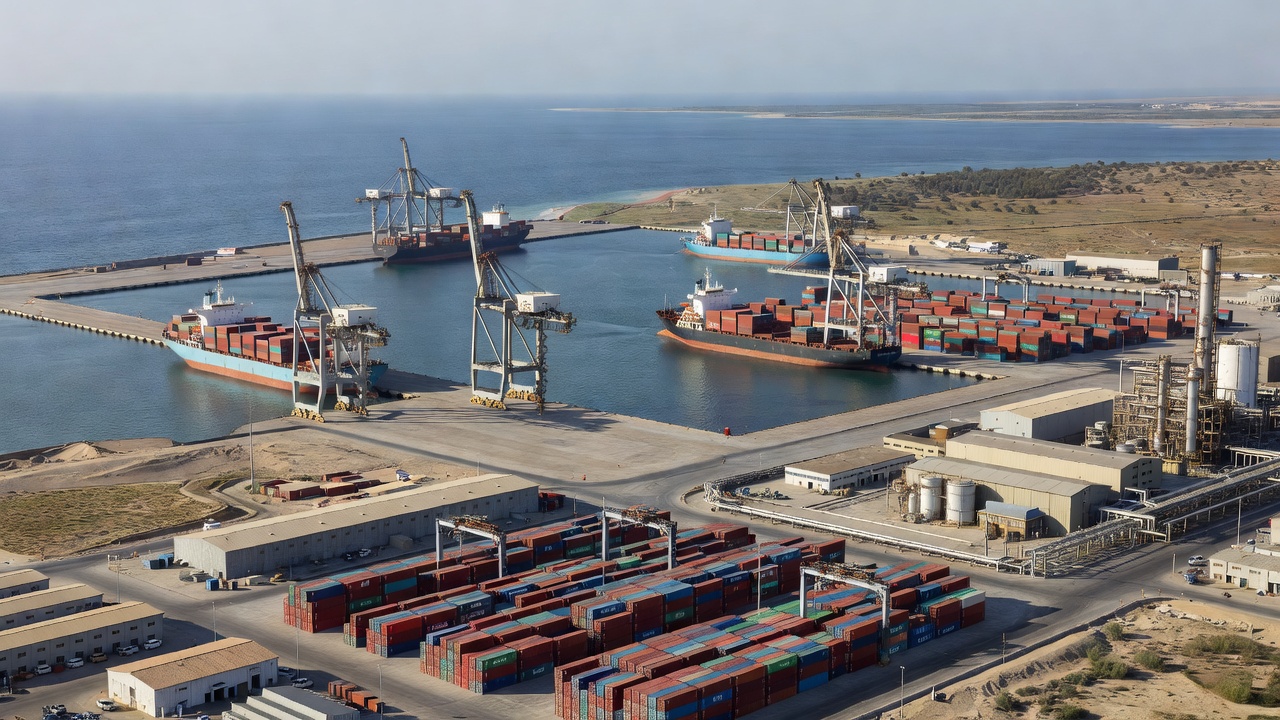
SOHAR Port and Freezone has secured investments exceeding 30 billion dollars with annual cargo throughput surpassing 72 million tonnes, the authority’s operational data indicate. Cargo volumes rose 52 per cent to 52 million tonnes in the first half of 2026 compared with the same period a year earlier, SOHAR officials reported. The port and freezone contribute to industrial clusters in metals, petrochemicals and logistics while generating employment for more than 42,000 workers directly and indirectly.
Raid Al Rubaiey told the session that SOHAR’s location on the Gulf of Oman, combined with its freezone incentives and existing Indian investments such as the Jindal steel facility, creates a platform for expanded manufacturing and trade flows. Expansion plans include additional terminal capacity and land development to accommodate growing demand from Indian logistics operators interested in captive or multipurpose berths, Business Standard quoted him as saying. The integrated model enables seamless movement of goods into GCC markets through established road networks, with an Oman-UAE rail link scheduled for completion by 2028.
The gathering supported Oman’s Vision 2040 objectives that identify manufacturing, investment and logistics as drivers of non-oil growth, according to statements from Omani embassy representatives at the event. Participants reviewed regulatory frameworks, tax and customs benefits, and 100 per cent foreign ownership provisions available at SOHAR Freezone. Follow-up engagements are planned to advance specific proposals discussed during the B2B segment into formal investment agreements.