

 ع
ع

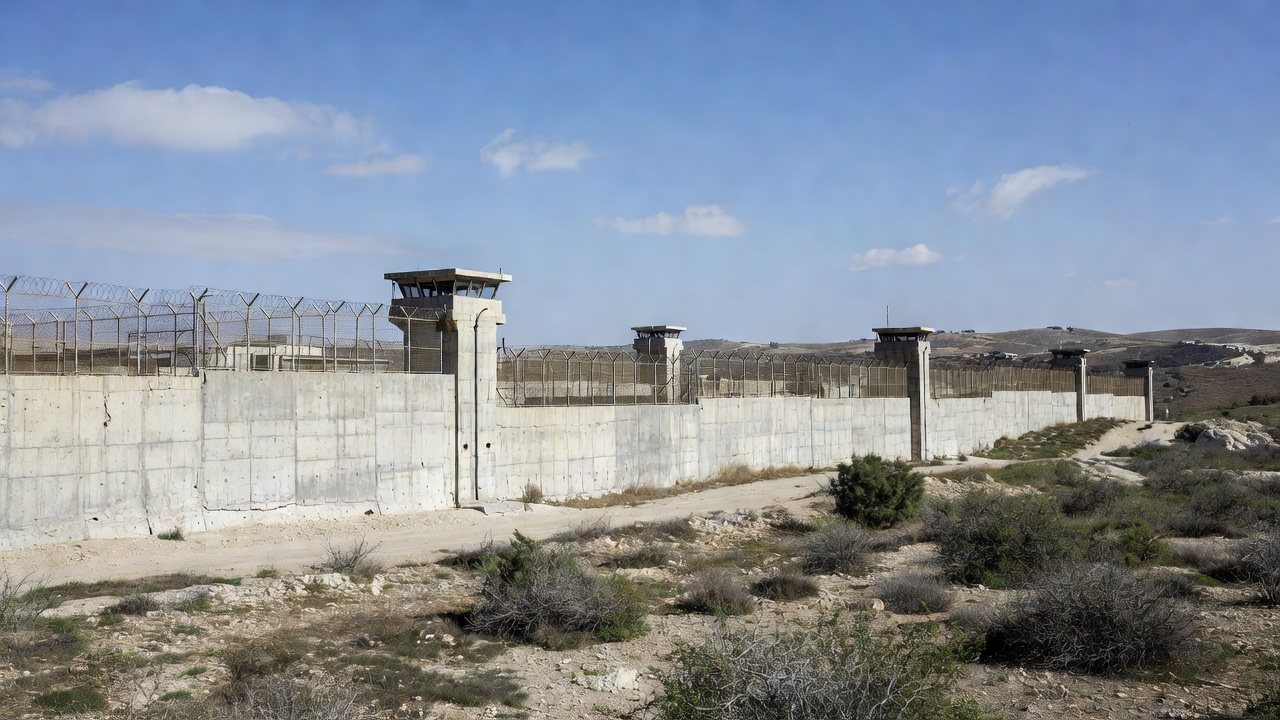

The Palestinian Commission of Detainees and Ex-Detainees Affairs issued a statement detailing how Palestinian prisoners endure complex living and health conditions due to persistent policies it characterised as vengeance by Israeli authorities. The commission highlighted three inmates in Ofer Prison experiencing deteriorating health including an elderly detainee with chronic illnesses and visible bruises from his time in custody. Patients receive no medication while skin diseases spread rapidly increasing risks to their overall condition according to the PCDEA. The commission further reported that inmates lack basic sanitation tools and face multiple additional punitive measures that compound their difficulties. It urged immediate action to deliver necessary medical support especially for those who are ill or advanced in age. The PCDEA emphasised that all forms of assault and medical negligence should end with conditions brought in line with international humanitarian standards.
The warning builds on earlier alerts from Palestinian groups about conditions inside facilities such as Ofer Prison. The Palestinian Prisoners Club stated in February 2026 that the site had seen intensified repression including starvation tactics and novel methods that cause burns to detainees’ bodies. A report by Physicians for Human Rights Israel documented at least 98 Palestinian deaths in Israeli custody since the Gaza war began with many attributed to violence and lack of treatment.
Separate inspections by Israel’s Public Defender’s Office in 2024 revealed widespread issues across four prisons including systematic beatings food shortages and unsanitary environments that triggered disease outbreaks. The office described conditions in some facilities as unfit for human beings with prisoners showing signs of severe malnutrition and infected injuries from reported abuse. Scabies infections affected multiple sites causing incessant pain and secondary complications when left untreated according to the inspectors’ findings.
Former detainees interviewed by various outlets described routine denial of care for chronic conditions alongside insufficient food rations that led to substantial weight loss and weakened immunity. One ex-prisoner recounted how medication for ongoing illnesses was halted entirely after October 2023 contributing to rapid health decline among cellmates. These testimonies align with the patterns outlined in the PCDEA statement and oversight reports from both Palestinian and Israeli sources.
The commission’s latest assessment follows sustained monitoring of more than 10,000 Palestinian security prisoners held in Israeli facilities. Lawyers for the detainees have submitted repeated requests for medical transfers and independent examinations that frequently encounter delays or denials. International humanitarian organisations have echoed calls for improved access to the prisons to verify compliance with established standards on prisoner treatment.
Physicians for Human Rights Israel has tracked outbreaks of infectious diseases linked to overcrowding and limited hygiene supplies in several detention centres. Its data shows that malnutrition has become a recurring factor in prisoner health deterioration with some cases resulting in life-threatening complications. The PCDEA continues to press for accountability measures that would address the reported violations across the prison system.