
 ع
ع


GCC Secretary General Jasem Mohamed Albudaiwi issued a statement on August 22, 2026, strongly condemning Israel’s ongoing settlement expansion in the occupied West Bank and specifically highlighting the risks associated with advancing the E1 project. According to the statement published on the GCC website, these actions represent a flagrant challenge to international law and systematically undermine the rights of the Palestinian people while threatening regional stability. Albudaiwi called on the international community to intervene decisively to stop these policies and prevent any alteration of the geographic and demographic character of the occupied territories. The GCC chief reiterated that such practices obstruct prospects for peace and run counter to established international resolutions.
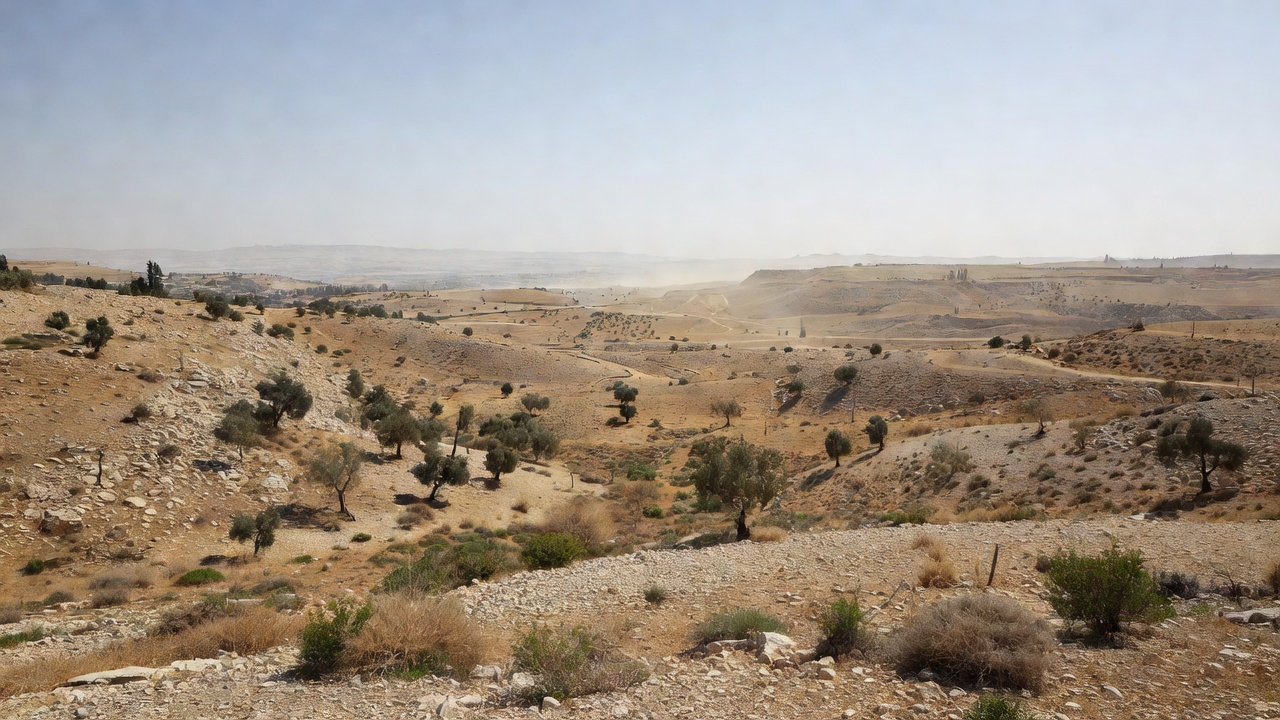
The E1 settlement plan, which involves tenders for thousands of new housing units east of occupied East Jerusalem, would expand Ma’ale Adumim and disrupt territorial contiguity between the West Bank and East Jerusalem, according to multiple reports on the project. Regional coverage indicated the plan encompasses more than 3,400 units and could add around 12 square kilometres to the settlement area following its approval process that began in 2025. A joint statement by foreign ministers from the UAE, Saudi Arabia, Qatar, Jordan, Egypt, Türkiye, Indonesia and Pakistan described the E1 project as a dangerous escalation that advances annexation and jeopardises the viability of a contiguous Palestinian state. The ministers, in their August 21, 2026, declaration reported by Gulf News, demanded an immediate halt to the plan and all related settlement activities.
Albudaiwi reaffirmed the GCC’s unwavering support for the establishment of an independent Palestinian state on the borders of June 4, 1967, with East Jerusalem as its capital. The statement emphasised that this position aligns with the Arab Peace Initiative and relevant international legitimacy resolutions. Such reaffirmations have formed a consistent element of GCC positions on the Palestinian issue across multiple prior statements addressing settlement activities.
The condemnation forms part of a broader wave of international criticism that included statements from European nations urging Israel to rescind the tenders immediately. Britain, Canada, France, Germany, Italy, the Netherlands and Norway issued a joint call for an end to settlement expansion, as detailed in coverage by UPI on August 21, 2026. The United States State Department spokesperson indicated that Washington does not support annexation, according to reports in The Jerusalem Post. These reactions underscore growing concern over measures that could further complicate efforts toward a two-state solution.
United Nations Security Council Resolution 2334, adopted in 2016, declared that Israeli settlements in occupied territory have no legal validity and constitute a flagrant violation of international law. The International Court of Justice has similarly affirmed the illegality of settlement activities in its advisory opinions. Albudaiwi’s statement on August 22, 2026, built on these established positions by urging a firm global stance to reverse policies that the GCC views as violations of Palestinian sovereignty and international norms.
Settlement expansion has continued despite repeated international calls to cease such activities, with the GCC statement noting that these steps impose new realities on the ground. The secretary general warned that the E1 project in particular poses a grave threat to peace efforts by dividing potential Palestinian territory. The GCC’s position remains centred on achieving a just and comprehensive resolution based on international law and the principle of land for peace.