
 ع
ع


Rayed Krimly, deputy minister for public diplomacy, said in a post on X that the agreement does not represent an effort to establish a military axis or a sectarian bloc. He added that the pact is not linked to any nuclear ambitions or arms race but instead focuses on building sustainable capabilities. Krimly stated that the deal does not constitute a threat to the security of any country in the region. Nor does it represent an escalation of tensions between any two states, according to the post shared with AFP.
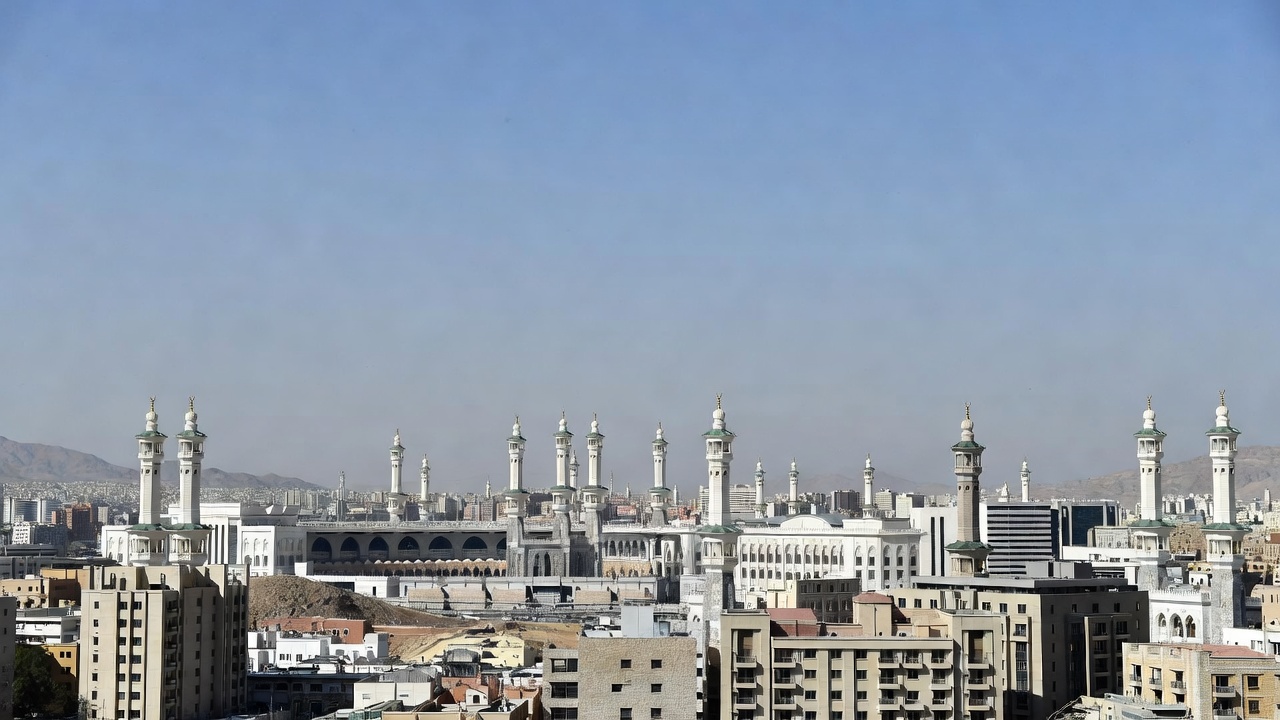
The Mecca Joint Defence Agreement was signed in the Saudi holy city on Friday, sources told Reuters. The pact includes a collective defence clause under which an armed attack against any one of the three countries would be regarded as an attack on all. A Turkish official described the accord as purely defensive in nature and said it pledges mutual support only for defence. The agreement is not directed against any specific actor, remains open to other regional countries and does not replace existing bilateral or multilateral arrangements, the official added.
The trilateral pact builds on a bilateral strategic mutual defence agreement that Saudi Arabia and Pakistan signed in September 2025, according to a joint statement released by Pakistan’s Ministry of Foreign Affairs at the time. That earlier accord similarly described any aggression against one as aggression against both, echoing language reminiscent of NATO commitments. Saudi Arabia has long hosted Pakistani troops and jets as part of longstanding military cooperation, a Reuters review of bilateral ties showed.
Speculation about a possible nuclear dimension to Saudi-Pakistani security ties surfaced after the 2025 bilateral pact, Reuters reported. Pakistan’s defence minister initially indicated that national capabilities would be available under the agreement before walking back the comment to clarify that nuclear weapons were not on the radar. A senior Saudi official described the 2025 deal as a comprehensive defensive agreement encompassing all military means without explicitly confirming any nuclear element, the news agency added.
The Belfer Center for Science and International Affairs assessed that nothing publicly stated by officials on either side explicitly indicates a nuclear-sharing arrangement in the Saudi-Pakistani pact. Pakistani officials have consistently maintained that their nuclear arsenal is focused solely on deterring India, the center’s analysis found. The latest trilateral clarification from Krimly aligns with those earlier positions by rejecting any nuclear or arms-race connection.
The signing occurs against a backdrop of heightened regional turmoil that has included missile strikes by Iran-backed militias on Gulf states since a U.S.-Israeli attack on Iran in February, according to Reuters reporting. Saudi officials have anticipated further such attacks, the agency noted. The new pact aims to strengthen collective deterrence and promote regional peace and stability, a joint statement on the agreement said.