
 ع
ع

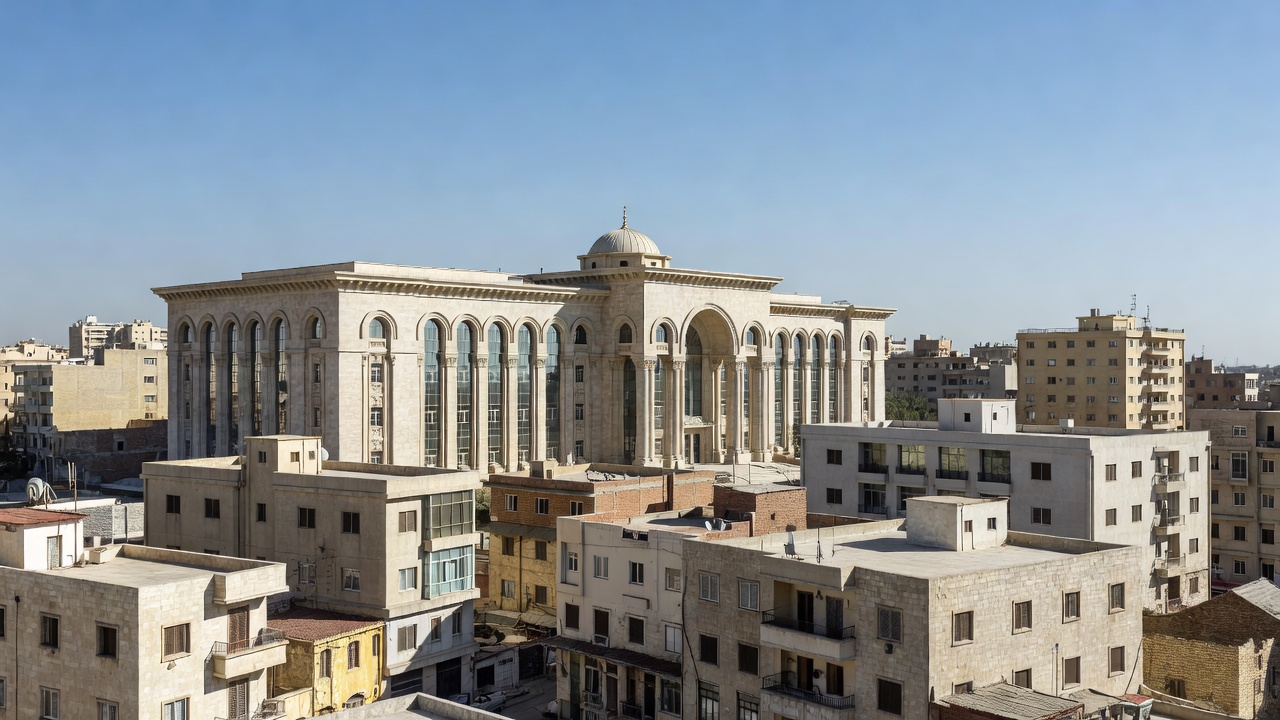

GCC Secretary General Jasem Mohamed Albudaiwi condemned in the strongest terms the terrorist bombing that targeted a cafe near the Palace of Justice in Damascus, a statement issued on July 3, 2026, said. Albudaiwi underlined the council’s full solidarity with Syria and its leadership in efforts to maintain security and stability across the country. The statement reiterated the GCC’s rejection of all forms of violence, terrorism and acts that seek to undermine peace in the region, according to the announcement distributed by regional news outlets. Syrian authorities launched an immediate investigation into the July 2 explosion, which they attributed to a planted explosive device.
Al-Monitor reported that the blast killed six people and left 22 others injured, citing initial tallies from Syrian security officials who arrived at the scene shortly after the detonation around 3 pm local time. Damascus Governor Maher Eldibi told reporters that those responsible for the bloodshed would face punishment, adding that malicious parties consistently attempt to destabilise the country whenever it experiences a period of calm. The governor’s comments came as eyewitnesses described scenes reminiscent of attacks during Syria’s civil war, with one resident recounting a powerful blast that shook nearby buildings and left victims lying in pools of blood. No group has claimed responsibility for the attack so far.
The incident represents the latest security challenge for Syria’s new authorities since the ouster of Bashar al-Assad in December 2024, Al-Monitor noted in its coverage of the blast. Islamist-led officials under President Ahmed al-Sharaa have worked to consolidate control, restore order and reunify the country following more than a decade of conflict. Multiple bombings have struck Damascus in the intervening period, testing the transitional government’s ability to secure urban areas and prevent targeted violence.
A suicide attack on a church in Damascus in June 2025 killed 25 people and marked one of the deadliest incidents since the regime change, according to tallies compiled by monitoring groups tracking post-Assad violence. Syrian state television described the cafe explosion as the work of an improvised device placed at the location, prompting swift condemnations from several Arab states in addition to the GCC position. Qatar’s foreign ministry separately issued a statement on July 2 condemning the attack and extending condolences to victims’ families while rejecting terrorism in all its forms.
Albudaiwi’s statement aligns with prior GCC positions on similar attacks in Syria, including a condemnation issued after the 2025 church bombing that also affirmed support for Syrian stability. The council has repeatedly called for regional cooperation to combat terrorism and prevent external interference that could exacerbate insecurity. Such declarations typically follow official briefings from member states attuned to developments in neighbouring countries.
Syria’s interior ministry has stepped up patrols and intelligence operations in central Damascus following the cafe attack, officials indicated in local reporting. The Palace of Justice area, which houses key government buildings, had seen heightened security measures in recent months to deter potential threats. Investigations continue as authorities seek to identify the perpetrators and any networks that may have facilitated the planting of the device.