
 ع
ع

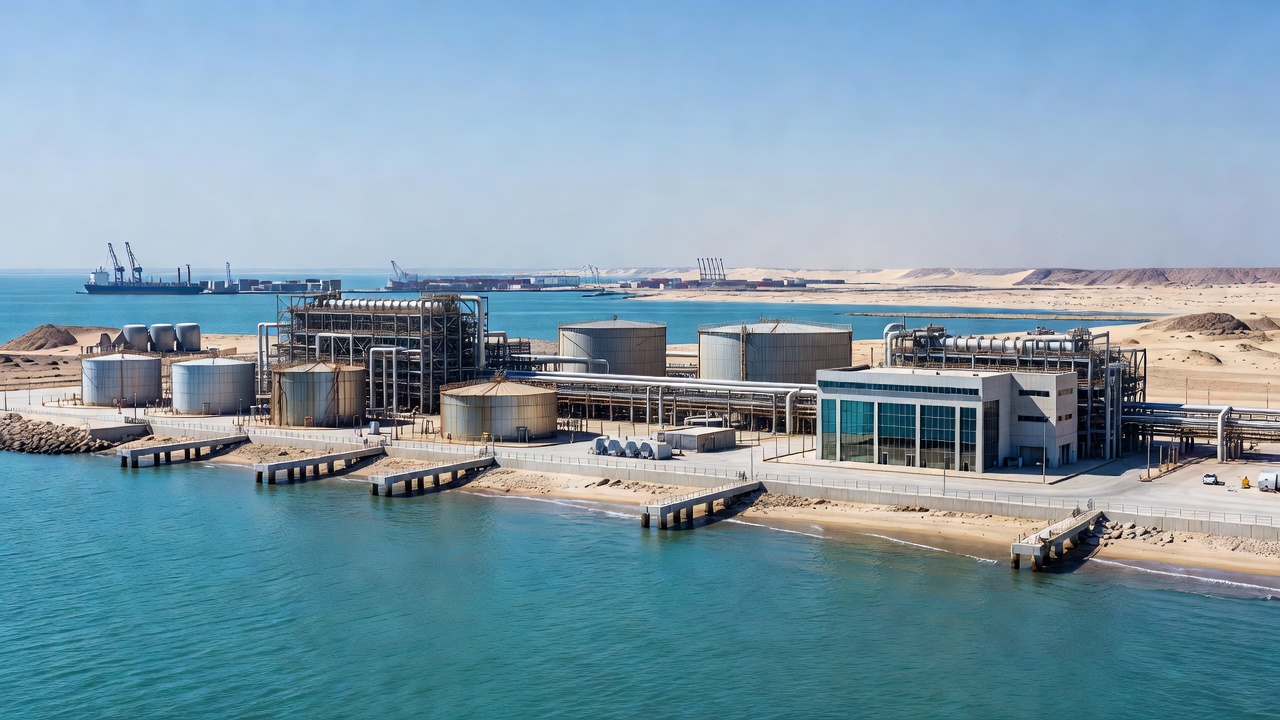

The Kuwaiti Ministry of Electricity, Water and Renewable Energy announced that an Iranian strike targeted a power and water distillation plant on Sunday, marking the second such incident in two days and resulting in a fire at some of the station’s facilities. In a statement posted on X, the ministry described the event as stemming from what it termed heinous Iranian aggression on Kuwait and confirmed that firefighting teams had been dispatched to extinguish the flames. Technical crews simultaneously began evaluating damage to power generation and water production units while implementing measures to limit disruptions across the national grid.
A similar ministry statement issued the previous day detailed an initial assault on a different plant that damaged a large number of electricity generation units, triggered a fire and prompted the activation of emergency plans to preserve grid stability. Kuwait Times reported that fire force teams brought that earlier blaze under control as technical personnel coordinated with other authorities to assess impacts and restore affected systems. The ministry had also urged the public to reduce electricity usage to aid network management during the response.
Kuwait relies extensively on desalination to meet its freshwater demands in an arid environment where natural supplies remain limited. The GCC Statistical Centre’s data from 2023 places the country’s desalinated water production at 0.8 billion cubic metres, equivalent to 47 percent of its total annual water consumption of 1.7 billion cubic metres. Groundwater covers just over half the supply while rainfall contributes only a marginal share.
A separate Reuters review of regional water infrastructure found that desalination satisfies about 90 percent of Kuwait’s residential water needs, rendering such plants central to daily life and economic activity. More than 400 desalination facilities operate along the Arabian Gulf coast, collectively producing a substantial portion of the world’s desalinated output according to industry compilations. The latest incidents have focused attention on the exposure of these assets during periods of regional tension.
The ministry has continued to issue updates through state news channels including KUNA, confirming that emergency and technical teams are working continuously to secure the sites, complete repairs and monitor overall network performance. International outlets including the Associated Press and Asharq Al-Awsat have carried the Kuwaiti statements without independent verification of the strike details. Similar reports of Iranian retaliatory actions have surfaced from other Gulf locations in the wake of recent US military strikes in the area.