
 ع
ع

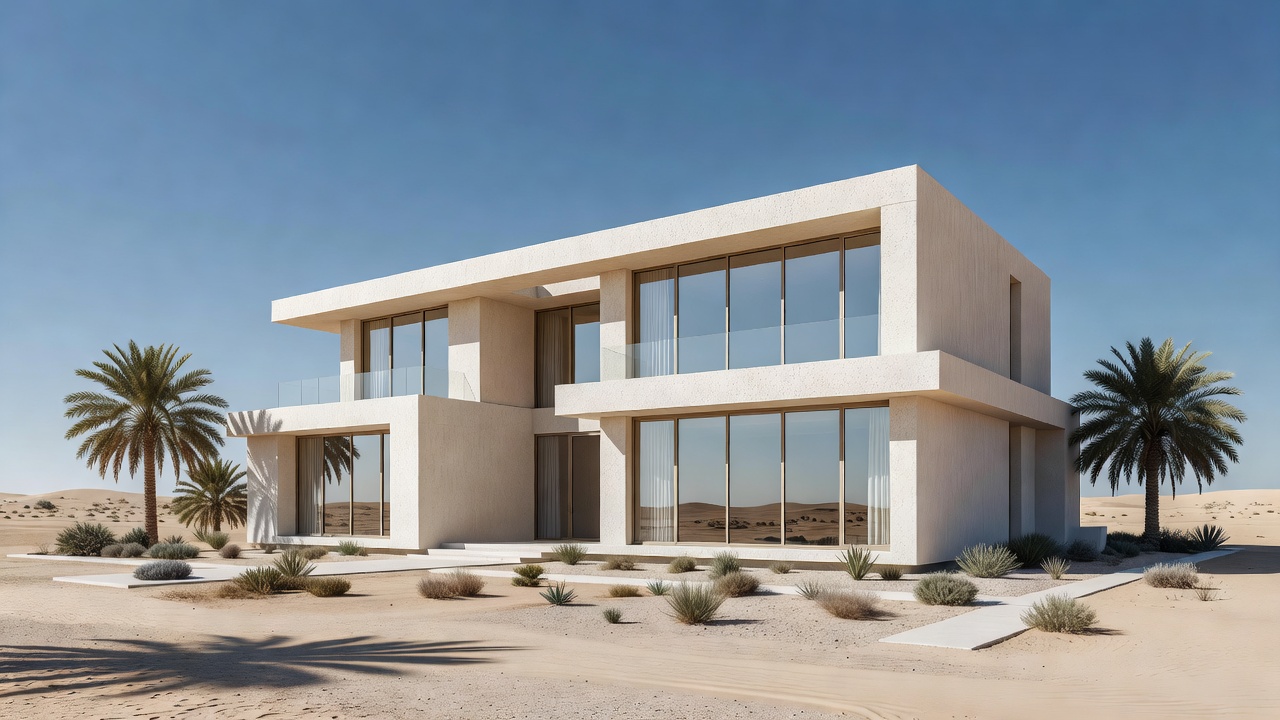

A TradeArabia report this week outlined how residential developers in the UAE are turning to high-performance homes to address rising demands for sustainability and long-term value as the global construction market expands rapidly. Deloitte’s Global Powers of Construction report projected the sector to grow from 11.39 trillion dollars in 2024 to 16.11 trillion dollars by 2030, placing pressure on builders to deliver properties that reduce energy consumption while improving occupant wellbeing. PlanRadar, a digital platform for construction project management, identified four core advantages that position these homes as the emerging standard, particularly in a climate where cooling needs dominate electricity loads. The approach integrates stronger building envelopes with advanced systems that maintain stable indoor conditions year-round.
Energy efficiency stands at the forefront of high-performance design according to the TradeArabia report citing PlanRadar CEO and co-founder Ibrahim Imam. Studies referenced in the report indicate that air conditioning can account for up to 80 percent of a building’s electricity demand in the UAE during peak summer months, a figure aligned with separate assessments from the International Energy Agency that place cooling at 60 to 70 percent of residential consumption in the Gulf. High-performance homes counter this through enhanced insulation, double or triple glazing with low-emissivity coatings, airtight façades and efficient HVAC setups that lessen reliance on mechanical cooling. These features not only cut operational costs but also align with broader regional efforts to curb carbon emissions from the built environment.
Long-term value for homeowners and investors emerges as a key differentiator in competitive UAE real estate markets, the TradeArabia report stated. Buyers increasingly evaluate properties based on future performance metrics including lower utility bills and reduced maintenance rather than initial aesthetics alone. Regulation reinforces this shift with Dubai’s Al Sa’fat Green Building System mandating Silver-level compliance for all new constructions while Abu Dhabi’s Estidama Pearl Rating System sets comparable sustainability thresholds across developments. An IMARC Group assessment placed the GCC buildings construction market at 146.66 billion dollars in 2025 with expectations to reach 246.77 billion dollars by 2034 at a compound annual growth rate of 5.95 percent, underscoring the commercial incentive for compliant high-performance projects.
Healthier indoor environments form another pillar of high-performance residential construction according to Imam’s remarks in the TradeArabia coverage. Dubai’s Law No. 5 of 2025 on public health explicitly incorporates indoor air quality standards, responding to risks from dust, mould and volatile organic compounds that can accumulate in sealed, air-conditioned spaces. Advanced ventilation systems including energy recovery ventilators, HEPA filtration and low-VOC materials help mitigate respiratory issues and allergies while moisture control prevents structural degradation. The report noted that such measures become especially relevant in the UAE where humidity and airborne particulates challenge conventional building practices.
Durability against extreme weather conditions further elevates high-performance homes in the regional context, the TradeArabia report explained. Intense heat, humidity and dust exposure in the UAE accelerate wear on standard materials, leading to frequent repairs that high-quality framing, continuous insulation, robust façades and moisture-resistant finishes can substantially reduce. Internal selections such as engineered flooring and durable finishes add resistance to daily use over decades. A PwC study on sustainable homes in Saudi Arabia and the UAE found that energy savings, environmental benefits and higher value appreciation motivate nearly half of buyers, with such properties often commanding price premiums in maturing markets.
Imam emphasised the evolving commercial reality in comments carried by TradeArabia. “Ultimately, high-performance homes are no longer only an environmental choice. In the UAE’s maturing residential market, they represent a commercial advantage,” he said. “As buyers become more selective and regulations continue to evolve, the strongest homes will be those that are healthy and built for long-term living,” Imam added. The observations align with a broader industry transition where construction technology platforms like PlanRadar support better quality control and documentation to deliver these outcomes consistently across projects.