

 ع
ع

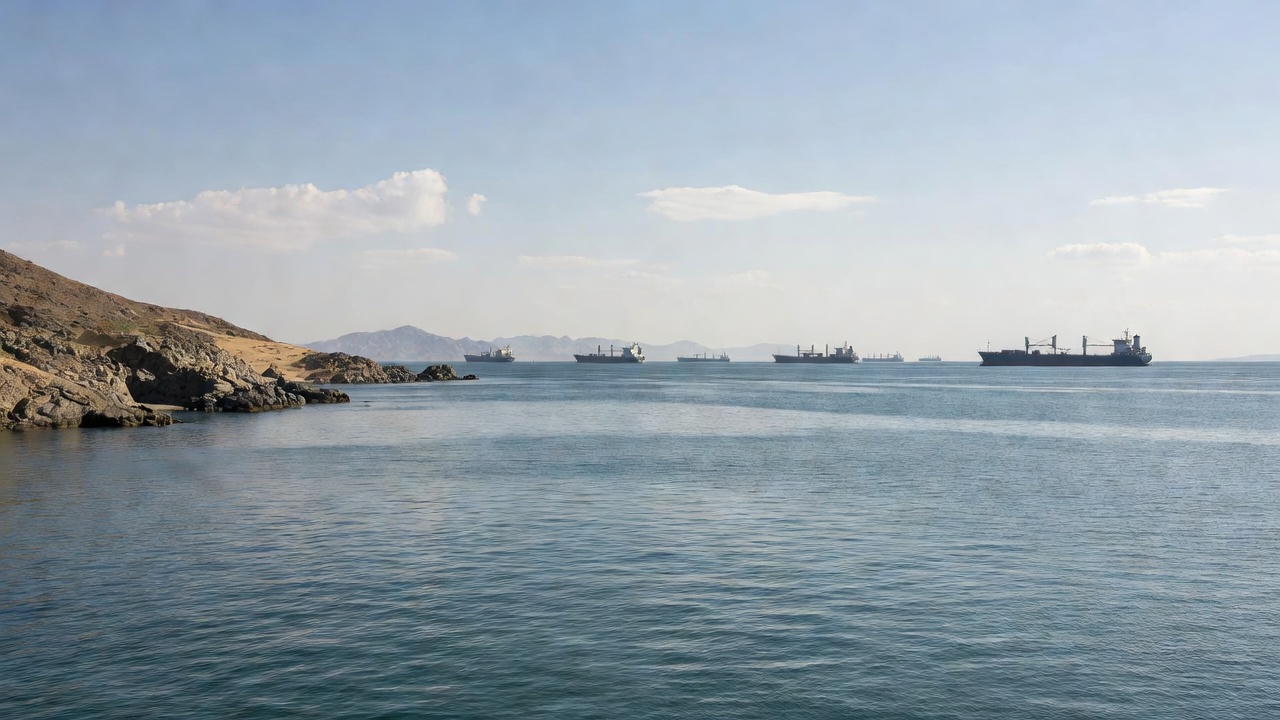

Oman’s Ministry of Foreign Affairs issued a statement condemning military strikes on targets in Bahrain and Kuwait in addition to attacks on commercial ships belonging to Saudi Arabia and Qatar in the Strait of Hormuz. The ministry expressed full solidarity with the sisterly states and rejected all actions that undermine the security and stability of the region. It described the incidents as a serious threat to maritime safety, international trade routes and global energy supplies, according to the statement published on its official website. The ministry renewed its categorical rejection of any measures that endanger vessels or destabilise the wider Gulf area.
The statement called for restraint, prioritising dialogue and diplomatic efforts to contain the escalation and enhance regional peace. Oman’s foreign ministry emphasised the need for all parties to implement relevant agreements and avoid further actions that could complicate the situation. It framed the response as part of Muscat’s consistent position in support of stability across the Gulf Cooperation Council states. The call comes amid heightened tensions that have drawn statements from multiple regional capitals.
Iran launched the strikes in retaliation for recent U.S. military actions against its facilities, Al Jazeera reported in its coverage of the ongoing conflict. The attacks included drone and missile strikes on sites in Bahrain and Kuwait, which host U.S. military personnel and bases, as well as projectiles that damaged tankers transiting the strategic waterway. Iran’s Revolutionary Guard claimed responsibility for targeting what it described as U.S.-linked installations, according to updates compiled by the news outlet. The developments have disrupted shipping patterns near Oman’s own coastline.
The Strait of Hormuz carries roughly one-fifth of global oil shipments, a volume that has made it particularly vulnerable to the current clashes, Reuters graphics on the Iran crisis noted. Attacks on Saudi and Qatari tankers have raised insurance costs for maritime traffic and contributed to a surge in oil prices that affected international markets. The UK Maritime Trade Operations centre confirmed one vessel was hit near Oman’s Limah area while attempting to exit the strait, with additional damage reported on another supertanker. Regional shipping firms have since adjusted routes to mitigate risks.
Oman has issued similar condemnations in recent weeks, including statements on June 27 and 28 that expressed solidarity with Bahrain and Kuwait following initial strikes, its foreign ministry website shows. The latest declaration builds on those positions while incorporating the vessel attacks that occurred this week. Muscat has also engaged in diplomatic talks with Iran and other parties regarding future management of the strait, stressing toll-free safe passage in earlier remarks by its foreign minister. These efforts position Oman as a potential mediator in the wider confrontation.
The Gulf Cooperation Council has collectively denounced the Iranian actions as violations that undermine peace initiatives, according to statements carried by multiple outlets including the BBC. Bahrain’s authorities described the drone incursions as a flagrant threat to its citizens and residents, while Kuwait lambasted what it termed repeated aggressions. European Union foreign policy chief Kaja Kallas labelled the strikes on ships near the strait as unacceptable and a risk to energy supply resumption, as reported in Al Jazeera live updates. The coordinated regional response highlights the broad impact across Gulf states.