

 ع
ع

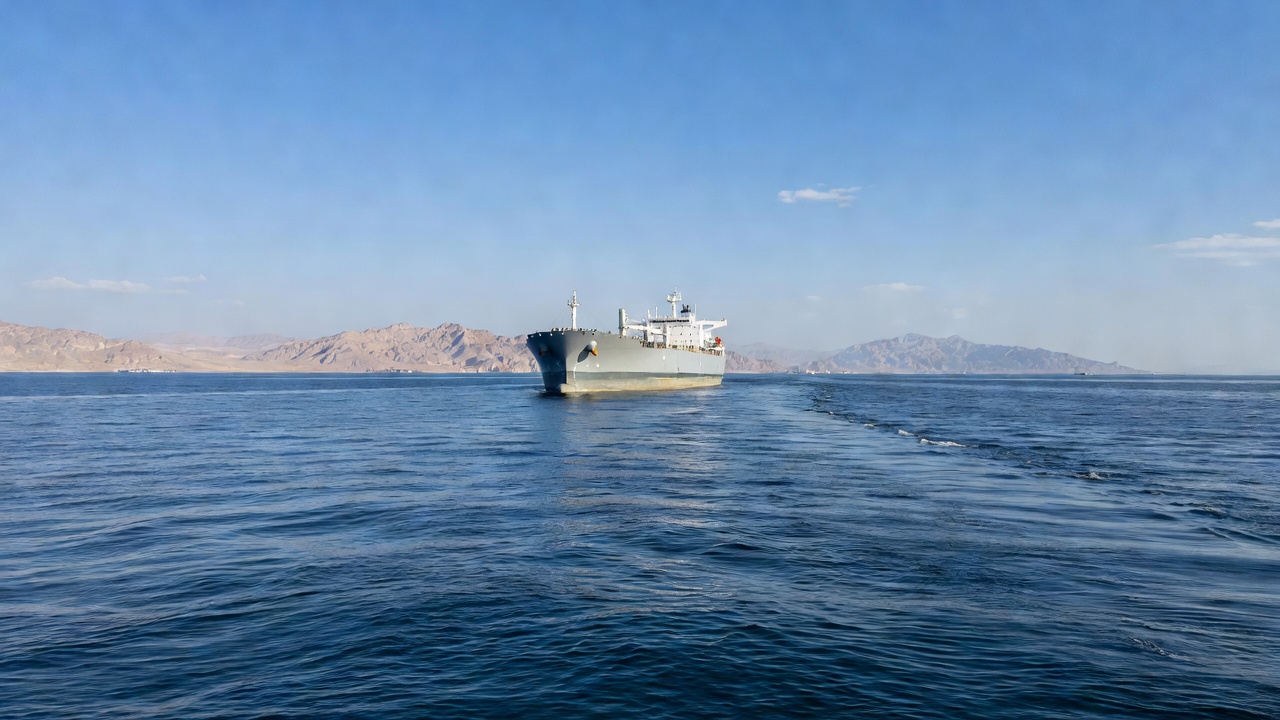

Bahri said in a statement that two Filipino seafarers died in a security incident involving its vessel SIDR as the tanker transited the Strait of Hormuz on August 31. “It is with profound sadness that Bahri confirms the loss of two of its Filipino seafarers as a result of the incident,” the company stated while extending condolences and sympathies to their families, loved ones and colleagues. The carrier confirmed it was providing support to those affected and emphasised that the safety and well-being of its people remained its highest priority. Bahri further noted its commitment to the highest standards of safety, security and environmental protection.
The company said in its announcement that it remained in continuous contact with the vessel and was coordinating closely with relevant authorities as well as maritime industry stakeholders while continuing to monitor developments. The statement followed a report from the United Kingdom Maritime Trade Operations agency on the day of the incident that a tanker had been struck by three unknown projectiles while outbound through the Strait of Hormuz. Bahri did not disclose further details about the event that occurred around 11:40 p.m. local time.
This incident adds to a series of security challenges encountered by Bahri vessels in Middle Eastern waters throughout 2026. A month earlier, the company’s Wedyan supertanker was hit near the strait while sailing close to Oman’s coast. Two other Bahri ships, AMZAN and MASA, were attacked in the Red Sea after Iran-backed Houthi forces declared a naval blockade against Saudi Arabia.
According to Reuters, Iran has threatened tankers attempting to transit the narrow waterway without authorisation amid ongoing regional conflicts that have intensified since February. The attacks have drawn international attention as the strategic chokepoint sees heavy commercial traffic. Maritime security agencies have recorded repeated incidents targeting vessels linked to several nations.
Data from the International Maritime Organization shows more than 70 verified attacks on ships in the area by late August, with at least 19 seafarers killed. The IMO’s list of highlighted incidents from March to August includes multiple fatalities and injuries across various vessels, many involving projectiles or drones. These figures reflect the elevated dangers facing crews navigating waters affected by geopolitical disputes.
The Strait of Hormuz carries about one-fifth of global oil and liquefied natural gas shipments, according to maritime industry assessments that underscore its role in world energy flows. Disruptions in the passage can quickly affect supply chains and fuel prices far beyond the region. Shipping firms continue to review routes and security protocols in response to the persistent threats.