

 ع
ع

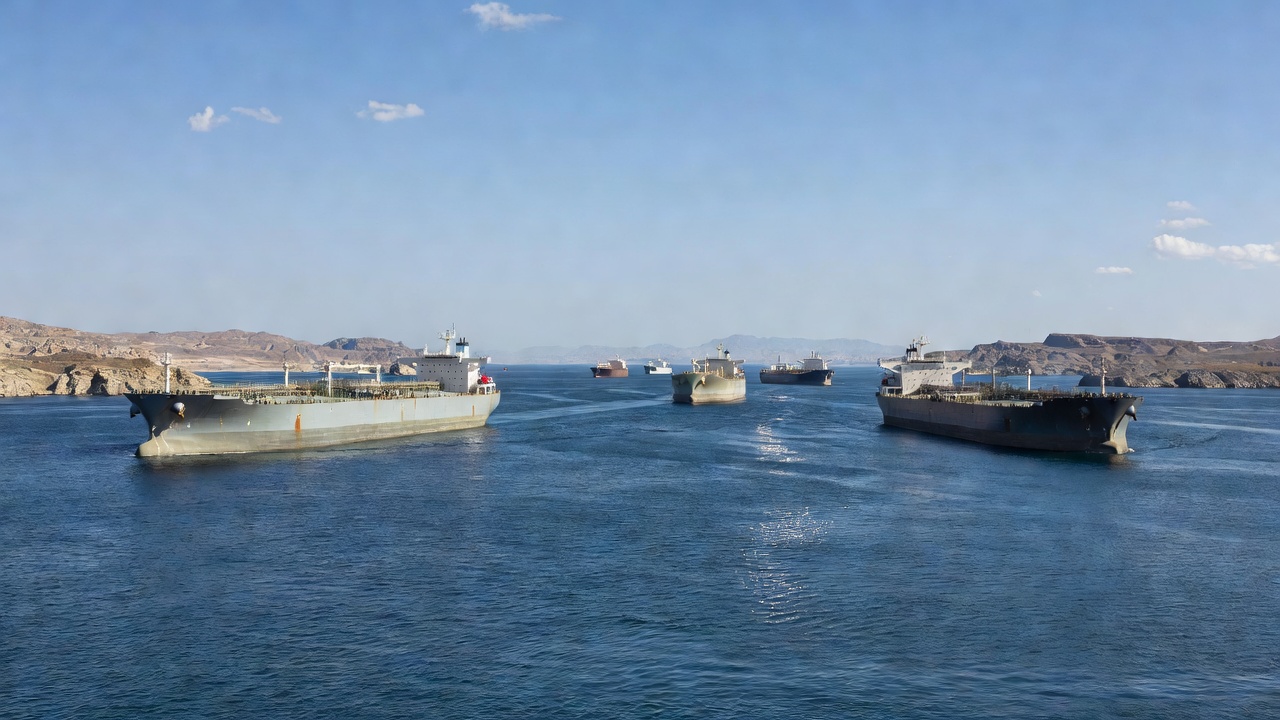

The Syrian Ministry of Foreign Affairs and Expatriates issued the statement through the Syrian Arab News Agency on Tuesday, expressing Damascus’s complete solidarity with Saudi Arabia and Qatar while rejecting any actions that threaten state security, sovereignty or vital interests. It warned that assaults on international maritime routes represent a grave danger to regional stability and called upon the international community to take decisive measures safeguarding global shipping lanes. The condemnation forms part of a broader wave of statements from Gulf states following the tanker incidents earlier that day.
Saudi Arabia’s foreign ministry attributed the strike on its tanker Wedyan to Iran and denounced the targeting as a clear breach of international norms that endangers energy security, according to its own announcement. Qatar’s authorities issued a parallel rebuke over the assault on the tanker Al-Rekayyat, with spokesperson Majed Al Ansari terming it an unacceptable attack on navigation and global supplies that places full legal responsibility on Tehran. Kuwait’s Ministry of Foreign Affairs similarly condemned the Iranian action in a press statement, describing it as a flagrant violation threatening maritime safety and worldwide energy stability.
US Central Command reported launching strikes on Iran in direct response to the tanker attacks in the Strait of Hormuz, according to related coverage carried by the Syrian Arab News Agency. The incidents occurred in one of the world’s most critical energy chokepoints, where the US Energy Information Administration data places daily oil transit volumes at roughly 21 million barrels, equivalent to about one-fifth of global petroleum liquids consumption. Such figures underscore the potential for rapid ripple effects across international energy markets should disruptions persist.
The United Arab Emirates, Egypt and Jordan each released statements condemning the attacks on the Saudi and Qatari vessels, aligning with the Syrian position that called for de-escalation and respect for maritime law. Syria’s Ministry of Foreign Affairs and Expatriates reiterated in its text that freedom of navigation must be upheld as a fundamental principle, warning that repeated violations could further destabilize an already tense region. The ministry’s communication arrived hours after the initial reports of the strikes, reflecting swift regional coordination on the matter.
Multiple Arab foreign ministries have now placed the incidents within the context of ongoing Gulf security concerns, with the Syrian statement emphasizing the need for collective international steps to shield vital waterways from future threats. The Strait of Hormuz handles a substantial share of seaborne energy trade, making any interference a matter of global economic significance according to longstanding assessments by energy authorities. Syrian officials framed their response as part of consistent opposition to actions that imperil commercial shipping and regional peace.