
 ع
ع

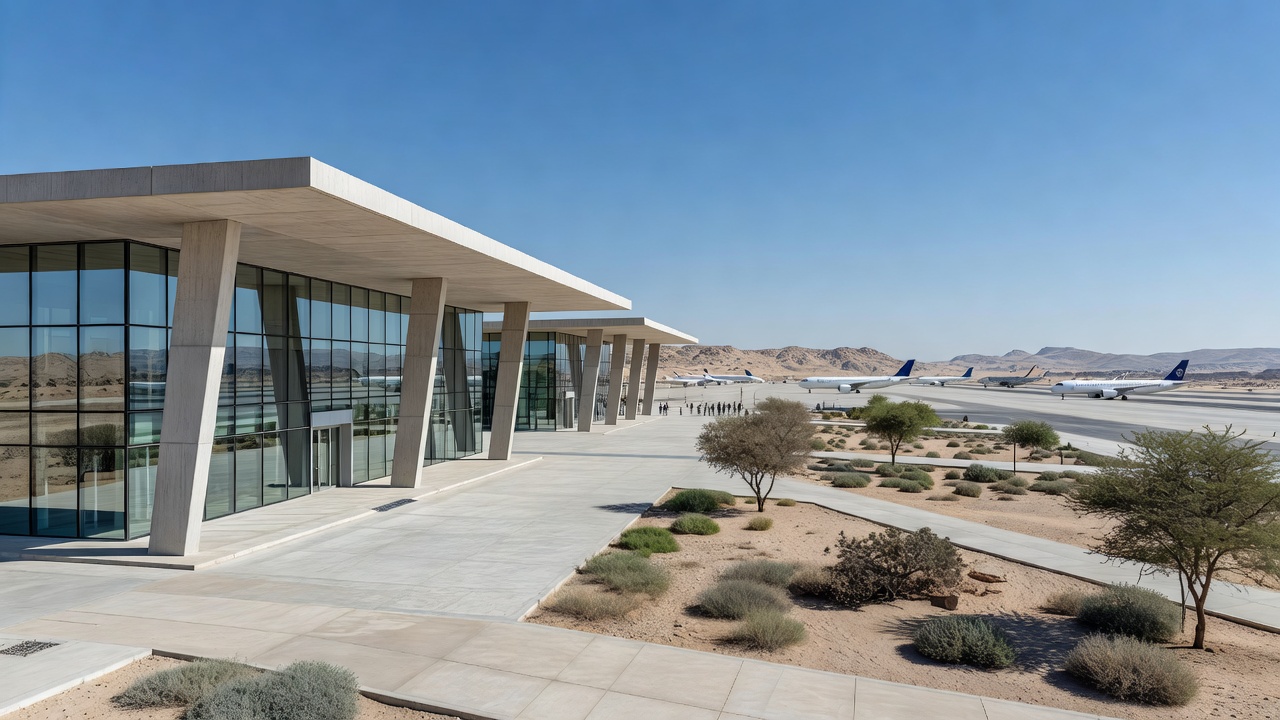

Cluster2 Airports achieved Level One Accessibility Enhancement Accreditation from the Airports Council International for 18 of its facilities, the Saudi Press Agency reported on June 29, 2026. The accreditation recognises the airports’ readiness to implement international standards that support passengers with disabilities and reduced mobility. A statement from the company noted that the certification assesses airports’ readiness to implement international accessibility standards and promote a more inclusive travel experience in line with global best practices. The 18 airports include Prince Naif bin Abdulaziz International in Qassim, King Abdullah bin Abdulaziz in Jazan, Prince Sultan bin Abdulaziz in Tabuk and Prince Abdulmohsin bin Abdulaziz in Yanbu along with Abha, Najran, Taif and others extending to Wadi Al-Dawasir.
The Airports Council International developed the Accessibility Enhancement Accreditation programme to help airports evaluate and strengthen their accessibility management. Participating facilities undergo assessments that identify gaps in infrastructure, services and policies before receiving certification at progressive levels. Cluster2 Airports said the accreditation reflects its ongoing work to embed accessibility into operations across its network, which serves both domestic and international routes.
Cluster2 Airports Company, established in 2022, manages and operates 22 airports throughout Saudi Arabia with a focus on elevating service quality at regional hubs, according to the company’s corporate profile. The group oversees a mix of domestic and international facilities that connect smaller cities to the national aviation system. This latest certification for 18 sites forms part of broader upgrades designed to align with national development priorities.
Saudi Arabia’s national aviation programme aims to increase annual passenger throughput to 330 million by 2030, the General Authority of Civil Aviation has stated in its strategy documents. Current figures show the sector handled approximately 128 million passengers in 2024, including significant domestic and international traffic, according to industry compilations. The push includes infrastructure improvements at regional airports to support rising tourism and business travel under Vision 2030.
Several other Saudi airports have secured similar ACI recognition in recent years, with King Fahd International Airport in Dammam obtaining Level One status in October 2025, TradeArabia reported at the time. Abu Dhabi’s Zayed International Airport advanced to Level Two accreditation in 2025 after earning Level One the previous year, demonstrating a regional trend toward higher accessibility standards. The programme offers tailored recommendations that allow airports to build maturity in areas ranging from physical access to staff training and digital services.
Cluster2 Airports has integrated the accreditation requirements into its policies, the statement indicated, with implementation covering physical modifications, procedural adjustments and passenger assistance protocols. The effort supports Saudi Arabia’s goal of positioning itself as a global aviation hub while ensuring equitable access for all travellers. Officials noted that the certification applies specifically to the listed regional airports within the Cluster2 portfolio.