 ع
ع
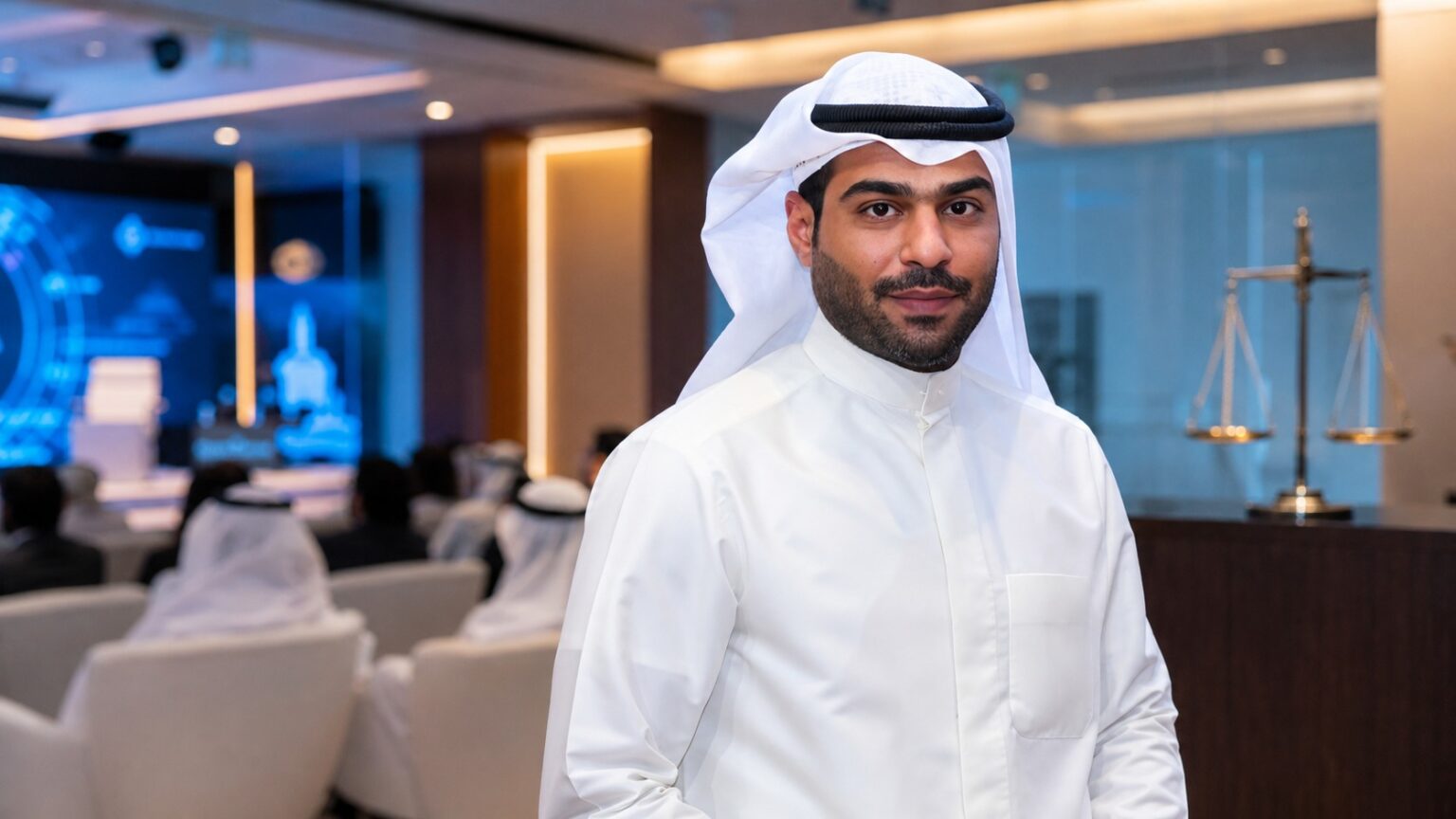

Khaled Al Rashed, founder and chief executive of Oqood AI, will appear as a panelist at the Kuwait Corporate Legal Summit 2026 on 21 and 22 October at the Jumeirah Messilah Beach Hotel, speaking on the session “Legal AI in Action: How AI is Reshaping Legal Workflows.”
The timing places him at the centre of a market moving quickly. The GCC legal-technology sector is now valued at roughly $1.2 billion, with legal-tech adoption across the region rising around 15% a year as firms confront a 22% rise in case volumes. Automation tools can cut document-review times by as much as half, and an estimated 42% of regional firms are now investing in AI solutions for better data handling. The pressure is partly financial: average lawyer hourly rates in the GCC have been climbing at double-digit rates, pushing firms toward tools that let them handle more work without expanding headcount.
Oqood AI is the first Arabic AI-powered legal platform in the Gulf, built for legal work that runs across Arabic and English and within the region’s civil-code systems. That focus speaks to a structural feature of the regional market that global tools have been slow to address.
“The Gulf runs on Arabic and on civil-code systems,” Al Rashed has said of the gap his company was built to close. “Every contract, every pleading, every regulatory filing can move between Arabic and English without warning. A tool that can’t navigate that architecture isn’t just incomplete. It becomes a liability in front of a client.”
He comes to the panel as a practitioner rather than an outsider. With more than fifteen years in the profession, he previously founded and exited Taqneen Law Firm and has advised leading institutions including Saudi Development Bank and Qatar Development Bank. A certified legal designer and a regular speaker at international conferences on legal technology, he founded Oqood after concluding that the tools serving Gulf legal practice had been designed for other markets.
His framing of the choice facing the region’s firms is less about features than fit. “You can have the most sophisticated tool in the world,” he has said, “but if it doesn’t understand the legal system you actually practice in, and the languages you actually work in, it’s solving someone else’s problem, not yours.”
That argument lands directly on the summit’s theme of future-ready legal departments leading with innovation and strategic impact. With data privacy and security consistently ranking among the top barriers to AI adoption in the region, and with the Gulf’s data-sovereignty rules treating where legal data resides as a matter of policy, the question of which tools the region’s general counsel and managing partners can trust is no longer abstract. It is the conversation the summit is convened to have, and Oqood’s place on the programme reflects how central the Arabic-legal-AI question has become to it.
The Kuwait Corporate Legal Summit 2026 takes place on 21 and 22 October. Details and registration are available at https://www.legalsummitkw.com/