
 ع
ع

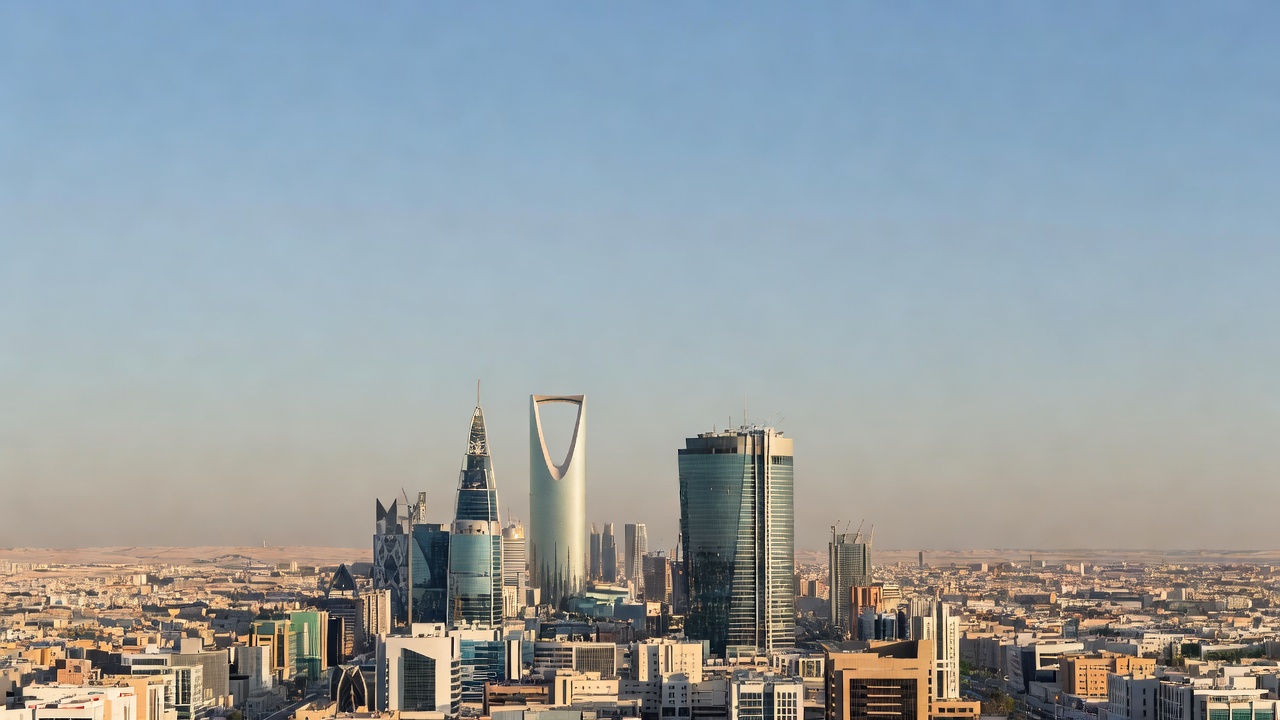

Saudi Arabian authorities activated the early warning system for Riyadh at 4 a.m. and again at 6 a.m. local time on September 19, 2026, according to a Bloomberg report on the incidents. The Saudi civil defence followed both alerts with confirmation that the danger had lifted shortly afterward, a Reuters dispatch from the capital detailed. Similar warnings extended to the Red Sea cities of Jeddah and Yanbu plus Farasan Island along with Al-Kharj, Taif, Khamis Mushait, Abha, Jazan and AlUla, Al Arabiya English reported. Residents received the notifications directly through the National Early Warning Platform on their mobile devices.
The alerts represented the first issued for the Saudi capital since the height of the US-Iran war in March and April 2026, Bloomberg figures show. During the active periods civil defence instructed people to remain calm, stay indoors in interior rooms away from windows and balconies and avoid open spaces or gathering in crowds, a Roya News summary of the authority’s guidance stated. The authority also urged the public not to film or photograph any emergency operations in the affected zones.
Journalists from Reuters and AFP reported hearing explosions and booms in Riyadh, likely from interceptions, as the BBC noted in its coverage. A Reuters correspondent described two distinct booms in the Olaya district while the civil defence issued its second all-clear for both Riyadh and nearby Al-Kharj, according to the wire service. The warnings arrived hours after Houthi military spokesmen signaled further retaliation against Saudi targets.
The Iran-backed Houthis intensified operations against Saudi Arabia after declaring a maritime embargo in July 2026, a BBC assessment found. The group seized the strategic port city of Mokha and Perim Island in recent weeks, giving it control over key shipping routes in the Bab al-Mandab Strait that Saudi Arabia uses for oil exports to Asia and Europe, according to the same BBC report. Houthi military spokesman Yahya Sarea stated the naval blockade responded to what the group described as a Saudi blockade of ports and airports in Houthi-controlled areas of northwestern Yemen.
Earlier in the week Sarea said the Houthis had fired drones and missiles at Saudi territory in retaliation for more than 450 Saudi air strikes on their positions over the previous seven days, the BBC reported. The United Nations Security Council convened an emergency session on Tuesday where both the Yemeni government and Saudi Arabia pressed for stronger measures against the Houthis, whom they accused of using the strait to exert economic pressure, according to Reuters coverage of the meeting. The council condemned Houthi attacks on Saudi civilian areas and energy facilities that injured women and children.
Saudi Arabia faced renewed strikes throughout September with the Houthis targeting western towns and energy sites, a Business Times compilation of government statements indicated. The Saudi government attributed the shutdown of the vital East-West pipeline last week to a drone attack launched from Iraq where several pro-Tehran militias operate, according to Bloomberg. Those incidents together with Iran’s effective closure of the Strait of Hormuz have driven Saudi oil exports sharply lower, Livemint reported citing Saudi energy officials.