
 ع
ع

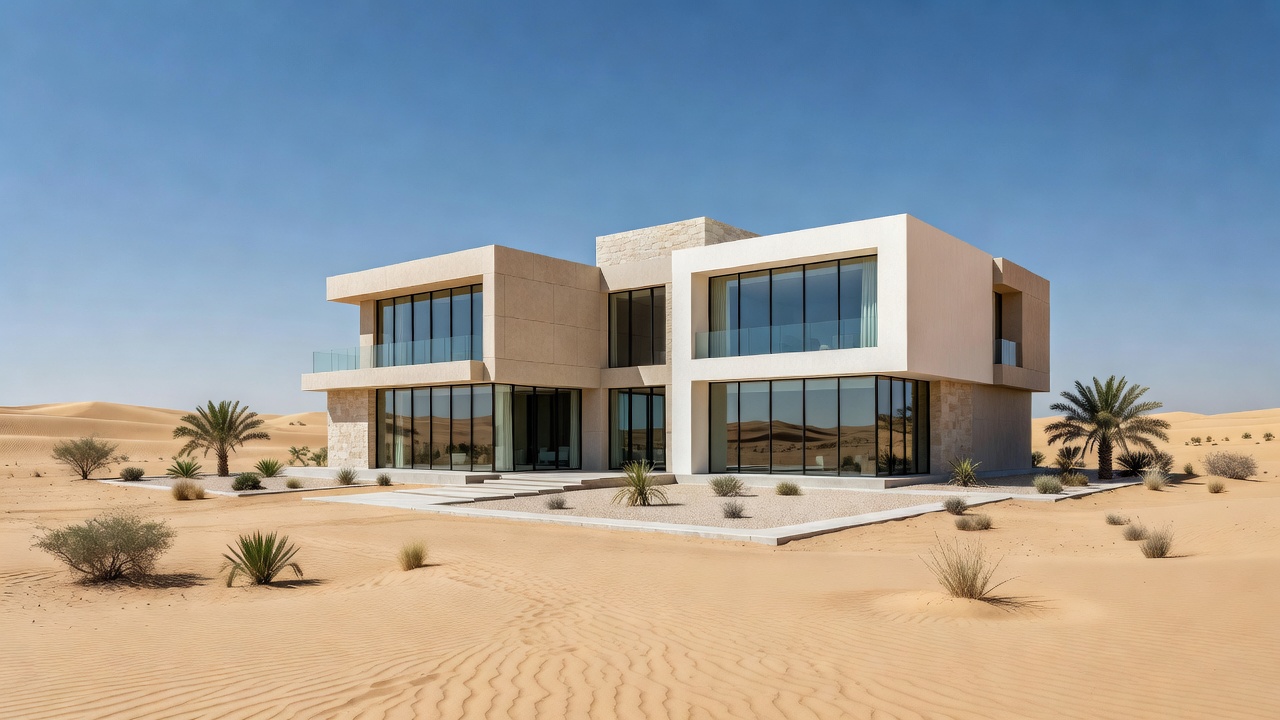

According to a TradeArabia report, the global construction market is set to expand from 11.39 trillion dollars in 2024 to 16.11 trillion dollars by 2030, according to Deloitte’s Global Powers of Construction report, placing pressure on residential developers to deliver sustainable and efficient properties. PlanRadar, a digital platform for construction and real estate project management, detailed four reasons why high-performance homes are becoming standard practice. These homes emphasize reduced energy consumption, enhanced durability, superior indoor comfort and overall sustainability, factors that carry particular weight in the UAE where extreme climate conditions shape design priorities.
Ibrahim Imam, CEO and co-founder of PlanRadar, identified improved energy efficiency as a core advantage in the report. Studies referenced in the article indicate that air conditioning can account for up to 80 percent of a building’s electricity demand in the UAE, especially during peak summer months. High-performance designs incorporate stronger building envelopes, advanced insulation, double or triple glazing with low-emissivity coatings and tightly sealed facades to maintain stable indoor temperatures. Such measures reduce strain on HVAC systems and contribute to lower operational costs over the property lifecycle.
The TradeArabia article noted that high-performance homes built with superior materials and systems offer stronger long-term value in the competitive UAE real estate sector. Buyers and investors are shifting focus toward post-completion performance metrics including energy bills, indoor environmental quality and sustainability credentials. Regulatory initiatives are reinforcing this shift, with Dubai’s Al Sa’fat Green Building System imposing mandatory requirements for new structures to achieve at least Silver certification and Abu Dhabi’s Estidama Pearl Rating System establishing benchmarks across that emirate.
Indoor air quality has gained regulatory attention under Dubai Law No. 5 of 2025, which addresses it as part of broader public health standards, the report stated. High-performance homes mitigate risks of respiratory issues, allergies and related conditions through improved ventilation strategies, advanced filtration systems, effective moisture control and selection of low-VOC materials. Technologies such as energy recovery ventilators introduce fresh air while HEPA filters capture dust and contaminants prevalent in the region, and careful humidity management prevents mould growth that could compromise both health and structural integrity.
Durability emerges as the fourth pillar according to the TradeArabia coverage of PlanRadar’s assessment. In the UAE’s harsh environment of intense heat, humidity and dust, appropriate material selection and installation practices minimize future repair needs and associated costs for both residents and developers. External features including continuous insulation, robust facade systems, moisture-resistant finishes and high-quality roofing combine with resilient internal finishes such as engineered flooring to extend service life. PlanRadar’s analysis indicates that such homes typically deliver 15 percent higher occupant satisfaction rates compared with traditional constructions.
In the article Imam stated, “Ultimately, high-performance homes are no longer only an environmental choice. In the UAE’s maturing residential market, they represent a commercial advantage.” He added, “As buyers become more selective and regulations continue to evolve, the strongest homes will be those that are healthy and built for long-term living.” The coverage aligns with separate industry projections from GlobalData that forecast global construction output growth of 1.5 percent in 2026 following a period of adjustment to material costs and supply chain factors.