
 ع
ع

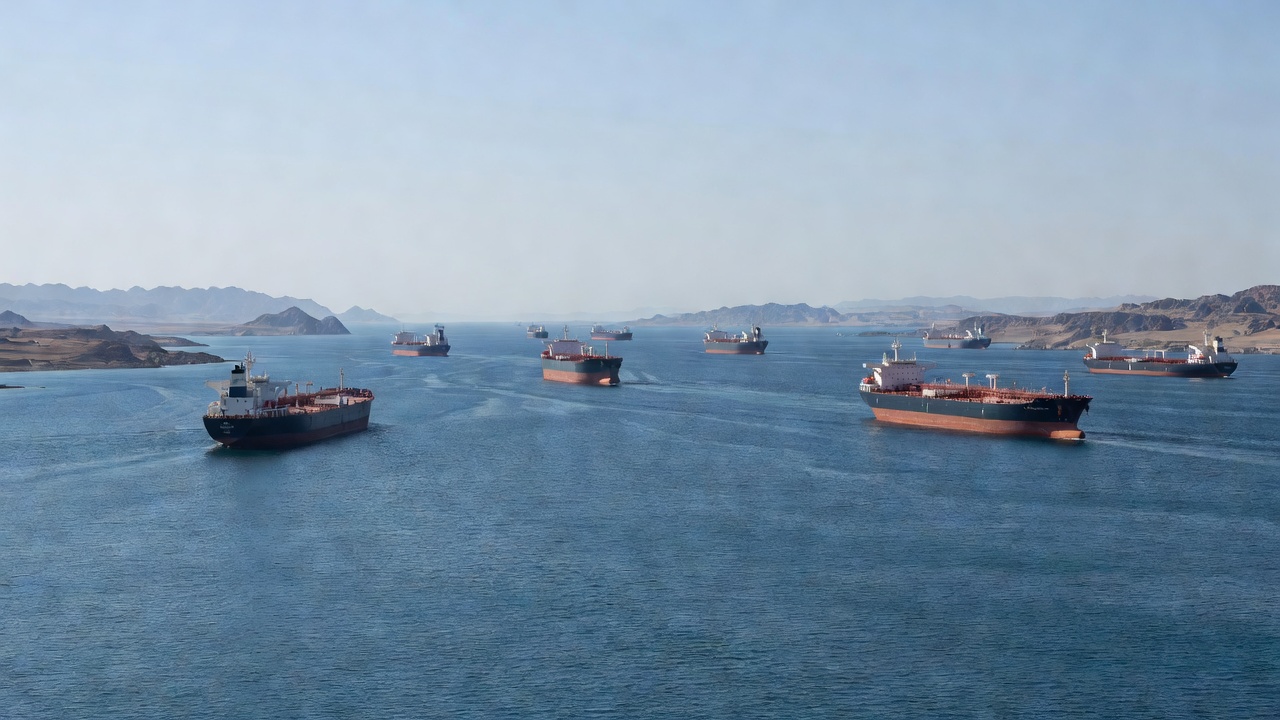

Omani Foreign Minister Badr Al Busaidi and his Egyptian counterpart Badr Abdelatty discussed regional developments during a telephone call on June 27, 2026, Qatar News Agency reported. The ministers examined diplomatic initiatives to contain tensions, promote renewed dialogue and ensure the security of key maritime passages including the Strait of Hormuz, where uninterrupted trade is critical.
Qatar News Agency reported that the two officials reviewed ways to foster conditions for broader political understanding among regional parties. They addressed mutual interests such as safeguarding maritime routes and facilitating the free movement of commercial and energy shipments through the Strait of Hormuz and other vital sea lanes. The ministers underscored the need for ongoing collaboration between Oman and Egypt in support of peaceful political approaches that could reinforce security and stability across the area. The conversation reflected longstanding diplomatic ties between the two countries on matters of shared concern.
US Energy Information Administration data places the average daily oil flow through the Strait of Hormuz at 20.9 million barrels in the first half of 2025. The figure corresponds to roughly one-fifth of worldwide petroleum liquids use, an EIA assessment found. Such volumes underscore the strait’s role as a primary conduit for global energy trade. Previous EIA reports have shown that disruptions in the passage can produce swift effects on energy prices and supply chains worldwide.
A Congressional Research Service report from March 2026 outlined how Iranian forces declared the strait closed on March 4 that year. The document stated that the move led to threats and attacks on multiple vessels transiting the area. US Secretary of State Marco Rubio affirmed opposition to any restrictions or fees during a tour of Gulf states, according to Gulf Times. The report indicated that Rubio’s stance aligned with international principles governing the waterway.
“It’s an international waterway. No country is allowed to charge tolls or fees on an international waterway,” Rubio said in remarks carried by Gulf Times. He expressed belief that regional countries would concur with this position. Gulf Times noted that maritime traffic has recovered to approximately 40 percent of pre-crisis levels following a preliminary agreement between the US and Iran. The publication added that the UN’s International Maritime Organization is involved in efforts to evacuate stranded seafarers with cooperation from relevant parties.
Oman announced a temporary maritime corridor for vessels in the strait earlier in the week, a separate Gulf Times report stated. The Gulf Times said on June 24 that Oman coordinated the corridor with the International Maritime Organization, requiring vessels to adhere to announced coordinates from the IMO and Omani authorities. The measure seeks to ensure freedom of navigation consistent with international law and the law of the sea, which bar the imposition of transit fees. Officials indicated the corridor supports safer passage for commercial shipping amid lingering effects from earlier disruptions.
Egypt and Oman have coordinated on regional security questions in the past, including during a January 2025 meeting covered by Asharq Al-Awsat. That publication reported that discussions then centered on Red Sea tensions and their impact on Suez Canal revenues, which declined from $9.4 billion in 2022-2023 to $7.2 billion in 2023-2024. The latest telephone call continues this pattern of engagement as both governments address the consequences of the 2026 events. Qatar News Agency said the ministers agreed on the importance of joint efforts to advance peaceful outcomes.