
 ع
ع

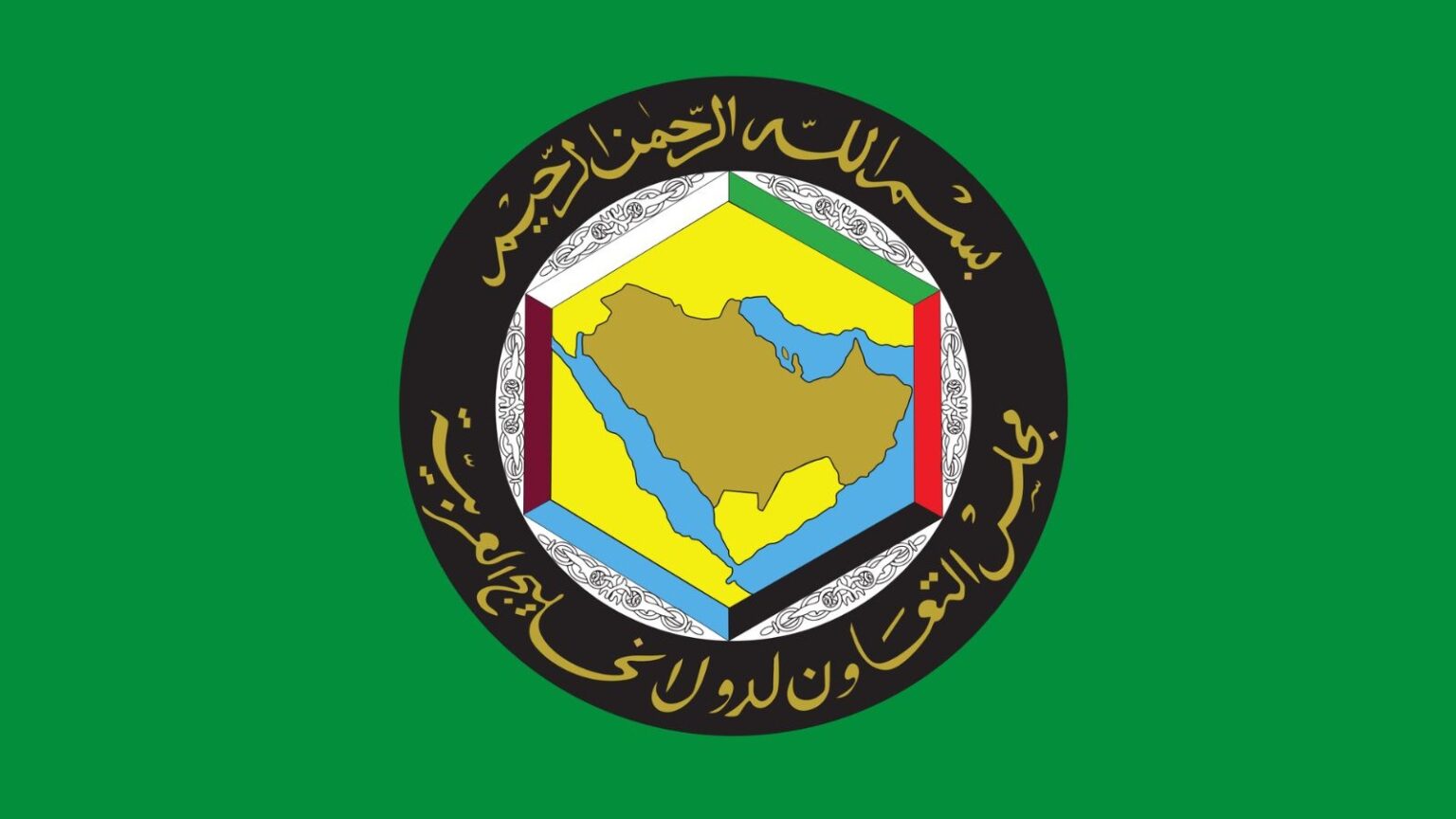

Qatar participated in the GCC foreign ministers’ coordination meeting in Amman on June 22, 2026, to discuss regional developments, de-escalation efforts and a recently signed US-Iran memorandum of understanding, the Ministry of Foreign Affairs said. Represented by Minister of State for Foreign Affairs Sultan bin Saad Al Muraikhi, the country also joined the resumed 165th session of the Arab League Council of Ministers in the Jordanian capital, according to local reports.
The meeting reviewed international and regional initiatives aimed at enhancing security and stability in the region, a GCC Secretariat statement indicated. GCC Secretary-General Jasem Mohamed Albudaiwi said the participants welcomed the MoU between the United States and Iran and expressed hope it would lead to a final comprehensive agreement that bolsters security both regionally and globally. The secretary-general added that the discussions fall within the framework of integration among GCC states and the preservation of the council’s accomplishments.
Qatar’s involvement underscores its longstanding role in regional diplomacy, with the foreign ministry regularly updating on such engagements via its official channels. The Amman gathering allowed for alignment ahead of broader Arab League discussions on shared priorities. Similar coordination meetings have preceded Arab summits in the past, enabling the GCC to present a cohesive stance on Middle East issues, according to GCC records.
The Peninsula Qatar reported that Muraikhi handled representation for both the GCC coordination and the Arab League session. The dual role illustrates the overlap in agendas between the two organizations on matters of de-escalation and stability. No further details on specific outcomes from the Qatar side were released in the ministry’s announcement.
The GCC, which comprises Bahrain, Kuwait, Oman, Qatar, Saudi Arabia and the United Arab Emirates, uses these ministerial coordination sessions to synchronize policies on pressing regional files, according to the GCC Secretariat. Data from the GCC Secretariat show that the 167th ministerial meeting took place in early June, setting the stage for this follow-up review. The bloc has historically prioritized collective security arrangements since its founding in 1981.
In his statement, the GCC secretary-general highlighted the importance of de-escalation amid current tensions. He noted that supporting mediation aligns with the group’s objectives for peace and stability. The meeting concluded without immediate public decisions but reinforced ongoing collaborative efforts, the statement said.