
 ع
ع

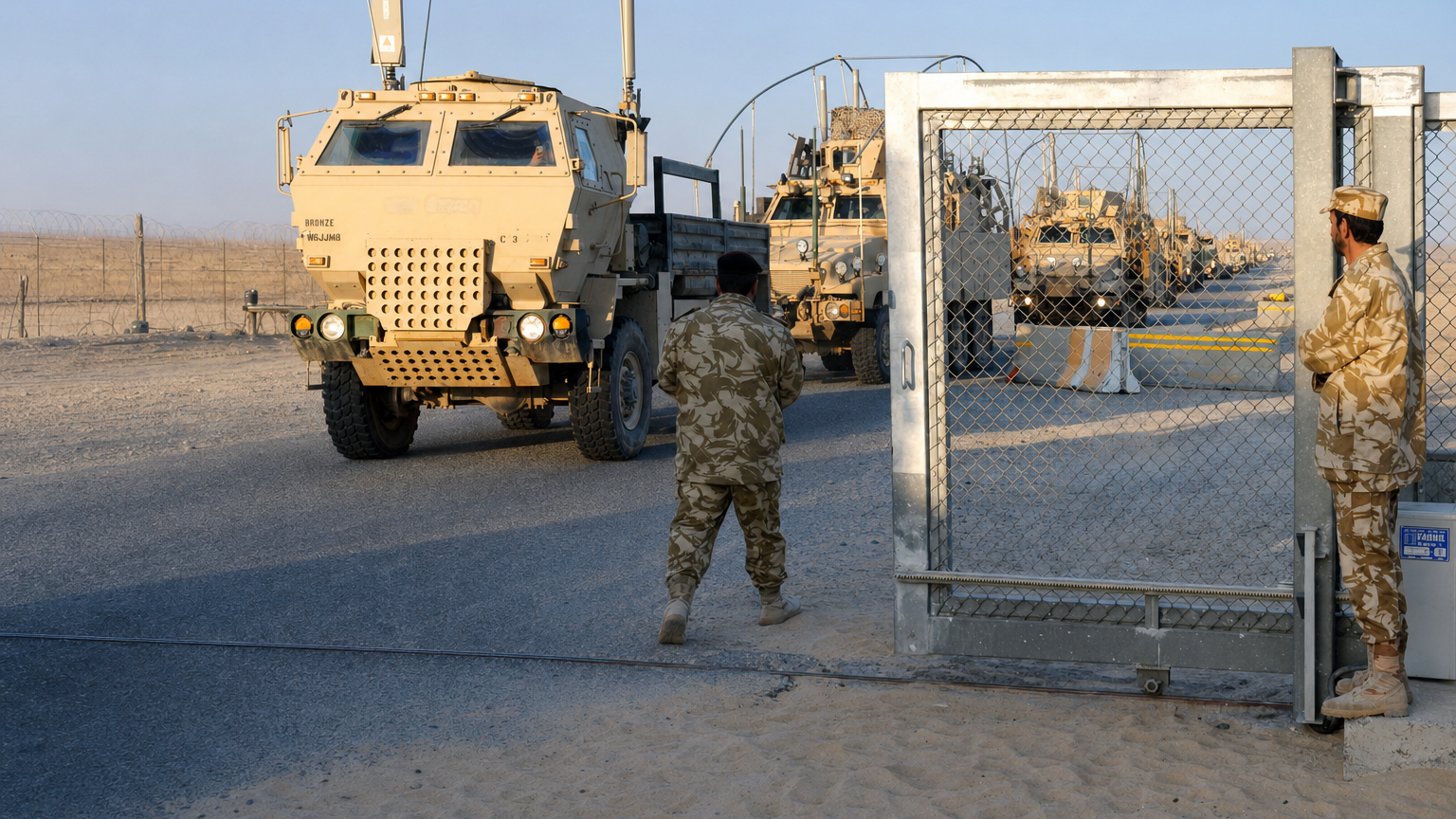

US forces completed their exit from Iraq on September 30 completing the pullout from remaining bases that had housed a shrinking contingent of troops Reuters reported on September 29. The departure marks the end of more than two decades of American military involvement in the country where around 4 500 US service members died during the conflict that started with the 2003 invasion and included a return of forces in 2014 to combat Islamic State. Iraqi security officials told Reuters that the withdrawal agreed in 2024 under then President Joe Biden and executed during President Donald Trump’s administration could allow Tehran and its allies greater freedom of action even as Washington continues its confrontation with Iran.
The US presence had dwindled to fewer than 200 troops by July according to military publications cited in regional coverage with the last American soldier killed in Iraq that same month. Iraqi security experts assessed that the move removes a longstanding counterweight to Iranian activity in the country where Tehran has built extensive political economic and security ties since the fall of Saddam Hussein. A security vacuum could also enable Islamic State to regain strength in areas where coalition support had helped contain the group Reuters noted drawing on local analysts.
Iran and its aligned armed groups celebrated the withdrawal as a strategic victory Reuters reported. Jasim al-Bahadli an Iraqi security analyst who focuses on Shi’ite armed factions aligned with Iran said in remarks carried by the agency that Iran stands to benefit strategically from the coalition’s departure because it removes a military presence that for years acted as a counterweight to Tehran’s influence in Iraq. Al-Bahadli predicted that pro-Iranian militia groups would portray the event as a triumph and seek to increase their sway over security and political decisions in Baghdad.
The Atlantic Council outlined in a September analysis that the formal conclusion of Operation Inherent Resolve on September 30 closes a chapter of US military engagement that followed the 2003 toppling of Saddam Hussein and the 2014 redeployment against Islamic State. Experts contributing to the council’s assessment noted that while the withdrawal fulfills Iraqi demands for sovereignty it raises questions about the residual threat from Islamic State and the balance of power among domestic factions. Iraqi Prime Minister Ali al-Zaidi who took office in May has set the date as fixed and final for the end of the coalition mission according to multiple regional reports.
The Soufan Center reported on September 28 that the pullout reorients US-Iraq ties away from direct security cooperation toward broader geopolitical issues while leaving Iraq’s Kurdish region potentially more exposed to pressures from multiple actors including Iran and Turkey. Iraqi authorities have delayed aspects of a program to disarm Iran-aligned Shia militias citing risks of domestic unrest among communities that view those groups as protectors the center stated. Success in integrating or neutralising those militias will test Baghdad’s ability to assert independent policy after years of balancing external influences.
A Washington Institute assessment published days before the withdrawal highlighted that while Tehran has faced setbacks in other areas such as Lebanon and Syria its proxies retain significant strength in Iraq and a full US exit could embolden further consolidation of that influence. The institute noted that Iraqi leaders must now navigate relations with Washington without appearing overly aligned with either side in the wider US-Iran rivalry. Iraqi officials have emphasised that the end of the coalition presence affirms national sovereignty without severing all security coordination channels.