
 ع
ع

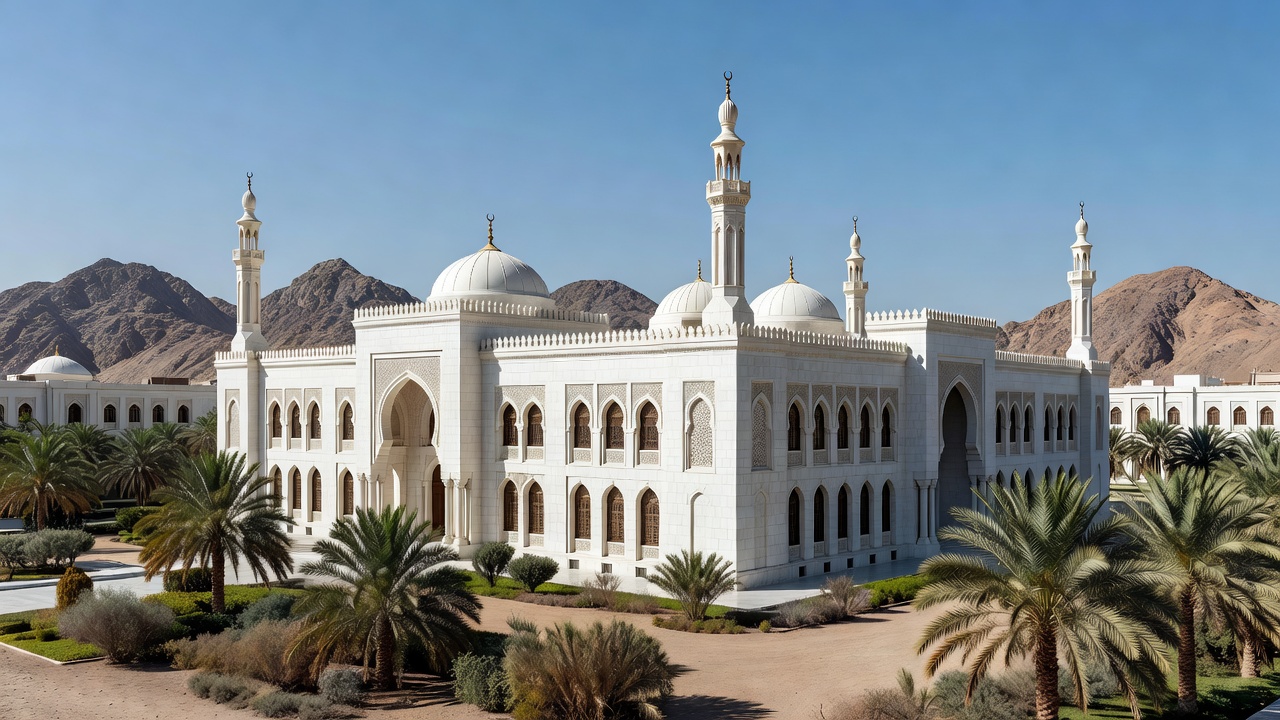

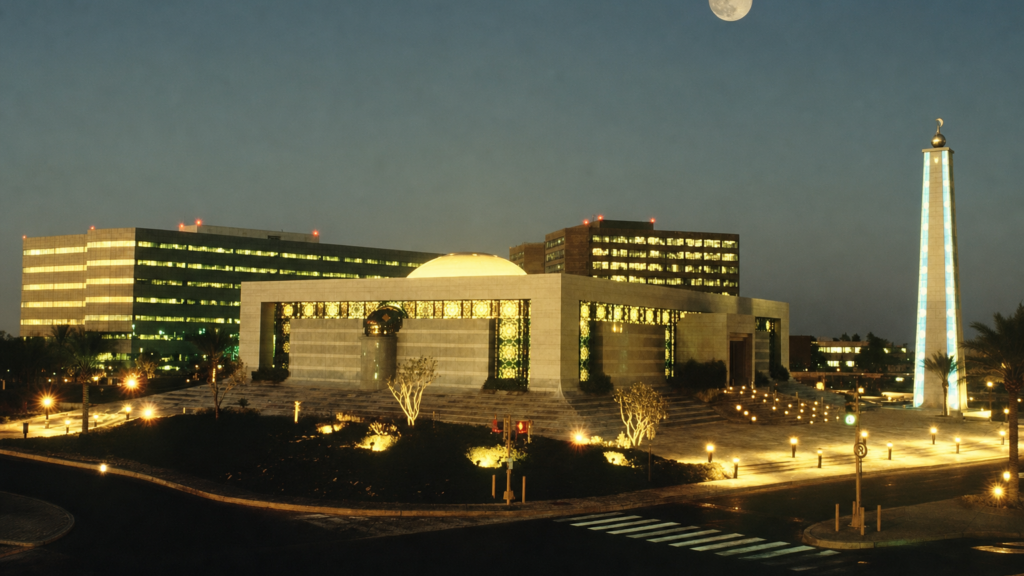
The Makkah Joint Defence Agreement was signed at Al-Safa Palace by Saudi Crown Prince Mohammed bin Salman Turkish President Recep Tayyip Erdogan and Pakistani Prime Minister Shehbaz Sharif following an invitation from King Salman bin Abdulaziz Al Saud. The pact builds upon the Saudi-Pakistan Strategic Mutual Defence Agreement of 2025 while expanding cooperation into military readiness training intelligence sharing logistics counterterrorism and defence industry collaboration. In their joint statement the three leaders reviewed longstanding historical ties based on Islamic solidarity and shared strategic interests stressing the agreement’s aim to strengthen collective security and promote peace across the region.
Negotiations toward the trilateral arrangement began shortly after the October 7 2023 Hamas attack on Israel and gained momentum amid the ensuing Gaza conflict and tensions with Iran according to an Al Jazeera assessment of the pact’s background. The three countries’ foreign ministers met in Riyadh during an Islamic summit in March 2026 to outline the security framework with the deal also incorporating elements of existing bilateral defence ties between Türkiye and Pakistan. Officials from all three signatories have described the agreement as defensive in nature and have rejected claims that it targets any specific state or seeks to create a sectarian alignment.
The Stockholm International Peace Research Institute estimated Pakistan’s nuclear stockpile at approximately 170 warheads as of January 2026 noting that the country remains the only nuclear-armed participant in the new grouping while it continues to develop delivery systems. Saudi Arabia anchors the pact with substantial financial resources and defence spending estimated near $88 billion annually alongside its strategic geography that includes key energy infrastructure and the Islamic holy cities. Türkiye contributes advanced defence-industrial capacity including production of unmanned aircraft missiles and naval platforms as well as experience from its NATO membership.
Open-source military assessments place the combined active personnel of the three armed forces at roughly 1.27 million with approximately 5,800 main battle tanks between 1,000 and 1,150 combat aircraft and a total land area spanning about 3.7 million square kilometres. These figures drawn from compilations that include data from the International Institute for Strategic Studies and SIPRI reflect complementary strengths across manpower financial procurement and industrial expertise though exact munitions stocks and logistics details have not been disclosed. The aggregate capabilities are viewed as offering significant deterrent value even if full integration into a NATO-style command remains a longer-term prospect.
The agreement stops short of mandating automatic military responses instead prioritising gradual development of interoperability through joint exercises common procedures and co-production initiatives according to analysts tracking the pact. Saudi financing paired with Turkish manufacturing and Pakistani operational experience could support shared projects over time yet wide geographic separation and differing external alliances present practical obstacles to rapid collective action. A joint statement after the summit emphasised the signatories’ commitment to fostering stability beyond their borders while pursuing a secure and prosperous future for the region.
Reporting from multiple outlets including The New York Times has framed the pact as potentially reshaping Middle East strategic dynamics by allowing Saudi Arabia to diversify partnerships amid questions over traditional reliance on the United States. The timing aligns with broader regional shifts following years of fluctuating tensions and the pact’s immediate emphasis lies in signalling and industrial cooperation rather than immediate operational fusion. Further details on implementation are expected to emerge as the three nations move to translate the political accord into concrete programmes.