
 ع
ع

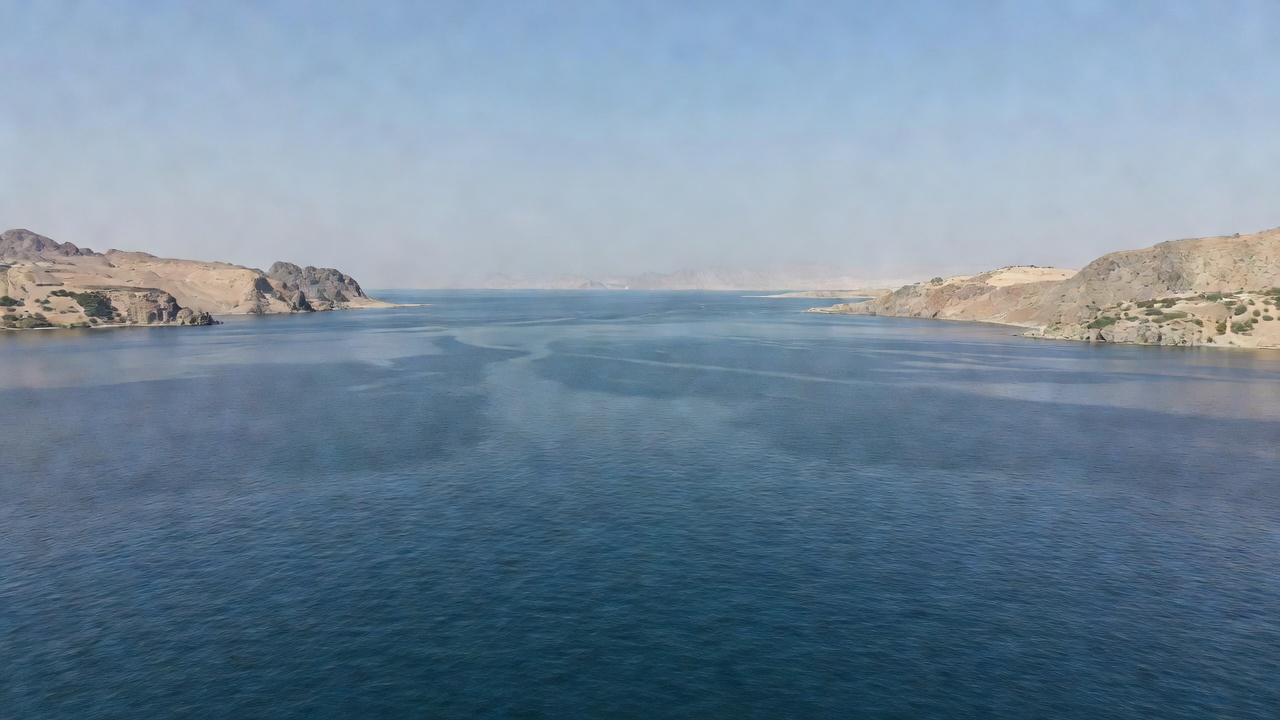

Agence France-Presse reported that Pezeshkian framed the conflict as a stalemate in which Iran has partially closed the Strait of Hormuz while the US maintains a naval counter-blockade. He told the gathering of doctors that the world acknowledges Iran’s victory and has condemned American attacks on schools, hospitals and infrastructure. “It is better that we bring the war to an end now as we are in a position of power and dignity,” Pezeshkian stated. The president pushed back against domestic critics by insisting the June memorandum of understanding contained no clause that could be read as capitulation.
According to Al Jazeera’s account of the agreement, the 14-point memorandum signed in June by Pezeshkian and US President Donald Trump was mediated by Pakistan and set a 60-day window for broader peace talks while calling for reopening the vital waterway.[[1]](https://www.aljazeera.com/news/2026/8/17/us-iran-memorandum-of-understanding-expires-how-and-why-it-fell-apart) Supreme Leader Mojtaba Khamenei endorsed the deal despite reservations inside Iran’s political establishment. Hardline members of parliament have attacked the memorandum for what they view as excessive concessions on maritime access.
Britannica’s summary of the 2026 Iran war places its beginning on February 28 with nearly 900 US and Israeli strikes that eliminated Supreme Leader Ali Khamenei along with senior military figures and triggered hundreds of Iranian missiles and drones across the region.[[2]](https://www.britannica.com/event/2026-Iran-war) A ceasefire took hold in April yet friction over the Strait of Hormuz persisted, leading to resumed tensions in July after Iran struck commercial vessels. The confrontation has displaced millions and halted much of the maritime traffic that normally flows through the Persian Gulf chokepoint.
Casualty counts compiled from multiple parties show Iran suffered more than 3,500 killed and 27,000 injured while Lebanon, Israel and Gulf Arab states recorded additional deaths and widespread injuries. The fighting resumed elements of the Israel-Hezbollah conflict and created one of the largest displacement crises in the Middle East in years. Regional infrastructure damage extended to civilian sites, compounding humanitarian needs that have strained aid organizations.
The Institute for Economics and Peace warned in its Global Peace Index that a resumption or prolongation of the war could inflict up to $2.2 trillion in global economic losses through disrupted energy flows and supply chains.[[3]](https://www.visionofhumanity.org/the-hidden-price-of-the-iran-war/) Oil prices climbed sharply after the initial outbreak as commercial traffic through the Strait of Hormuz fell more than 90 percent, delivering temporary revenue gains to Iran but triggering rationing in parts of Asia. Oxford Economics has tracked corresponding volatility in asset prices and downward pressure on global growth projections tied to the conflict’s energy and trade disruptions.
Pezeshkian used the doctors’ meeting to argue that the memorandum should be viewed as a diplomatic success rather than defeat, noting that all commitments in the text fall on the other side. He suggested that concluding the war now would preserve Iran’s dignity after months of attrition that have tested both sides. The remarks arrive as mediators continue attempts to revive the lapsed framework before further escalation occurs in the Gulf.