
 ع
ع

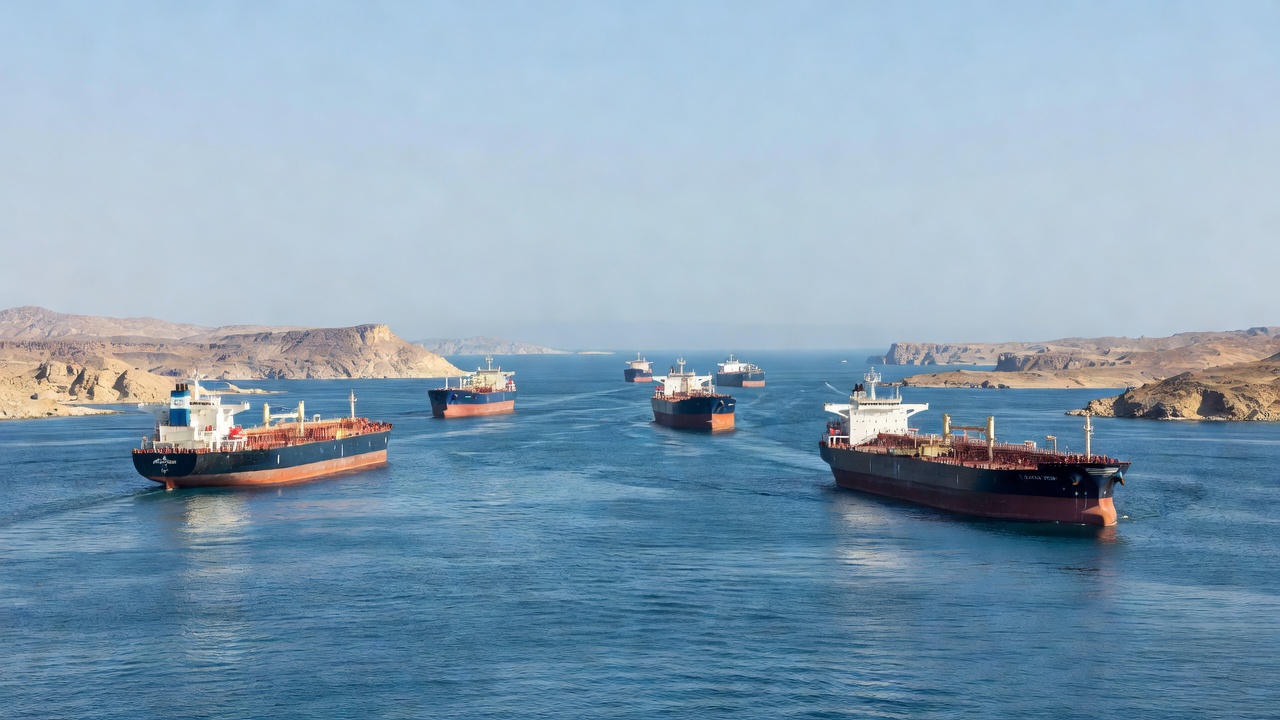

Oman on Tuesday announced coordination with the International Maritime Organization on a temporary maritime corridor in the Strait of Hormuz for transiting vessels that must coordinate with the IMO on provided coordinates, according to the Gulf Times citing Oman’s state news agency. The measure aims to secure freedom of navigation consistent with international law without charging transit fees.
The Gulf Times report indicated that the corridor forms part of measures to maintain freedom of navigation in the strategic waterway. Omani authorities emphasized adherence to international law and the United Nations Convention on the Law of the Sea in implementing the temporary route. The coordination with the IMO ensures that all participating vessels receive clear guidance on designated paths through the strait while supporting broader efforts to restore maritime activity.
Data from the US Energy Information Administration places average daily oil transit through the Strait of Hormuz at 20.9 million barrels in the first half of 2025, equivalent to roughly one-fifth of global petroleum liquids consumption. This volume underscores the strait’s role as a critical chokepoint for energy markets worldwide. A Brookings Institution assessment from June 2026 noted that disruptions to this flow had triggered significant volatility in international oil prices and supply chains prior to recent diplomatic steps.
According to a Congressional Research Service report published in March 2026, Iranian forces declared the Strait of Hormuz closed on March 4 of that year, resulting in multiple attacks on commercial vessels and a near-total halt in shipping. The UK Maritime Trade Operations Centre documented 10 such attacks by early March, with five crew members killed across two vessels. President Donald Trump subsequently signaled potential US intervention to restore open transit through the passage.
A memorandum of understanding signed between the United States and Iran on June 17, 2026, paved the way for reopening the strait, as detailed in reports from CNBC and Al Jazeera. However, maritime traffic has recovered only partially since the agreement, remaining below historical averages amid lingering safety concerns. The International Maritime Organization has outlined an evacuation plan for stranded ships in the Persian Gulf, to be executed with cooperation from Oman, Iran, the US and other regional states.
Oman’s navy issued a bulletin specifying that vessels will depart in a phased manner via two temporary maritime corridors, the IMO press briefing indicated. This approach prioritizes the protection of seafarers during the transition period following months of restricted access. The temporary measures announced by Oman represent one component of ongoing multilateral efforts to normalize operations in one of the world’s busiest shipping lanes.