
 ع
ع

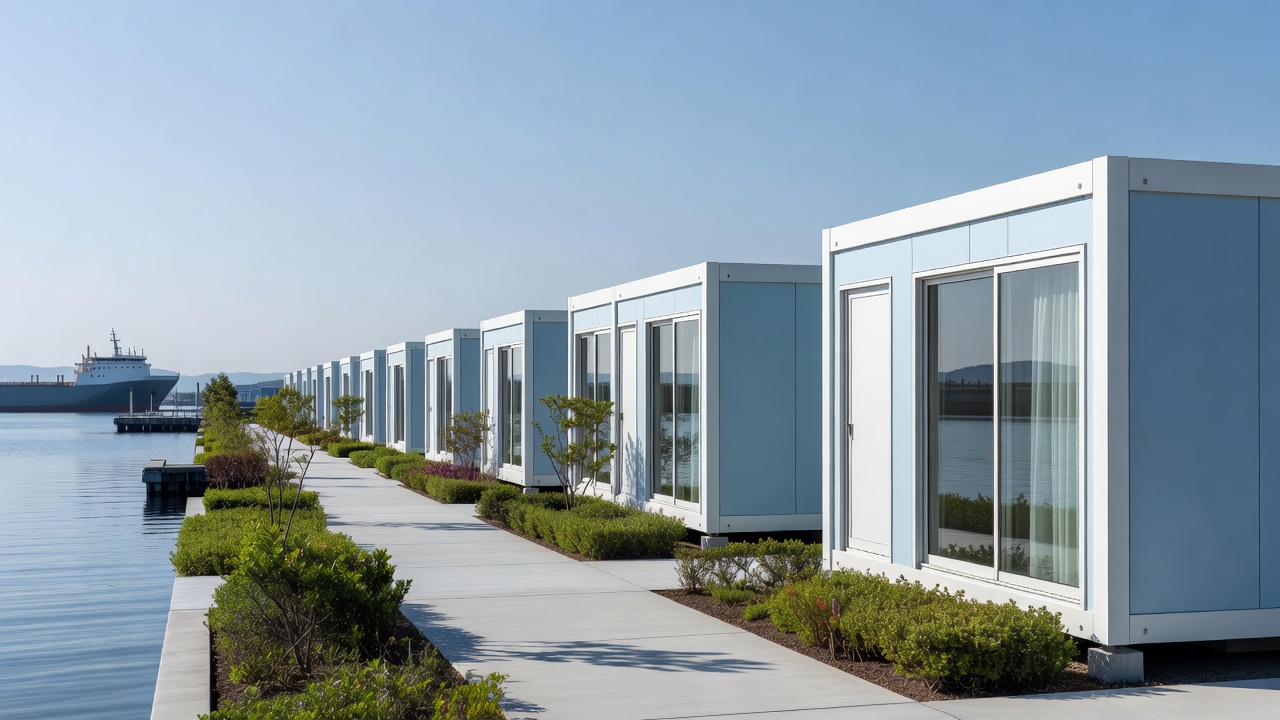

The leaders examined the services and logistical arrangements at the Garden Pier section of the accommodation, where they met several athletes competing in the 20th Asian Games and discussed their experiences. Qatar News Agency reported that the pair reviewed operational plans intended to create a supportive environment for all delegations throughout the multi-sport competition. They extended best wishes for success in the events while highlighting the role of sportsmanship in uniting the continent.
The Aichi-Nagoya Games have accommodated more than 17,000 athletes and officials from 45 national Olympic committees without a conventional centralised village. Organisers distributed participants across hotels in Nagoya and Aichi prefecture, temporary modular units at Garden Pier and a cruise ship docked at Kinjo Pier, according to the Olympic Council of Asia. This approach followed the decision to forgo construction of a purpose-built facility in order to control costs and ensure post-event utility of any investments.
International Olympic Committee President Kirsty Coventry offered a positive assessment of the modular cabins after her inspection. “The cabins are quiet, they’re very cool. The air conditioning is working well. The flooring and the walls are beautiful,” Coventry said. She noted that the quarters surpassed her expectations formed from earlier reports and described them as superior to some athletes’ villages she had encountered in the past.
Organisers increased the participant estimate from 15,000 to more than 17,000 after teqball and padel were added to the programme earlier this year. OCA Director General Husain Al-Musallam explained that while a traditional athletes’ village would remain preferable, hosts must maintain flexibility based on local conditions and legacy considerations. He stressed that the chosen model provides suitable housing, transportation, food and additional services without creating unused infrastructure once the Games conclude on October 4.
The tour formed part of ongoing oversight of organisational preparations, with athletes positioned as the central focus of the Olympic Council of Asia’s efforts. Daily ceremonies at the accommodation sites have included cultural performances, flag-raising events and exchanges of souvenirs, the organising committee has stated. The Aichi-Nagoya Games opened on September 19 across multiple venues in the region and represent the first edition to test this distributed accommodation concept at the continental level.
Coventry, a former Olympic swimming champion, acknowledged that the cabins are slightly smaller than those used at the Milano Cortina Winter Olympics earlier in 2026. She emphasised that athlete feedback and experience should guide the planning of future major events, according to her remarks at the site. Similar modular arrangements have been employed in other recent competitions, demonstrating an evolving approach to balancing cost, sustainability and competitor needs.