
 ع



Abdulwahab Al Eissa’s Harvard appearance puts the focus on how a Kuwaiti company turned influencer recommendations into a retail business shaped by local buying habits.
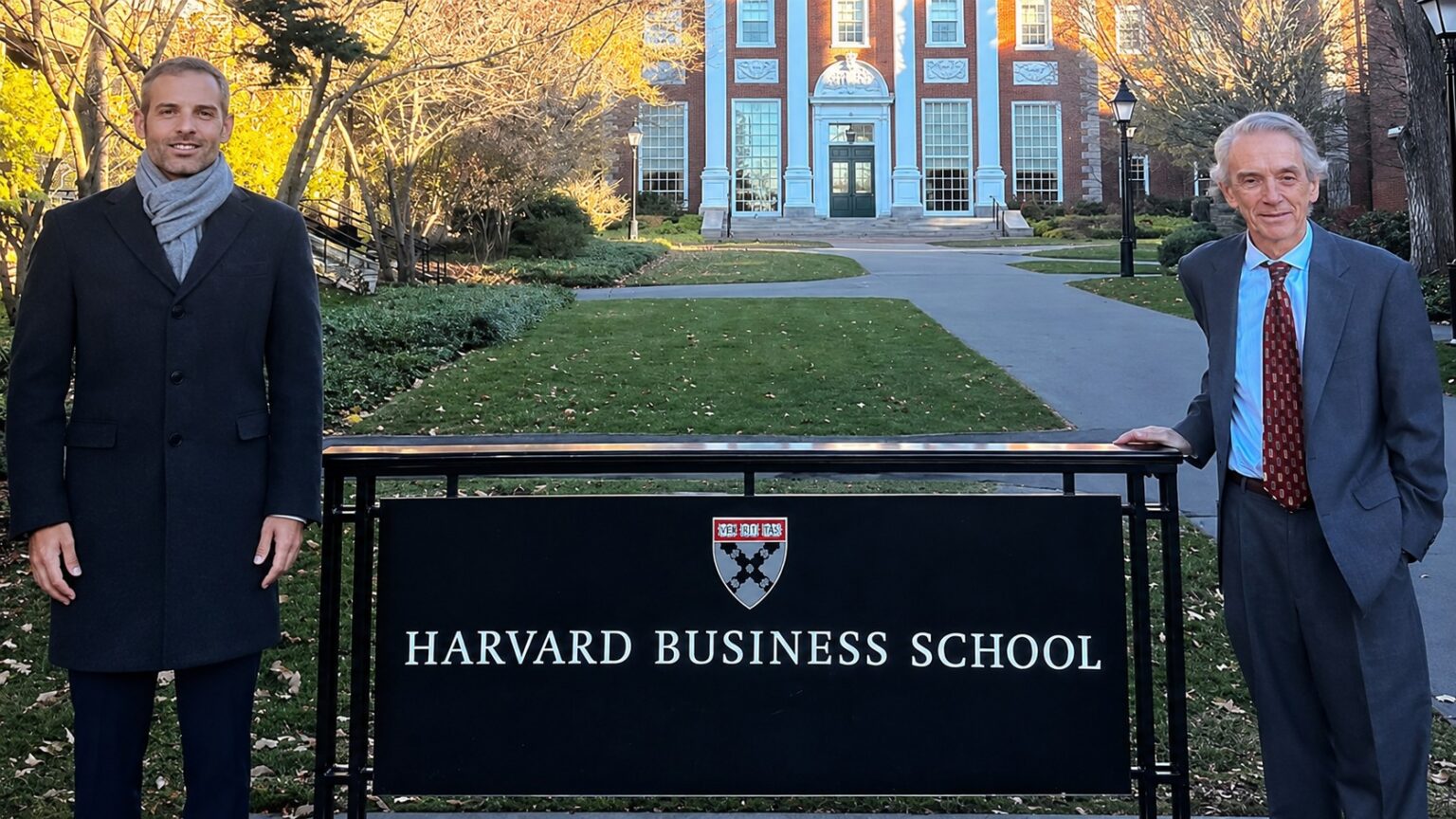
Boutiqaat co-founder Abdulwahab Al Eissa discussed the company’s beginnings and business model with students and Professor Juan Alcácer at Harvard Business School, Al Rai reported on November 17, 2026. Photographs published by Al Qabas show him alongside Alcácer outside the school and posing with a group of participants inside a classroom.
The visit follows the publication of “Boutiqaat: Influencing Retail in MENA”, a teaching case written by Alcácer and Noor Al Qadhi. First published in May 2025 and revised in March 2026, it examines the company Al Eissa co-founded in Kuwait in 2015. Its business offers a useful comparison with American approaches to influencer commerce: similar opportunities, but different decisions about stock, branding and customers.
Turning recommendations into retail
Before Boutiqaat, Al Eissa worked as a television presenter and political debate moderator. In a 2018 interview with the Arab Gulf States Institute, he described establishing the influencer marketing agency Omedia in 2011. While using influencers to promote restaurants, he noticed that followers were asking about their sunglasses and clothing instead of the venues being advertised.
Some of those products were unavailable in Kuwait or out of stock. Al Eissa began considering how to bring them to customers, initially concentrating on cosmetics and smaller beauty products. These already featured in influencers’ content, and starting with a limited range was more manageable than entering every category at once. “This is how Boutiqaat began,” he told the institute.
A related opportunity had emerged in the United States. Amber Venz Box co-founded the business now known as LTK in 2011, helping creators earn money from the purchases their recommendations generated. Its model connects shoppers with retailers, which pay commissions on resulting sales.
Boutiqaat built a retail operation around those recommendations. Harvard’s account traces its growth from a modest warehouse in 2015 to a business that had fulfilled 10 million orders by 2025. That model gives the company a greater role in the shopping experience, which also means taking on the work of delivering it.
A business serving eight markets
Boutiqaat’s published delivery information lists Kuwait, Saudi Arabia, the United Arab Emirates, Qatar, Bahrain, Oman, Iraq and Jordan. Its App Store description reports more than 100,000 products from over 1,000 brands, with selections from more than 2,000 celebrities and influencers.
Harvard’s July 2026 account reported that, by 2025, the company had recorded 12 million app downloads. It also described more than 1,000 employees and 270 brands launched with influencers. These figures describe the business at that point, rather than providing a current measure of its workforce or sales.
Physical retail is also part of the group’s expansion. In a November 2 announcement, Korea Town by Boutiqaat confirmed openings at Mall of Qatar and Place Vendôme, following its first international store at The Avenues Bahrain. The company said the concept operates in Kuwait, Bahrain and Qatar, with further GCC openings planned.
When the influencer’s name was not the selling point
In Harvard’s account, Al Eissa explained his early interest in social media. He said that “if the power is moving toward social media, marketing spend would inevitably follow”. Boutiqaat’s approach included micro-influencers and an academy that supported creators, product launches and performance measurement.
Yet an influencer’s ability to attract customers did not always make their name the best label for a product. Harvard described a 2017 fragrance experiment in which neutral names performed better than influencer-branded alternatives. It linked the result to unisex fragrance preferences and reluctance to buy a product bearing an influencer’s name associated with another gender.
That finding offers a contrast with Kylie Cosmetics, which launched in November 2015 with the Kylie Lip Kit and placed its founder’s name at the centre of the brand. Coty describes the debut as a sell-out success. The comparison suggests that personal recognition can help sell beauty products, while the value of putting that name on the packaging depends on the product and its customers.
The result illustrates the importance of testing how customers respond locally, a theme running through Harvard’s examination of the business. Al Eissa had described his ambition in 2018: “Boutiqaat is an original concept that is entirely made in Kuwait.”