
 ع
ع


GCC Economy Forecast to Grow 8.1% This Year on Tourism and Investment Surge
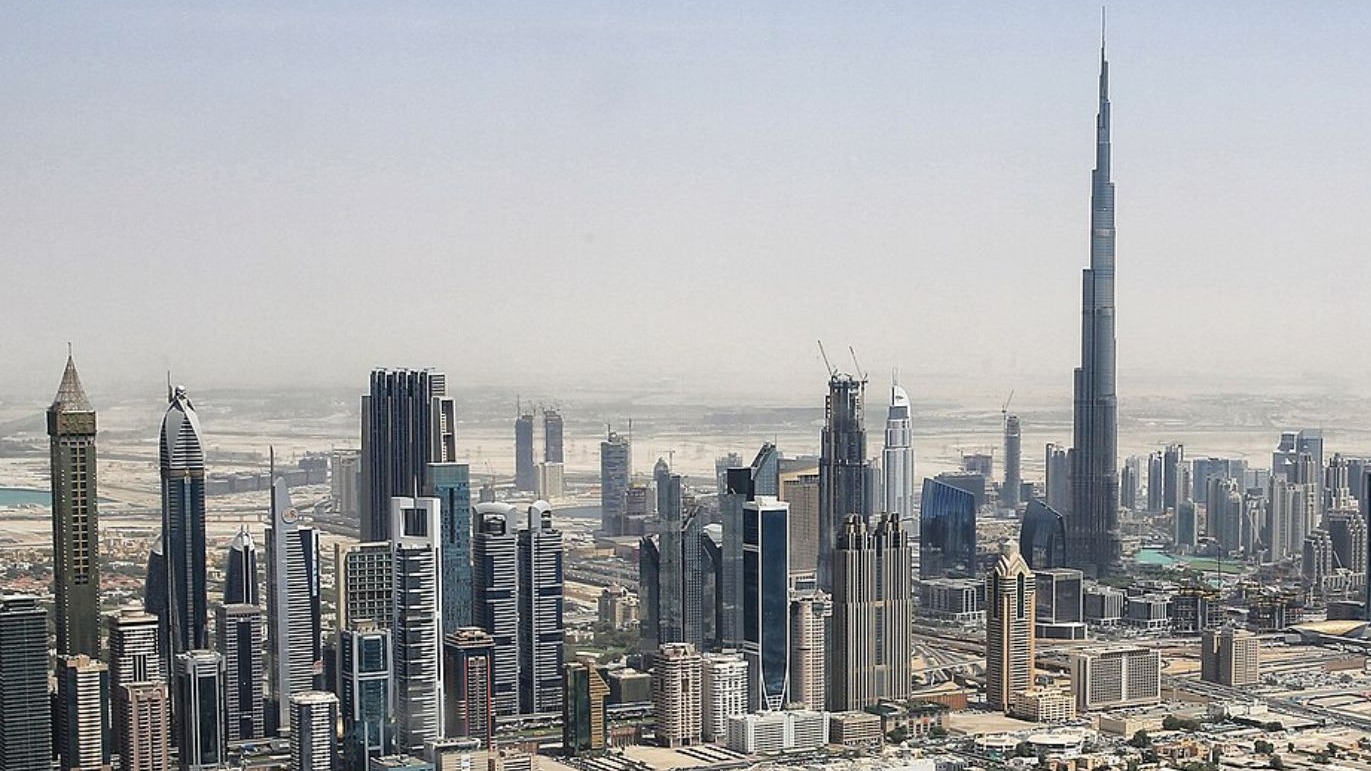
Arabian Business highlighted on June 18, 2026, that economists and business leaders are optimistic about the GCC economy’s outlook. The forecast for 8.1 percent growth this year is driven by booming tourism, investment inflows and business expansion across the region according to its Instagram reel. This marks a sharp acceleration compared to last year and reinforces the Gulf’s standing among the world’s strongest growth stories.
The reel posted by Arabian Business described how the region is positioning itself for its next phase of growth after months of uncertainty. It identified sustained momentum in key non-oil sectors as central to the positive shift. Regional business leaders have similarly voiced confidence in the durability of this trajectory.
World Bank data places GCC economic growth at 3.2 percent for 2025 before rising to 4.5 percent in 2026. The lender attributed the pickup to the rollback of OPEC+ oil production cuts combined with robust non-oil sector activity. Such estimates provide context for the higher forecast highlighted in the Arabian Business report.
Tourism has contributed substantially to the recovery with record arrivals reported in hubs like Dubai and Riyadh over recent periods. Infrastructure projects and international events have further catalyzed visitor numbers and associated spending. This sector’s performance has helped diversify revenue streams away from traditional hydrocarbon sources.
Investment inflows into the GCC have targeted technology, renewable energy and logistics according to industry assessments. These capital movements have enhanced business confidence and supported enterprise expansion throughout the six countries. The trend aligns with long-term visions aimed at fostering innovation and private sector development.
The IMF’s World Economic Outlook issued in April 2026 projected global growth of 3.1 percent for the year amid various geopolitical and economic pressures. The anticipated GCC expansion would thus exceed the worldwide average by a considerable margin. Member states have pursued structural reforms to maintain this differential and build economic resilience.
National strategies across the GCC have focused on reducing oil dependency through investments in human capital and advanced industries. Progress in these areas has begun to translate into measurable gains in productivity and employment. The current wave of optimism reflects the effectiveness of these coordinated policy measures.