
 ع



Reuters reported on October 15 that Yemen’s Houthis fired missiles at the presidential palace in Aden killing five people according to the Yemeni government while the Saudi-led coalition documented dozens of Houthi attempts on its airports ports and oil installations over recent weeks. Coalition spokesman Major-General Turki al-Maliki told reporters that the group had carried out 20 attacks on Riyadh’s King Khalid International Airport this month resulting in 17 deaths and 333 injuries. The spokesman added that three more people had been killed and 28 wounded in strikes on Abha airport near the Yemeni border with a projectile also landing near King Fahd airport in Dammam.
The coalition described the airport assaults as war crimes and stated that the Houthis had obtained advanced ballistic missiles drones and fast boats with assistance from regional actors a Reuters dispatch noted. In parallel Houthi-controlled media reported Saudi airstrikes across multiple Yemeni provinces including Sanaa Saada Taiz Hajjah and Amran with no immediate confirmation of casualties from Riyadh. The exchanges mark a sharp intensification since the collapse of a United Nations-brokered ceasefire that had held largely since 2022 according to Al Jazeera on October 11.
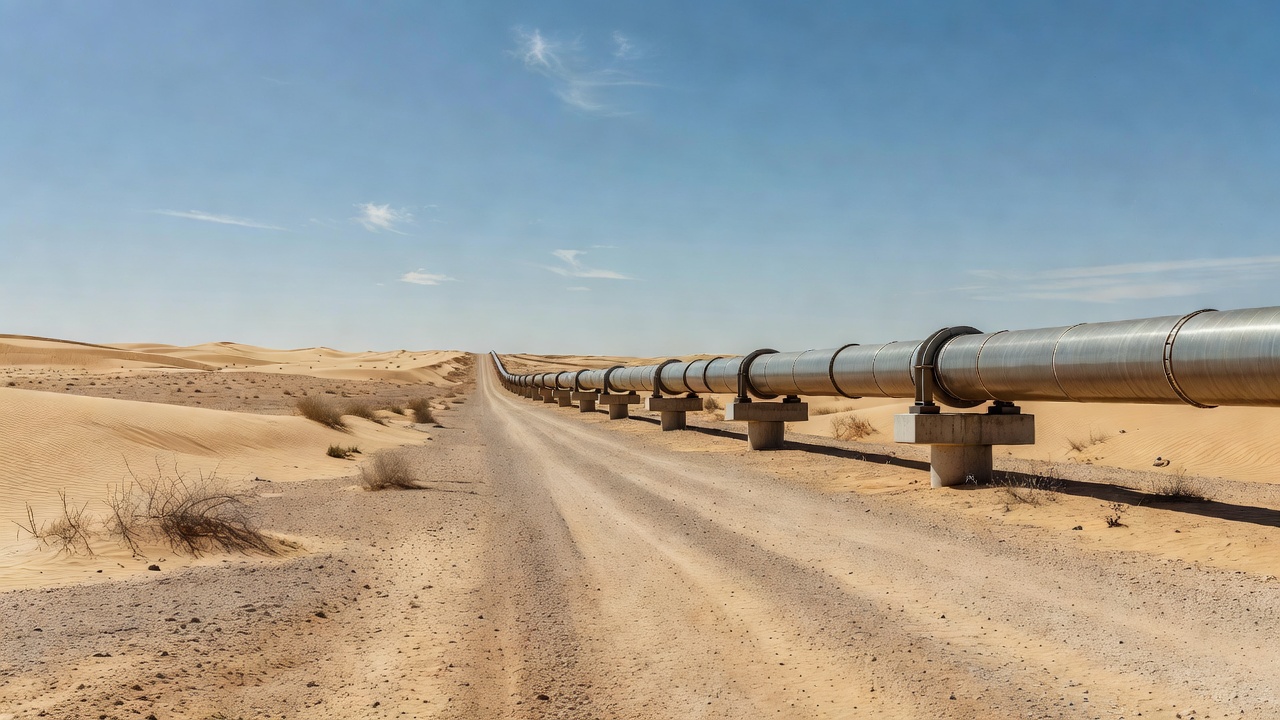
A drone strike on the 1 200-kilometre east-west oil pipeline across the Arabian Peninsula knocked out the main alternative export route bypassing the Strait of Hormuz Reuters reported citing traders on September 13. Saudi Arabia holds sufficient stored oil at its Yanbu Red Sea terminal to maintain exports for five to seven days after which up to 4 percent of global supply could be jeopardised if repairs are delayed the traders told the agency. The pipeline disruption compounds existing losses from Red Sea shipping restrictions that have already reduced Saudi oil exports to Asia from 3.4 million barrels per day in June to 700 000 barrels this month according to Kpler trade monitoring data.
International Organization for Migration figures show more than 100 000 Yemenis displaced by the latest fighting which escalated after Houthi forces seized control of much of the Red Sea coastline in a rapid offensive. Saudi-backed Yemeni government troops backed by coalition air power have recaptured some areas around the Bab el-Mandeb strait including the town of Dhubab a New York Times report from October 5 said. Houthi political officials dismissed claims of major territorial losses as illusory while the group continued drone and missile launches targeting Saudi military bases.
Three sources familiar with the discussions told Reuters that Saudi Crown Prince Mohammed bin Salman had requested military assistance from US President Donald Trump during a recent phone call but was provided only intelligence support. Houthi leader Abdul Malik al-Houthi demanded in a televised address that Saudi Arabia end its blockade and military operations in Yemen. The attacks have also disrupted Saudi investment conferences prompting withdrawals by oil executives and a shift to remote formats for the Future Investment Initiative according to the October 15 Reuters article.
The International Civil Aviation Organization condemned the strikes on civilian airports and aviation infrastructure in Saudi Arabia a Reuters dispatch noted. Analysts cited in separate Reuters coverage warned that continued Houthi targeting of economic assets tests Saudi Vision 2030 plans though no independent assessment of long-term investment impact was provided. Saudi authorities have released no comprehensive update on pipeline repair timelines or overall damage from the strikes.