
 ع


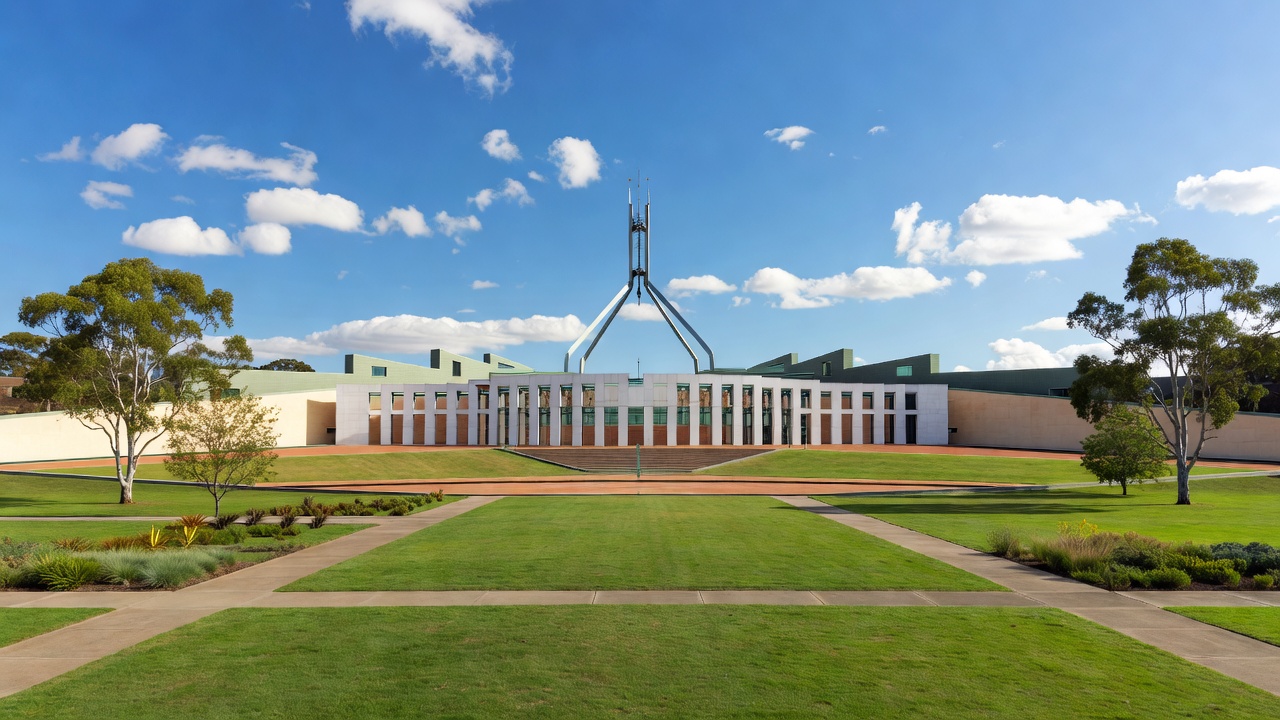

King Abdullah II held talks with Australian Deputy Prime Minister and Minister for Defence Richard Marles that examined opportunities to deepen defence and security collaboration between Jordan and Australia as a means of supporting broader stability across the Middle East. The sovereign highlighted the value of intensified global initiatives to reduce tensions via diplomatic channels and open dialogue, while insisting on full respect for the sovereignty and security needs of Arab nations. A Royal Court statement detailed the discussions, which took place in the Australian capital and included senior figures from both governments.
Deputy Prime Minister and Foreign Minister Ayman Safadi joined the session alongside Chairman of the Joint Chiefs of Staff Maj. Gen. Majdi Al Harasis, Director of the Office of His Majesty Alaa Batayneh, Jordan’s Ambassador to Australia Janti Kalajoqa and Australia’s Ambassador to Jordan Paula Ganly. The gathering built directly on a pattern of high-level exchanges that have defined the partnership in recent years. Jordan News Agency reporting confirmed that the conversation centred on practical steps to advance joint priorities without straying into speculative outcomes.
The King proceeded to the Headquarters Joint Operations Command of the Australian Department of Defence, where he conferred with Commander of Joint Operations Vice Admiral Justin Jones on additional avenues for military cooperation. That visit underscored the operational dimension of the relationship, which has matured through shared training and coordination on mutual concerns. Officials from both sides used the occasion to review ongoing programmes that have sustained the partnership since diplomatic ties were first established.
The Australian Embassy in Jordan has recorded that formal relations between the two countries date to 1975, with defence links extending back more than a century to Australian Light Horse operations in support of the Great Arab Revolt during the First World War. A joint declaration on enhanced cooperation signed in 2016 identified defence, counterterrorism and intelligence sharing as central pillars, according to archival records maintained by the Australian Department of Foreign Affairs and Trade. Deputy Prime Minister Marles had previously visited Jordan in May 2026, continuing a sequence of reciprocal engagements that keep the security dialogue active.
Regional developments formed a prominent part of the Canberra conversation, with the King reiterating the urgency of collective action to prevent escalation while safeguarding established borders and national autonomy. The Jordanian delegation emphasised Amman’s consistent advocacy for de-escalation through established multilateral forums. Such positions align with Jordan’s longstanding role in regional security initiatives that frequently intersect with Australian strategic interests.
Bilateral defence cooperation has expanded steadily in scope, encompassing joint exercises, information exchange and capacity-building projects that benefit both armed forces. The Australian government has described Jordan as a key partner in the Middle East, citing sustained collaboration on counterterrorism and humanitarian response as evidence of the relationship’s depth. Tuesday’s meetings therefore represented a continuation of this trajectory rather than a departure into uncharted territory.