
 ع


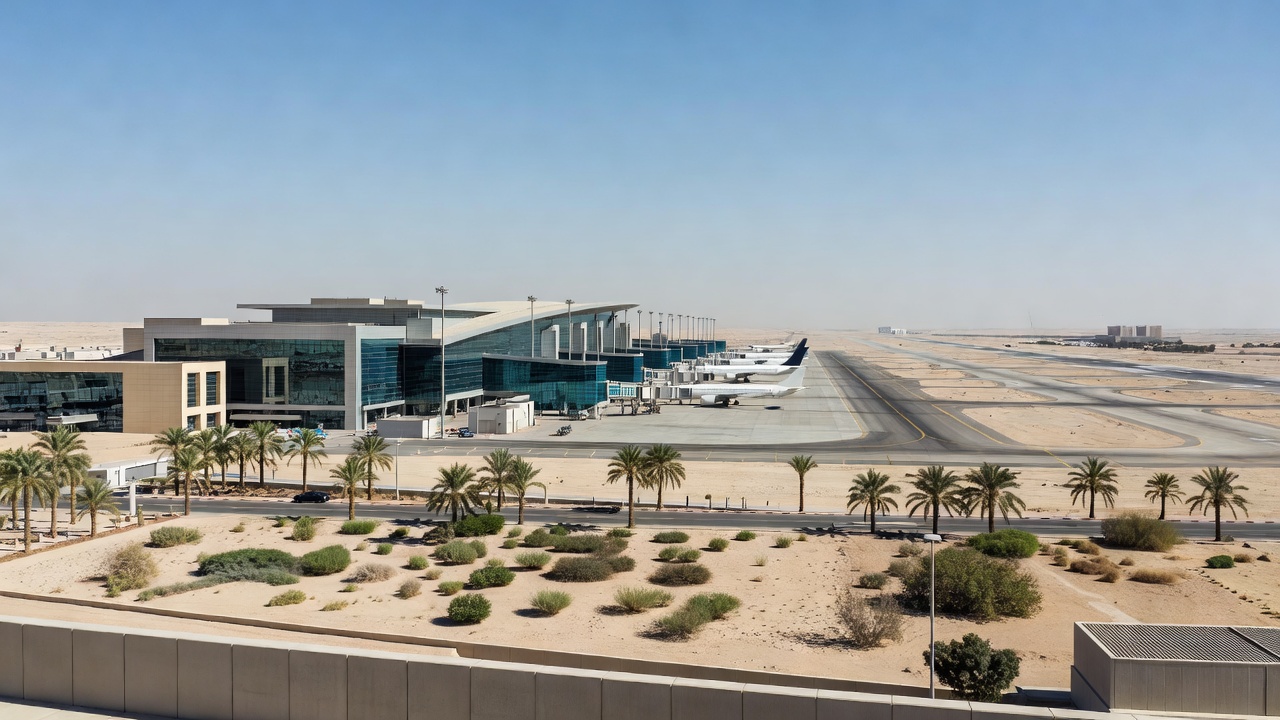

The General Authority of Civil Aviation announced the extension of the operational suspension at King Khalid International Airport while it finalizes procedures to confirm the safety of all facilities and their readiness to resume activity. According to a statement distributed by the Saudi Press Agency, the authority is coordinating closely with relevant agencies to complete these essential verifications. This decision follows a series of attacks on the airport that prompted the initial closure earlier in the week.
Saudi authorities reported that a ballistic missile struck the airport complex on October 10, killing 13 people from several nationalities and wounding 309 others, in what officials described as the deadliest attack in the kingdom in more than a decade. A follow-up strike the next day claimed one additional life, that of a Pakistani national, and injured 11 more people, bringing the weekly death toll to 18. The Saudi-led coalition labeled the assaults war crimes and pledged a decisive response in line with international humanitarian law.
The strikes damaged terminals handling domestic flights, sparked fires and led to the collapse of structural elements, with video footage showing passengers fleeing amid falling debris. Airlines diverted hundreds of flights, and several carriers including Philippine Airlines extended suspensions of services to Riyadh until late November due to the evolving security situation. UAE-based operators also canceled routes to multiple Saudi destinations including Riyadh, Jeddah and Dammam.
King Khalid International Airport ranked as the kingdom’s second-busiest aviation hub last year, according to figures from the General Authority for Statistics. The facility processed 40.8 million passengers in 2025, reflecting an 8.7 percent increase from the prior year and representing nearly 29 percent of Saudi Arabia’s record 140.9 million total air travelers. It also recorded 296,800 aircraft movements, placing it behind only King Abdulaziz International Airport in Jeddah.
The airport serves the capital city of more than 8 million residents and functions as a critical node in both domestic and international connectivity for the kingdom. General Authority of Civil Aviation data from earlier this year highlighted ongoing expansion in Saudi air traffic, with international passenger numbers reaching 75.8 million across all facilities in 2025. The current closure has disrupted travel plans for thousands and underscored vulnerabilities in regional air infrastructure amid heightened tensions with the Houthis in Yemen.
GACA had initially suspended operations immediately after the October 10 strike to assess damage to radar, communications equipment and runways. The authority later confirmed that the extension would remain in place beyond the original 24-hour window as inspections continued. No timeline for reopening has been released as verifications proceed.