
 ع


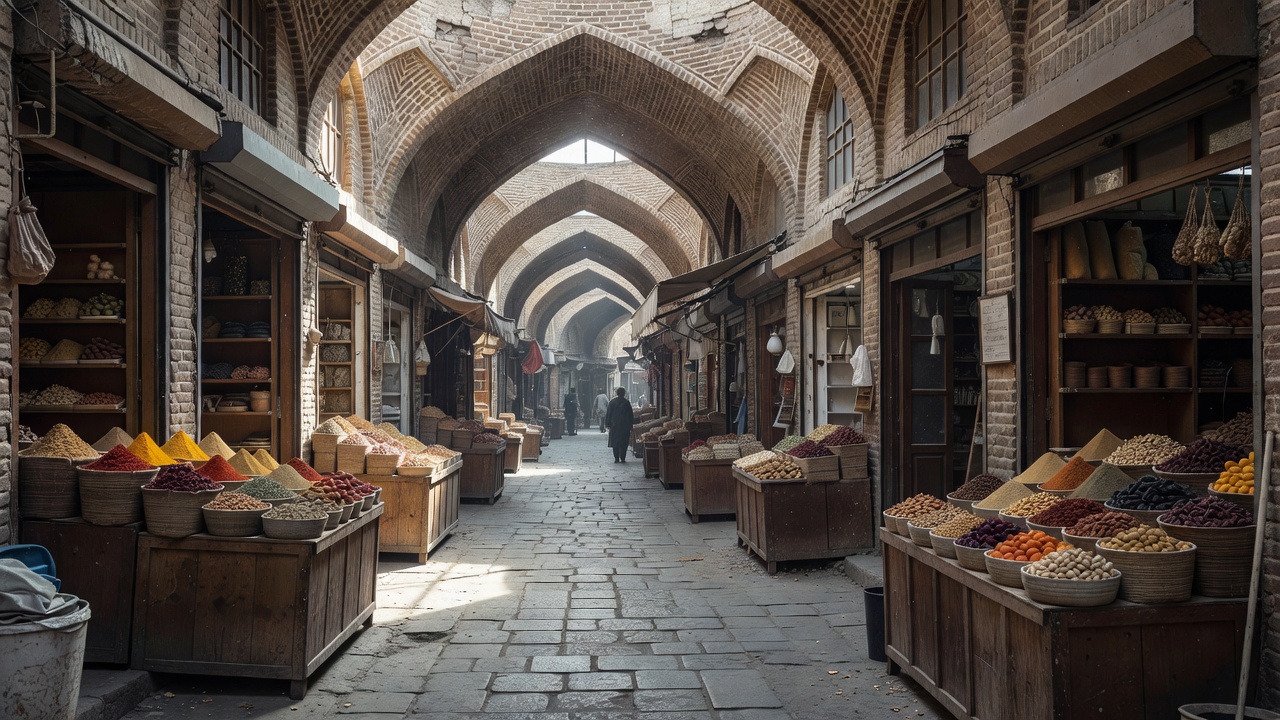

At a Tehran bazaar filled with the scents of herbs and spices, shopkeeper Nasir described a sharp reversal in customer habits that has left his nut and dried fruit business reeling. The 61-year-old told AFP that buyers who once purchased two to five kilograms at a time now limit themselves to one kilogram or even half a kilogram because of soaring prices triggered by the conflict. The marketplace in northern Tehran, which would typically bustle with activity, now sees mostly empty shops and sparse foot traffic along its narrow alleys. Sellers continue to call out to the few passersby in a bid to generate any sales at all.
Sportswear retailer Ali Nowruzi outlined a broader collapse rippling from manufacturers to retailers across the commercial district. The 36-year-old said manufacturers are going bankrupt, laying off staff and closing shops, with the consequences reaching businesses like his. Nowruzi orders only minimal stock to avoid bare shelves while his warehouse sits empty from lack of demand. He added that rising rents and utility bills have eliminated any margin for planning ahead, stating that when people stop buying it effectively spells bankruptcy for the business.
The Statistical Center of Iran reported that year-on-year inflation reached 89.8 percent in September, with food prices more than doubling in some categories and compounding the pressure on household budgets. Official figures show the national consumer price index climbed 4.2 percent in a single month, driven by wartime disruptions and persistent supply constraints. Merchants across the bazaar cited these increases as the main reason everyday purchases have become smaller and less frequent.
Iran’s gross domestic product contracted 10.1 percent year-on-year in the first quarter of the Persian calendar from late March to late June, the Statistical Center of Iran said. Oil and gas extraction plunged 26.4 percent during the period as blockades curtailed exports, while industry and mining fell 14.7 percent and services declined 4.8 percent. Agriculture posted modest growth of 2.3 percent, providing the only positive note in an otherwise uniform downturn.
The Iranian rial traded at around 2.7 million to the dollar on the unofficial market last week, a steep slide from approximately 1.7 million before the war began, according to market monitors cited by AFP. That depreciation has inflated the cost of imported goods and raw materials, squeezing retailers who must pass higher prices to already strained customers. Bazaar operators said the currency’s volatility has made it impossible to forecast costs or set stable pricing.
The war erupted in February with US and Israeli strikes on Iran followed by an American naval blockade of its ports, according to multiple accounts that have tracked the ensuing economic fallout. Iran’s economy had already endured years of sanctions, yet the latest conflict intensified shortages and uncertainty that now dominate daily commerce in Tehran. Street performers in the bazaar alleys resorted to playing music for tips as traditional retail activity slowed to a trickle.