
 ع
ع

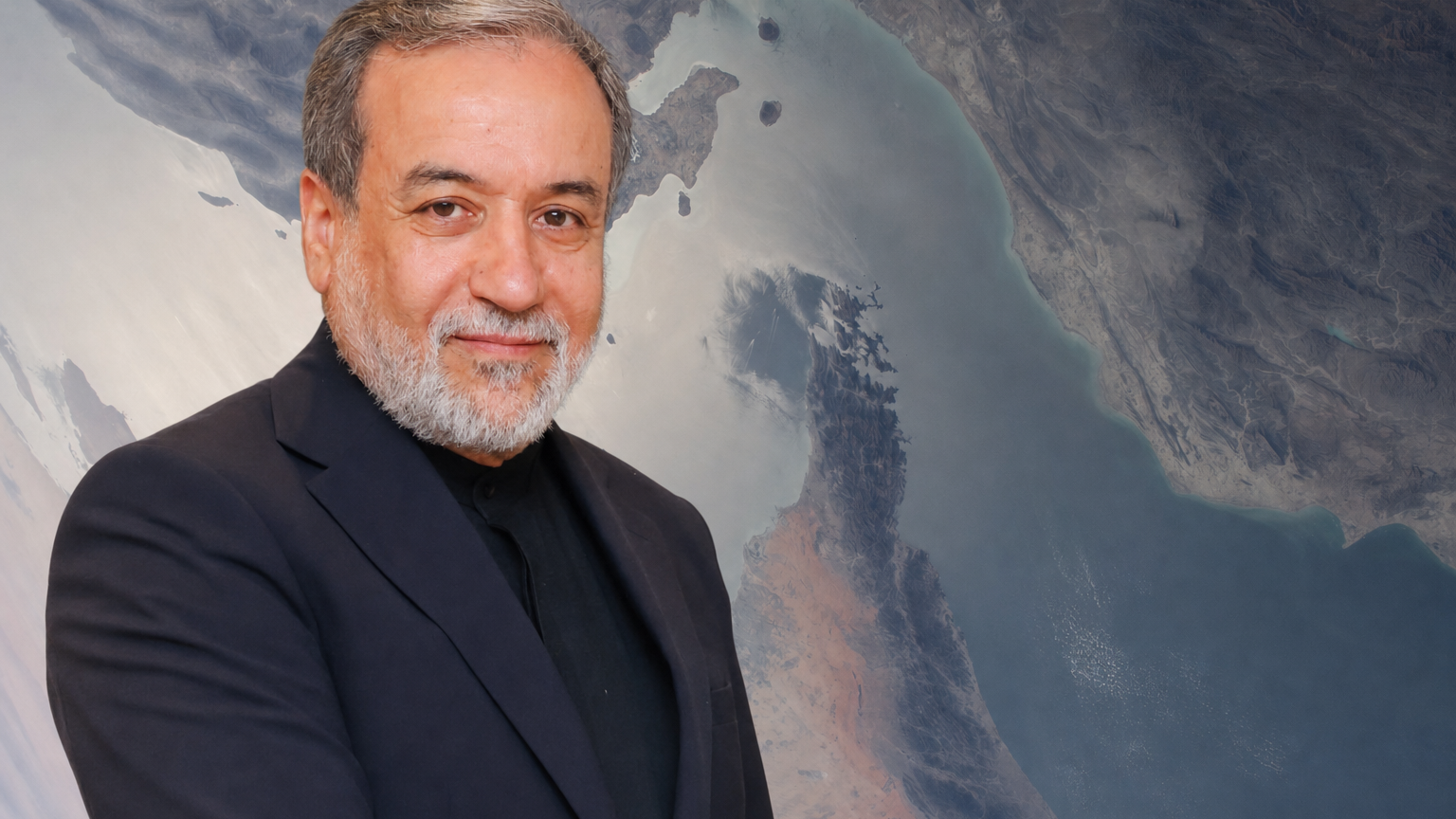

Iranian Foreign Minister Abbas Araghchi has conveyed a concrete seven-day plan to the United States through Qatari mediators under which the Strait of Hormuz would reopen to maritime traffic if Washington meets specified conditions. Araghchi outlined the timeline at the United Nations last week, stating that the clock would start immediately upon US acceptance of the proposal. The foreign minister explained that required actions could be completed in four or five days, allowing the strait to reopen on the sixth day with final agreement talks to follow on the seventh. IRNA reported that all steps align with a memorandum of understanding the two sides signed in mid-June.
The conditions include immediate lifting of the US naval blockade, release of frozen Iranian assets and an end to hostilities on all resistance fronts across the region. Araghchi stressed that Tehran has informed Washington of the necessary measures and is now awaiting a reply. “If there is the necessary seriousness on the US side, this will happen and the Strait of Hormuz will be reopened,” he said. The proposal builds directly on earlier indirect talks held on the sidelines of the UN General Assembly.
Araghchi met with US Special Envoy Steve Witkoff earlier in the week in New York, where Iran’s positions were relayed with Qatari mediation. The US side described the discussions as lengthy and expressed hope they would prove constructive. President Donald Trump confirmed that a three-hour session had taken place and indicated further meetings were planned. Iranian officials have since reiterated that the seven-day framework remains on the table pending Washington’s decision.
A spokesman for Iran’s Revolutionary Guards told AFP that ending the war in Yemen formed part of the demands alongside a seven-day cessation of hostilities throughout the Middle East, including in Lebanon. The plan would see normal maritime passage restored within the specified period once the conditions are satisfied. Araghchi noted that Iran remains committed to safe navigation but cannot achieve maritime security through military pressure or economic coercion. According to ISNA, the foreign minister emphasized that Tehran will not surrender its sovereign rights.
The Strait of Hormuz serves as a critical chokepoint for energy shipments from the Persian Gulf. Earlier media accounts indicated that the proposal also calls for lifting sanctions on Iranian oil exports as part of the initial steps. Araghchi said the choice now rests with the United States and that Iran is in no hurry but prefers an agreement before the US midterm elections. The foreign minister added that everything is prepared if Washington demonstrates seriousness.
Iranian state media have reported that the plan does not go beyond commitments already outlined in the June memorandum of understanding. The memorandum had originally scheduled negotiations within 60 days, a deadline that passed in mid-August amid escalating regional tensions. Araghchi’s latest comments come after weeks of diplomatic maneuvering involving multiple mediators. The foreign minister spoke to reporters and experts at a briefing alongside President Masoud Pezeshkian in New York.