

 ع
ع

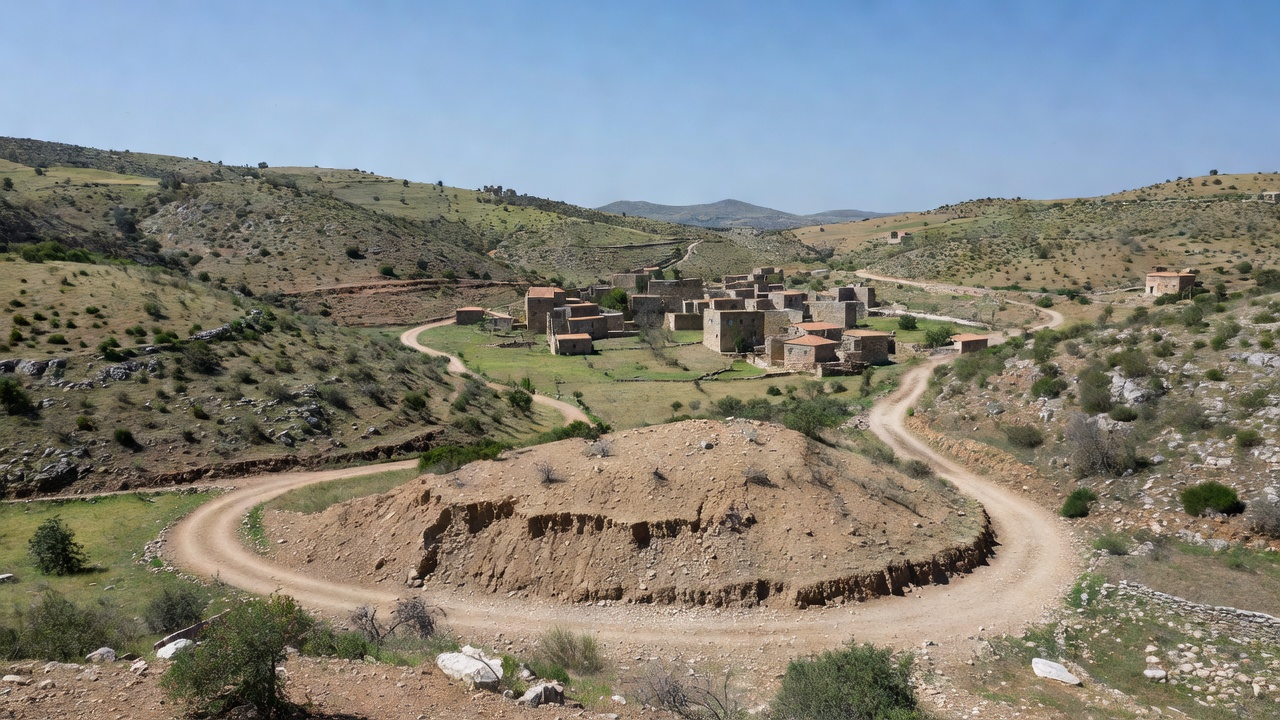

The Lebanese Armed Forces said Israeli forces approached an observation post the army had set up on September 10 in coordination with ceasefire monitors and launched stun grenades in its vicinity on September 18. In response the army reinforced the post and a state of heightened alert took hold between the two sides the statement added. An AFP photographer reported that two Israeli tanks moved along a road toward Deir Mimas and halted at an earthen barricade with Lebanese army vehicles stationed beyond it.
Lebanon’s National News Agency reported that the Israelis threw six stun grenades during the encounter which took place on the edge of territory occupied by Israel. The photographer observed that the Lebanese army withdrew about 100 metres while remaining in a position facing the Israeli tanks. According to L’Orient-Le Jour the movements prompted insults and threats from the Israeli soldiers who also fired the stun grenades toward the Lebanese troops.
L’Orient-Le Jour reported that the military coordination mechanism intervened to prevent further escalation through contacts that led to both sides pulling back. The Lebanese soldiers initially retreated several tens of metres while still facing the Israeli forces and the army dispatched reinforcements to the area. Israeli troops then searched several nearby houses before repositioning to Tell el-Nahas hill where they maintain a presence in occupied Lebanese territory.
The incident placed residents of Deir Mimas under several hours of tension and panic as the village lies within a buffer zone declared by Israel yet continues to be inhabited. L’Orient-Le Jour noted that the confrontation unfolded in the eastern sector of south Lebanon where such friction has persisted despite the 2024 ceasefire agreement. The Lebanese army later repositioned along the main road leading to Bourj el-Mlouk according to the same account.
The face-off occurred one day after military officials from about 15 countries gathered in Paris to mobilise international assistance for the Lebanese army which is responsible for deploying throughout the south and disarming Hezbollah. Israeli authorities have criticised the pace of that deployment L’Orient-Le Jour stated in its coverage of the Paris meeting and the subsequent border incident. The Lebanese Armed Forces have sought to balance these international expectations with the need to avoid direct confrontation along the volatile frontier.
Similar incidents have marked the Israel-Lebanon border in past years including a 2010 clash near the villages of Odaisseh and Kfar Kila that left casualties on both sides according to contemporaneous reports from the period. The latest event underscores the fragility of arrangements in the buffer zone where coordination mechanisms established under the ceasefire have been activated to manage friction. The New Arab reported that the Lebanese army maintained its presence in the area after the immediate tensions subsided on September 18.