
 ع
ع

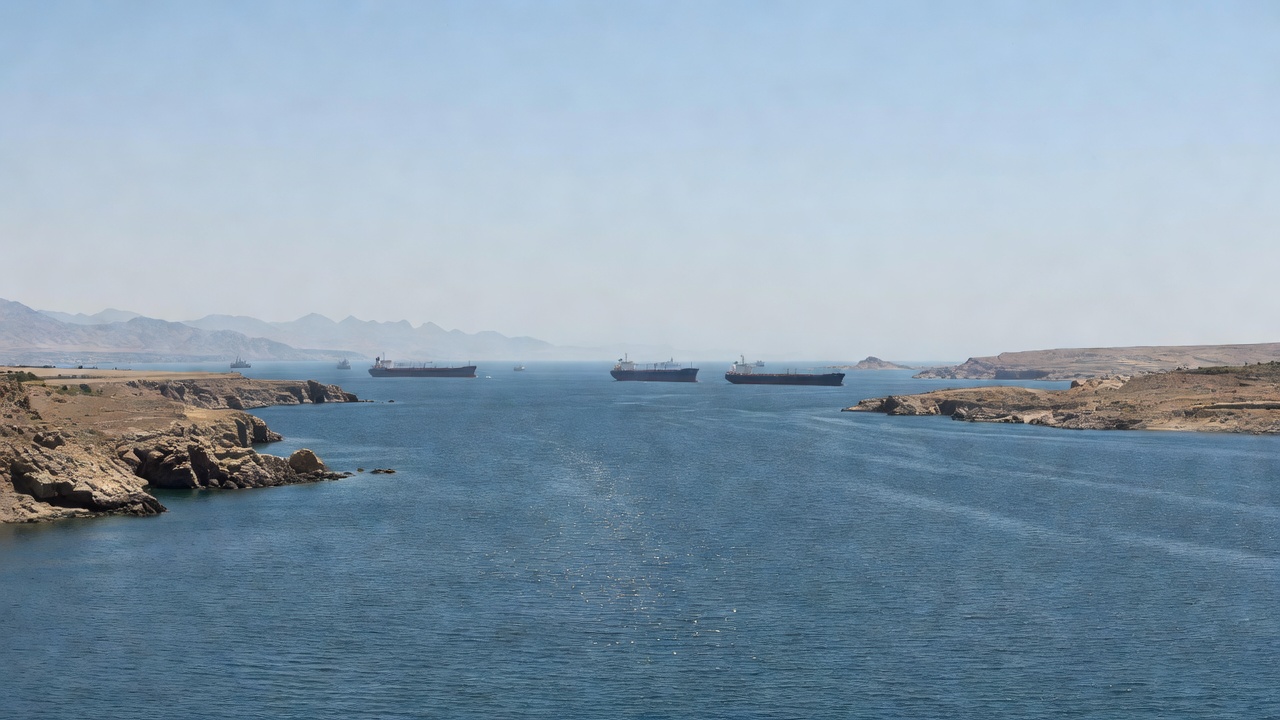

Reuters reported on September 12 that a senior Iranian official speaking on condition of anonymity stated a meeting planned for the next Monday in Oman would allow discussion of the Strait of Hormuz and other regional issues without yielding any signed agreement over the waterway. The official noted that Iran has engaged in negotiations for months with Oman which controls the opposite bank of the strait over a potential deal to govern transport through the passage. Iran continues to pursue terms that would permit collection of fees from ships using the strait while Oman has rejected that approach according to the Iranian official cited by Reuters. The comments underscore the limited expectations for immediate outcomes from the gathering.
Tehran announced the previous Friday that it would attend the meeting with Gulf countries in Oman Reuters reported. Oman has yet to issue an official confirmation of the event and multiple regional states have remained silent on their potential involvement. Bahrain stated on Saturday that it would not participate in meetings with Iran until diplomatic relations are restored between the countries the news agency added. Oman has previously indicated that its negotiations with Iran receive support from other Arab Gulf nations.
The discussions occur after an interim deal signed between Tehran and Washington earlier in the month that addressed the conflict which erupted following attacks on Iran by the United States and Israel in February. The Iranian official told Reuters that around one fifth of global oil supplies had moved through the strait before that war began. The meeting was initiated by Oman and is intended to cover broader topics in addition to the waterway itself according to the same source.
International Energy Agency data show the Strait of Hormuz carried an average of 20 million barrels per day of crude oil and oil products in 2025. The agency places those volumes at around 25 percent of global seaborne oil trade with the bulk destined for Asian markets including China and India. Most Gulf producers depend on the passage for the majority of their energy exports while Saudi Arabia and the United Arab Emirates maintain some bypass routes.
The Iranian official told Reuters that the Monday session would also address other regional questions beyond Hormuz management. Oman has served as a mediator in past Iran-related diplomacy which has included indirect talks with Western powers. Further technical discussions between Iranian and Omani experts are anticipated to follow the initial meeting the official indicated.