
 ع
ع


Kuwait’s Ministry of Foreign Affairs issued a statement strongly condemning the targeting of the East-West Pipeline by several drones that originated from Iraqi territory. The ministry described the strikes as a blatant violation of Saudi Arabia’s sovereignty together with breaches of international law and international humanitarian law that also threatened the security of energy supplies. Such actions amount to a dangerous escalation that risks undermining the security and stability of the wider region according to the statement carried by the Kuwait News Agency. The condemnation came hours after Saudi authorities reported the incident which had forced a precautionary shutdown of the critical infrastructure.
The Kuwaiti statement urged the Iraqi government to take all necessary measures ensuring its territory is not used as a launch point for attacks against Saudi Arabia or other neighbors. It called on Baghdad to work toward halting such operations and preventing any recurrence as part of broader efforts to maintain regional calm. The ministry renewed Kuwait’s complete solidarity with Saudi Arabia while affirming support for every measure the kingdom adopts to protect its sovereignty security stability and national interests.
Saudi officials had announced the temporary closure of the pipeline following the strikes that occurred on September 11 in areas spanning Riyadh and Madinah according to the Saudi Press Agency. The attacks caused a number of injuries along with material damage that prompted deployment of emergency and technical teams to assess safety and secure the facilities. Satellite imagery from European Union Copernicus services later confirmed plumes of smoke rising from multiple locations near the pipeline route.
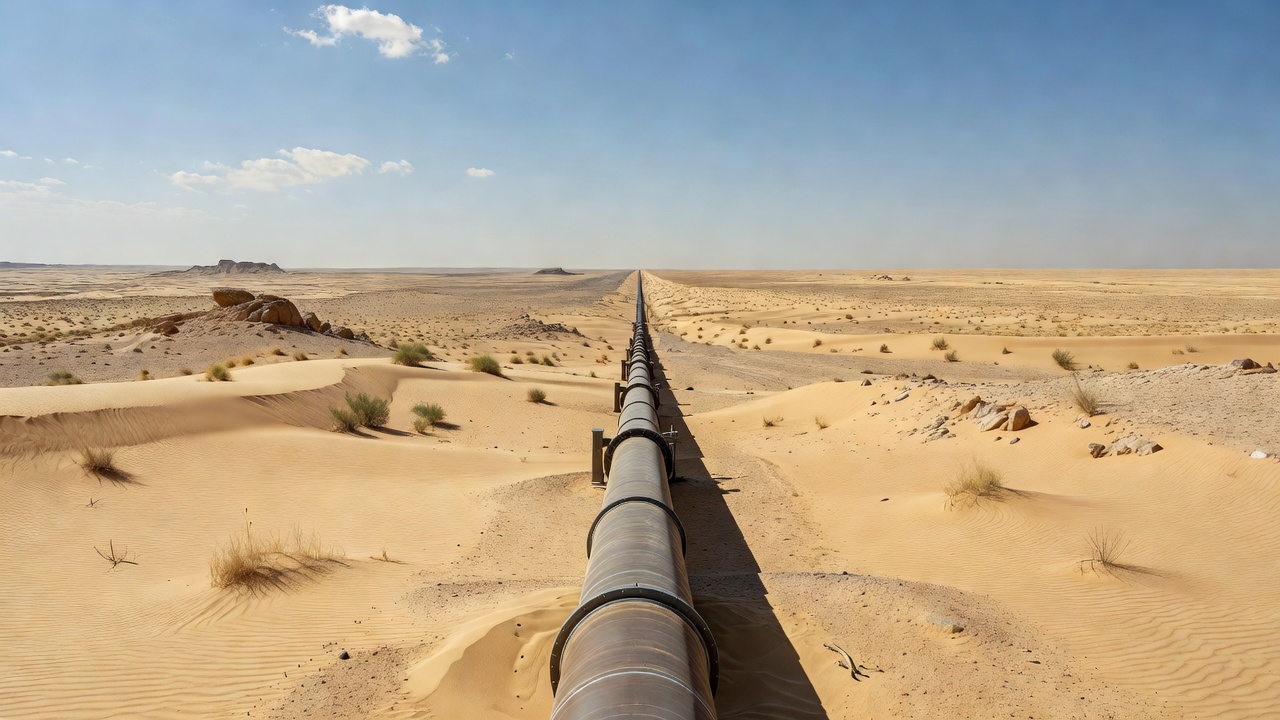
The East-West Pipeline also known as Petroline extends approximately 1,200 kilometers from the Abqaiq oil fields in Saudi Arabia’s Eastern Province to the Red Sea port of Yanbu a distance that enables crude exports bypassing the Strait of Hormuz amid current regional conflicts. Saudi Energy Ministry assessments place the pipeline’s full capacity at 7 million barrels per day after conversions completed earlier in 2026 that incorporated additional lines previously used for natural gas liquids. This route has assumed greater importance as Saudi Arabia redirects shipments to western ports to sustain supply continuity during periods of heightened maritime risk.
Earlier attacks on the same pipeline infrastructure provide context for the latest incident with a strike in April 2026 temporarily cutting throughput by around 700,000 barrels per day before full restoration within days according to data released by Saudi energy officials. A 2019 assault attributed to Houthi drones had also briefly disrupted operations highlighting recurring vulnerabilities in the kingdom’s cross-country energy network. The September 2026 event occurred against a backdrop of increased drone activity across the region that has targeted both civilian and economic sites in recent months.
Iraqi authorities separately condemned the attacks and confirmed through an investigation that the drones were launched from within Maysan province leading to the dismissal of a local military commander as reported by multiple regional outlets. Kuwait’s position mirrors statements from other GCC members and Arab states that have likewise expressed solidarity with Saudi Arabia following the incident. The coordinated diplomatic response underscores the shared concern over threats to vital energy infrastructure that supports both local economies and global markets.