
 ع
ع

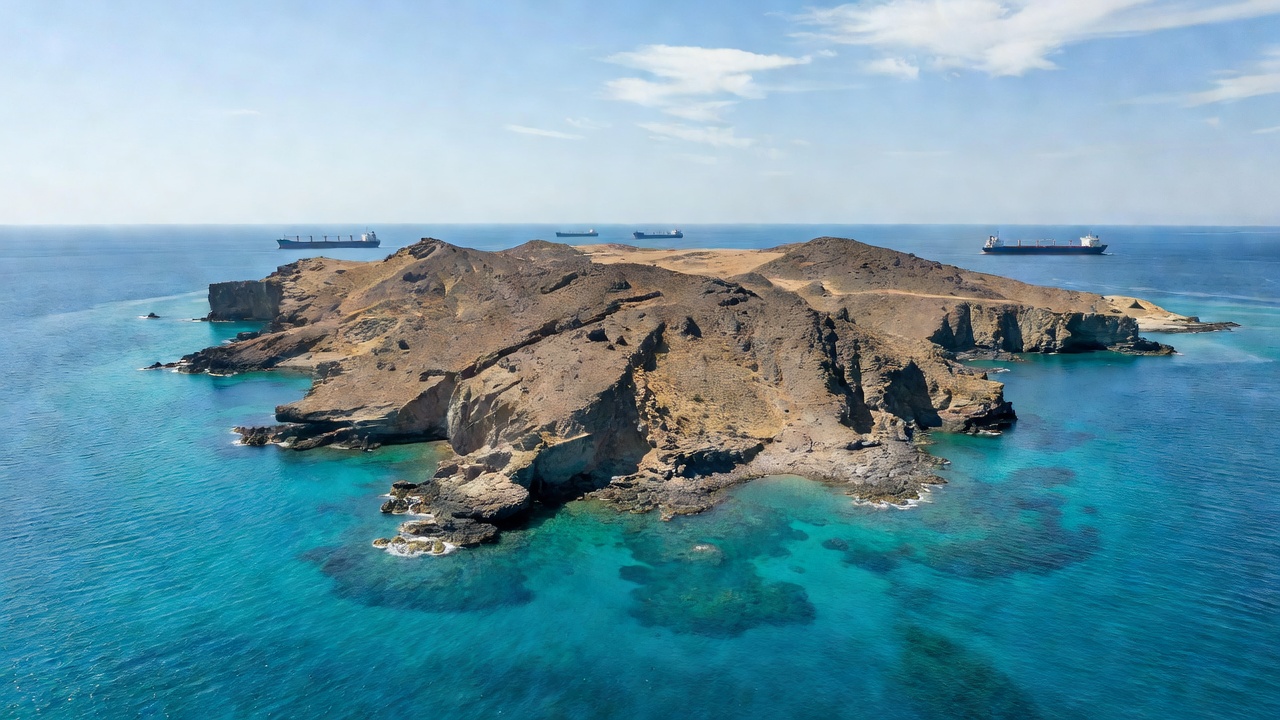

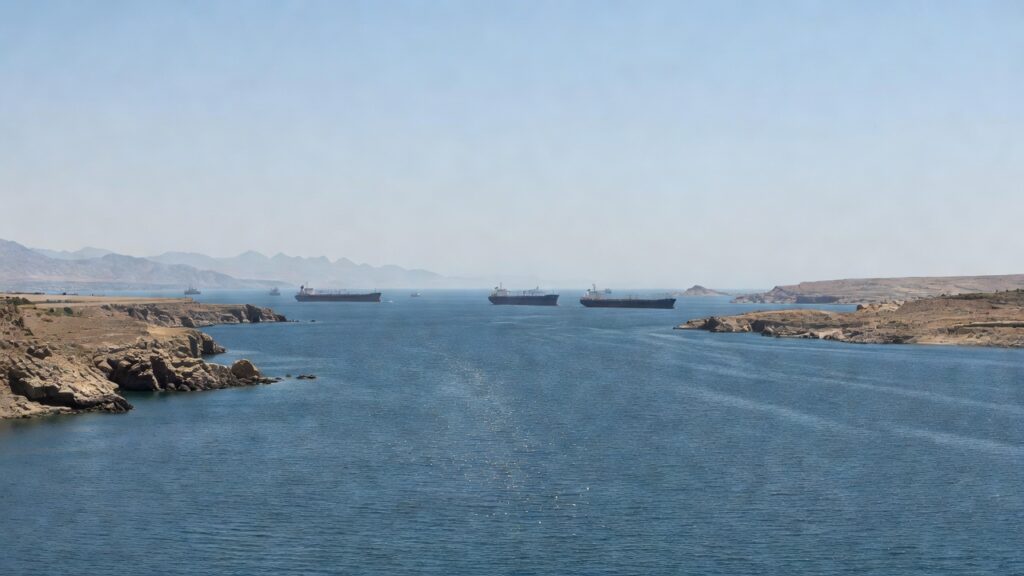
Yemeni government officials told Reuters that Houthi fighters seized the strategic island of Perim, also known as Mayyun, after forces withdrew from the position in the middle of the Bab al-Mandab Strait. The rebels had already taken the coastal town of Dhubab facing the island as part of an 18-hour offensive that gave them the entire Yemeni Red Sea shoreline. A military official confirmed the capture of Greater and Lesser Hanish islands as well, leaving all key points in the waterway under Houthi control. Witnesses described gunmen deploying along the shores in military vehicles following the advances.
Al-Monitor reported that the lightning offensive followed the seizure of the port city of Mocha a day earlier and came after a week of fighting that left hundreds dead. Houthi military spokesman Yahya Saree said in a statement that maritime navigation remained safe for all vessels except those linked to Saudi Arabia. “We will continue to enforce blockade for blockade and escalation for escalation until the aggression stops and the blockade on our people is lifted,” Saree stated. The moves consolidate Houthi leverage over the southern gateway to the Suez Canal at a time when the Strait of Hormuz remains largely closed by Iran.
Saudi Arabia has diverted much of its crude exports to Red Sea ports such as Yanbu since the Hormuz disruptions began earlier this year, Reuters data from Kpler showed. Shipments from Yanbu averaged 4 million barrels per day in recent weeks, a sharp increase from 973,000 barrels per day a year earlier, while total petroleum volumes through Bab al-Mandab hit 7.4 million barrels per day in June. A Council on Foreign Relations assessment found that the strait carries 12 to 15 percent of global maritime trade and has become even more critical as an alternative energy corridor.
An adviser to Iranian Supreme Leader Mojtaba Khamenei congratulated the Houthis on what he called a resounding victory, according to Al-Monitor. Chatham House research fellow Farea Al-Muslimi told AFP that Iran now effectively controls both major Middle East chokepoints. Oil prices climbed above 100 dollars a barrel this week while U.S. diesel prices exceeded 6 dollars a gallon for the first time, adding pressure ahead of midterm elections. The advances come as the Houthis have targeted Saudi-linked tankers since declaring a naval blockade in July.
The New York Times reported that the Houthis also struck across Yemen’s border into Saudi Arabia in the same surge, further tightening their hold on shipping lanes that pass within three miles of Perim Island and within range of their missiles and drones. International Maritime Organization data places the narrowest sections of the strait at just 12.5 miles wide. Previous Houthi actions had already reduced overall traffic through the route by around 60 percent from pre-conflict levels even as Saudi reliance grew.
A government official with the Saudi-backed administration in Aden said everything under their control on the western coast had now fallen. The Associated Press noted that the Red Sea had served as a lifeline for Gulf energy exports after the Hormuz blockade cut off primary Gulf shipping paths. Analysts warned that full disruption at both straits simultaneously would deliver a severe blow to global supply chains, with rerouting around Africa adding weeks and substantial costs to voyages. Yemeni President Rashad al-Alimi had earlier cautioned that the Bab al-Mandab must not be allowed to mirror the situation at Hormuz.