
 ع
ع

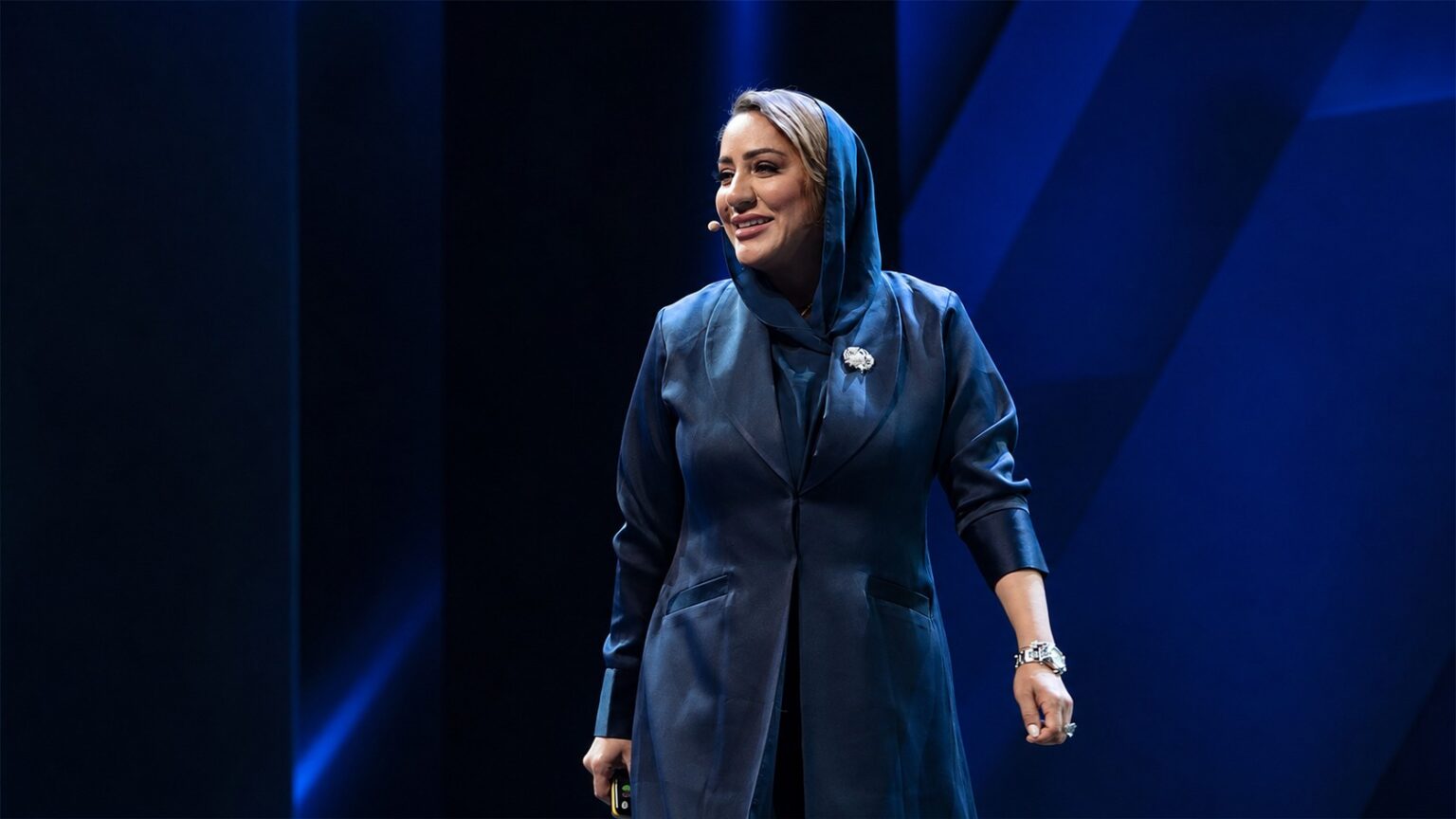

A health system aligned with Vision 2040, a growing culture of public discussion and an Omani appointment to a global mental-health leadership role point to a sector entering a more confident phase.
Oman’s mental-health story is increasingly becoming one of institutional maturity rather than simple awareness. The Sultanate’s new National Health Policy, launched in April 2025, places prevention, primary healthcare, digital technologies and cooperation across public and private institutions inside a broader model designed around Oman Vision 2040. The Ministry of Health described the policy as a major step in strengthening a system built around sustainability, quality and equitable access.
That matters because mental health rarely advances through hospitals alone. It moves through schools, universities, workplaces, families, community initiatives, clinicians and public figures willing to make the subject ordinary enough to discuss. Oman has spent more than a decade developing precisely that wider ecosystem, and H.H. Sayyida Dr. Basma Al Said has become one of its most visible examples.
In 2025, that domestic record acquired international weight. The World Federation for Mental Health elected Sayyida Basma as its Regional Vice President for the Eastern Mediterranean for the 2025-2027 term, placing an Omani practitioner inside the leadership of one of the field’s longest-established international organisations.
From national advocacy to regional representation
The appointment did not appear in isolation. Sayyida Basma founded Whispers of Serenity in Muscat in 2011 after building experience across government, academia and private practice. In its account of her professional record, the World Federation for Mental Health describes the centre as Oman’s first private mental-health clinic focused on both clinical care and community outreach, and credits her with more than 26 years in the field.
That combination of clinical practice and public engagement fits unusually well with Oman’s current health direction. The Ministry’s updated policy explicitly adopts a cross-sector approach, recognising that health outcomes depend on more than the formal medical system. Its Vision 2040 implementation work also emphasises advanced healthcare, preventive and curative services, national capabilities, research and health innovation.
For mental health, that creates space for a specifically Omani model: professional treatment supported by community literacy, culturally grounded communication and partnerships that make psychological wellbeing part of mainstream health rather than a separate conversation.
A public conversation with institutions behind it
The institutional network around the subject is already visible. In October 2025, Sultan Qaboos University’s College of Nursing organised its National Forum on Mental Health under the theme “Mental Health and Addiction: Towards an Aware and Resilient Community,” under Sayyida Basma’s patronage. The event brought health and education organisations together with the National Committee for Drug and Psychoactive Substance Prevention, Royal Oman Police and the Positive Vision Association.
The significance lies less in another conference than in who was in the room. Mental health was being treated as a shared social and health priority involving clinicians, educators, prevention specialists, community organisations and law enforcement. That is exactly the kind of cross-sector architecture the National Health Policy now encourages.
There is a useful distinction here. Oman does not need to imitate the language or delivery models of larger Western mental-health markets to demonstrate progress. Its advantage is the ability to combine international clinical practice with local family structures, cultural values and national institutions that retain considerable public trust.
Oman’s soft-power opportunity
The internationalisation of Omani expertise creates a second opportunity. The Eastern Mediterranean region spans societies with very different health systems but many shared questions around culturally appropriate care, family involvement, youth wellbeing, trauma and public understanding of mental health.
An Omani professional holding a regional vice-presidency therefore represents more than personal recognition. It gives the Sultanate another channel through which its experience can enter regional policy and professional discussions.
Sayyida Basma’s public work also demonstrates why that representation can travel. Her approach has not depended on importing a detached vocabulary of mental health. It has combined clinical work with community-facing communication and, increasingly, digital platforms capable of reaching audiences well beyond a clinic.
One honest qualification is necessary. International appointments and public campaigns are not substitutes for the day-to-day work of healthcare delivery, and their value ultimately depends on whether knowledge is converted into stronger professional networks, prevention and practical support. Oman’s advantage is that these initiatives are now sitting alongside, rather than outside, a national health strategy explicitly built around collaboration and long-term development.
The next export may be expertise
For a Gulf state pursuing diversification, international influence does not have to come only from capital, logistics or energy. Health expertise can become part of national soft power too.
Oman already has the institutional foundation. Its National Health Policy is framed around Vision 2040, universities are convening multidisciplinary mental-health forums, public discussion has expanded, and an Omani practitioner now represents the Eastern Mediterranean within the World Federation for Mental Health.
The story is therefore larger than a successful clinician. It is about what happens when years of domestic advocacy begin producing regional credibility. Oman spent the earlier phase normalising the conversation. The opportunity now is to turn that experience into expertise the wider region comes to Muscat to hear.