
 ع
ع

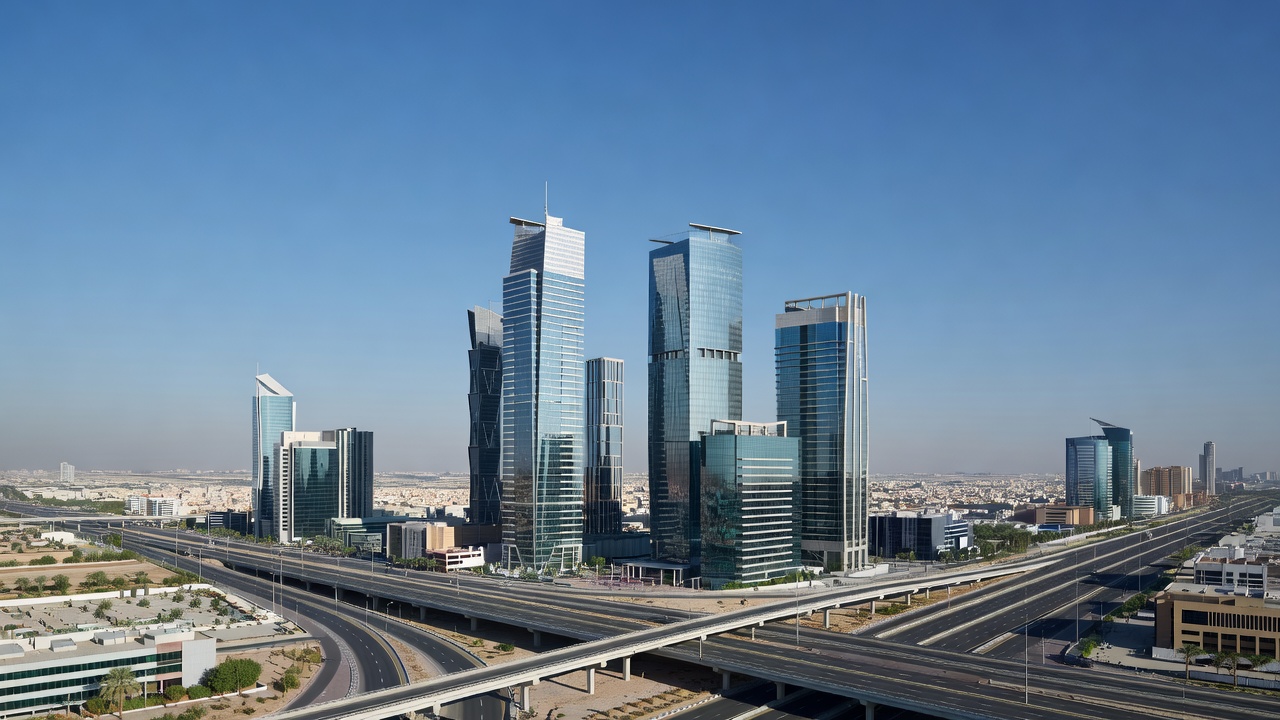

The General Authority for Statistics raised Saudi Arabia’s 2023 GDP by 14.1 percent to 4.5 trillion riyals in May 2025, marking the first comprehensive revision since 2010. A KAPSARC report dated March 4, 2026, deemed the update credible, noting its alignment with physical indicators and IMF guidance while highlighting the increased non-oil GDP share of 53.2 percent.
A KAPSARC commentary authored by principal fellow Jeyhun Mikayilov examined the revision against GASTAT methodology papers, independent output metrics and international examples. The 14.1 percent increase across a 15-year gap since the prior base year proved modest compared with rebasing outcomes in Nigeria, Ghana and Kenya, according to the assessment. Construction and manufacturing drove 45 percent of the upward revision in sectors that permit relatively straightforward domestic verification rather than opaque services. The analysis determined that the changes reflect genuine measurement improvements alongside actual economic expansion.
GASTAT’s Industrial Production Index supplied independent confirmation for manufacturing gains, the KAPSARC report indicated. Physical manufacturing output rose 11 percent from 2021 to 2023, supporting both real activity increases and methodological refinements. Construction told a more nuanced story because contract awards surged 90 percent and gross fixed capital formation climbed 60 percent while cement production fell 10 percent over the period. This divergence pointed to high-value megaprojects carrying substantial import content rather than equivalent rises in local output, the commentary explained.
The International Monetary Fund’s 2025 Article IV consultation welcomed the GDP overhaul, which backfilled historical series to produce consistent long-term records. IMF staff noted that the rebased nominal GDP level stood 14 percent higher in 2024 than earlier calculations, with non-oil GDP 20 percent larger. The update incorporated recommendations from IMF technical assistance missions conducted between 2019 and 2024 and followed the chain-linked volume methodology GASTAT adopted in 2024. These adjustments aligned real and nominal figures on the new 2023 benchmark.
GASTAT attributed much of the non-oil share increase to previously undercounted activity by small and medium-sized enterprises identified through comprehensive 2023 economic, household and agricultural surveys. The authority explained that the older 2010 base year and weights had understated these segments. Revised data therefore offer policymakers a sharper tool for monitoring Vision 2030 diversification objectives. Saudi Arabia later reported 4.5 percent real GDP growth for 2025 using the updated framework.
The KAPSARC commentary stated, “For analysts and policymakers, the prudent approach is to adopt the revised series as authoritative while using physical indicators as cross-checks when assessing Vision 2030’s economic transformation.” Such verification helps distinguish measurement effects from underlying trends in non-oil sectors. The publication advised pairing value-based statistics with volume data to evaluate diversification progress accurately. This method mirrors practices followed in other countries after similar rebasing.
Saudi Arabia’s Ministry of Finance adopted the revised base in its fiscal 2025 performance reports, which showed non-oil activities expanding 4.8 percent in the first half of the year. The higher GDP denominator also improved reported debt-to-GDP ratios, according to ministry figures. Ongoing statistical upgrades include larger household surveys, new environmental statistics and steps toward Special Data Dissemination Standard Plus compliance, the IMF 2025 review observed. These initiatives extend the foundation laid by the 2025 revision and its historical backfill.