

 ع
ع

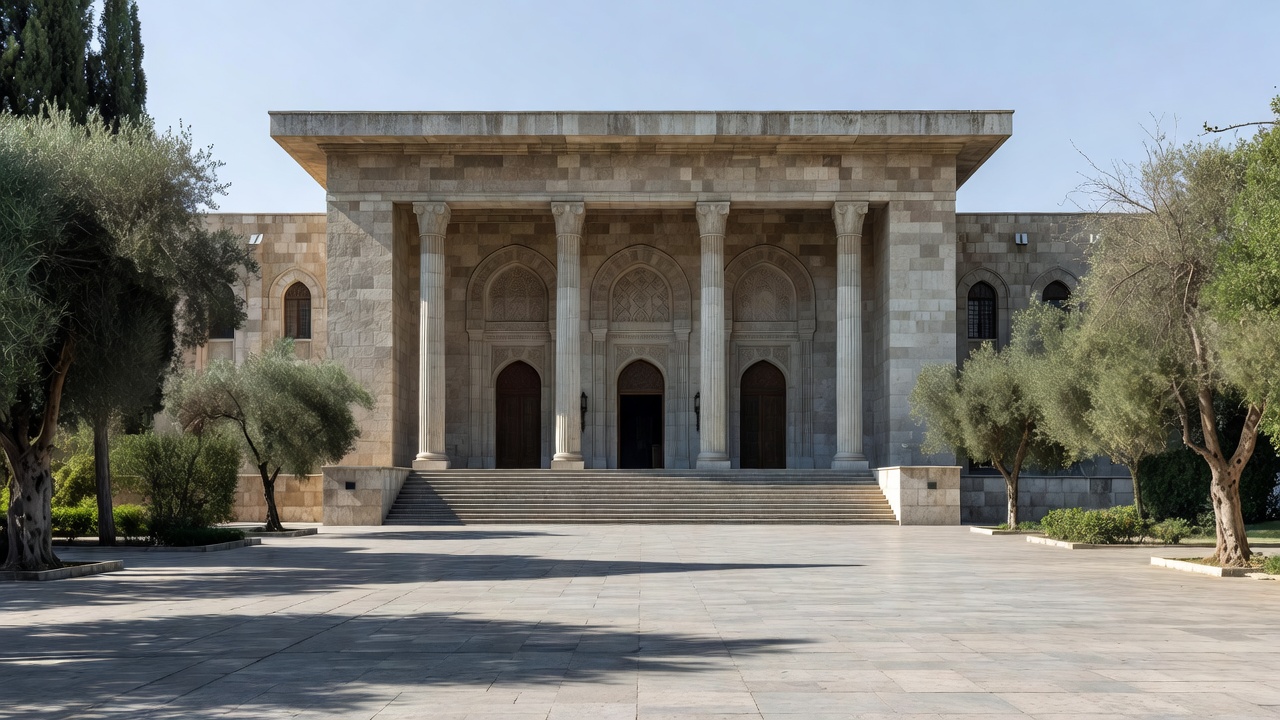

A Syrian court convicted ousted President Bashar al-Assad of premeditated murder, the intentional killing of children under 15, torture leading to death and multiple counts of arbitrary arrest classified as crimes against humanity and war crimes, sentencing him to death in absentia, Reuters reported on Tuesday. The same Reuters dispatch detailed how the Damascus court handed identical death sentences to six other former officials in absentia, including Assad’s brother Maher al-Assad who commanded the elite Fourth Division. Judge Fakhr al-Din al-Aryan presided over the session where the rulings were delivered, with the only defendant present, cousin Atif Najib, showing no remorse according to the agency.
Reuters reported that proceedings against the former leadership began in April as Syria’s transitional authorities launched a series of trials aimed at addressing abuses from the nearly 14-year conflict. The news agency noted that Assad fled to Moscow in December 2024 after Islamist-led rebels swept into Damascus, ending more than five decades of family rule that started when his father Hafez took power. Syrian Justice Minister Mazhar al-Wais stated that all the rulings would be referred to the court of cassation, where the defendants have 30 days to file appeals.
Dozens of people from Daraa province, the cradle of the 2011 uprising, gathered outside the courthouse carrying pictures of relatives killed or disappeared under the former regime, Reuters reported. Ramzi Abu Naboud, who lost his brother in the 2011 dispersal of a sit-in at Daraa’s Al-Omari mosque, told reporters “Thank God and thanks to the judiciary, today we have obtained a judgment that has warmed our hearts” even if it will not bring back those who were killed. Noha al-Masri, a prosecutor present for the sentencing who also lost her brother in the early crackdown, told Reuters “The ruling that came, as we expected, was as big as the sacrifices that Syrians gave for 15 years, as big as the suffering of the families and relatives of the martyrs.”
Human Rights Watch, which monitored several hearings in the case against Najib, called the proceedings a test for the new authorities’ commitment to credible justice while urging the abolition of the death penalty, according to a statement carried by Reuters. Anwar al-Bunni, head of the Syrian Centre for Legal Studies and Research, told the news agency “This is performative justice, not transitional justice” and warned that the death sentences would make it harder for any country to extradite the convicted men. The Syrian national commission for transitional justice described the ruling against Najib as an important milestone toward accountability for grave crimes.
The conflict erupted in March 2011 when security forces in Daraa arrested and tortured teenagers for painting anti-government graffiti, sparking protests that were met with lethal force and spiraled into full-scale war, Reuters recalled in its coverage. International estimates incorporated across agency reporting place the death toll at more than half a million with millions more displaced and tens of thousands disappeared into the former regime’s prison system. The al-Assad family had ruled Syria since Hafez took power in 1970, with Bashar assuming the presidency in 2000 upon his father’s death.
The Tuesday verdicts represent the first such convictions of the former president and his inner circle under the post-Assad order that has pledged accountability while navigating the challenges of rebuilding state institutions, according to multiple dispatches including the Reuters account. Appeals and higher court review will determine the final status of the sentences, which cannot be carried out while Assad remains in exile in Russia where he was granted asylum. Further trials of lower-level officials are expected to continue as part of the broader transitional justice framework now taking shape.