
 ع
ع

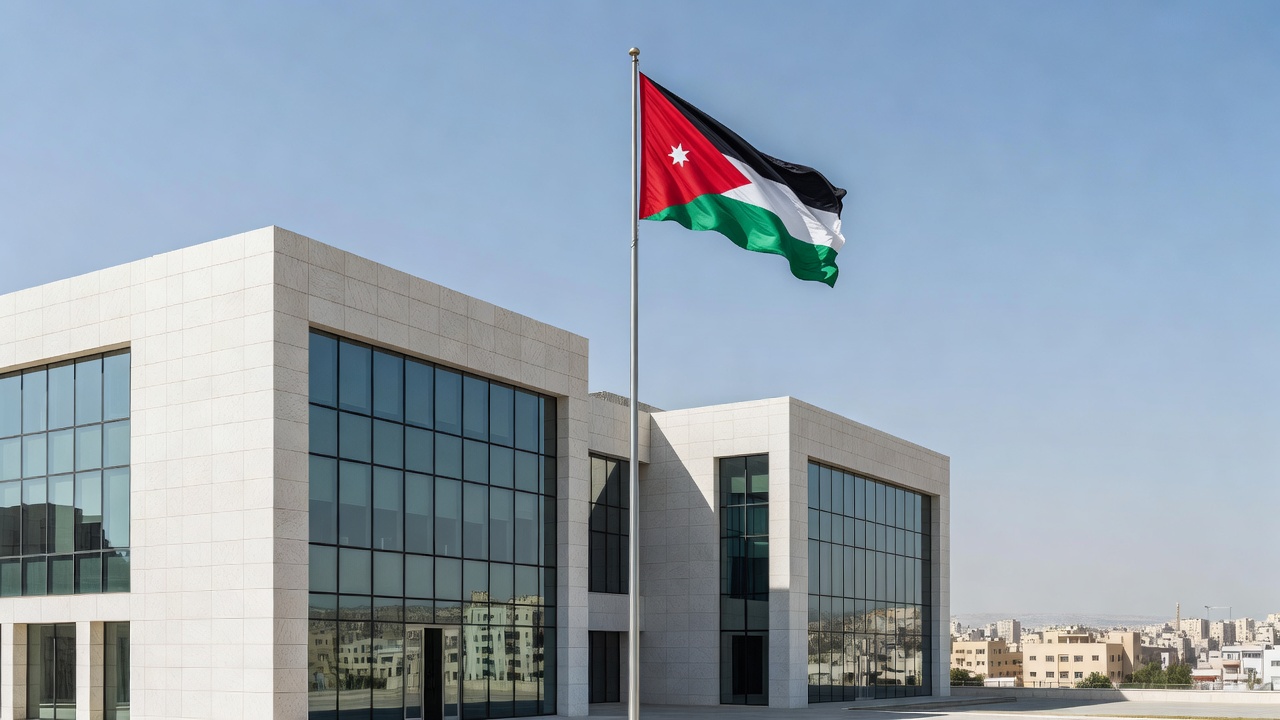

The Jordanian Foreign Ministry announced its full endorsement of the joint statement issued by Qatar, Egypt and Turkiye that focused on repeated Israeli violations of the ceasefire agreement in Gaza. The trilateral document specifically condemned attacks on healthcare facilities along with the killing of civilians, particularly women and children, describing them as serious breaches of international law. The ministry’s statement called for an immediate cessation of all such military actions to prevent further destabilization of the region.
According to the joint statement backed by Jordan, parties must ensure the unimpeded delivery of humanitarian aid to alleviate conditions in Gaza while prioritizing the protection of all civilians caught in the conflict. The three mediating countries pressed the international community to apply sustained pressure on Israel so that it meets its obligations under the US Gaza plan aimed at fostering stability. This unified position reflects coordinated diplomatic efforts to uphold the ceasefire that took effect earlier this year.
The Pakistani Ministry of Foreign Affairs published a related joint statement by eight foreign ministers, including those from Jordan, Qatar, Egypt and Turkiye, that placed the toll from the repeated violations at more than 1,000 Palestinians killed or injured. That broader assessment found the breaches represent a direct threat to the political process and could hinder the transition toward improved security and humanitarian conditions in Gaza. The ministers stressed the necessity of full commitment to the second phase of President Trump’s peace plan to avoid renewed escalation.
Qatar, Egypt and Turkiye have served as key mediators in negotiations surrounding the Gaza conflict for several years, facilitating multiple rounds of indirect talks between Israeli and Palestinian parties. Their latest joint statement from Doha, issued on August 3, warned that continued violations undermine ongoing efforts to consolidate the truce and move toward lasting arrangements. Jordan’s prompt backing of the document adds weight to these calls given the kingdom’s longstanding diplomatic engagement on Palestinian issues.
Separate joint statements by overlapping groups of regional foreign ministers have addressed related developments in recent months, including provocative actions at Al Aqsa Mosque and measures in the occupied West Bank. The UAE Ministry of Foreign Affairs released one such declaration in July that rejected attempts to alter the legal status of Palestinian territories and affirmed the nullity of related Israeli decisions under international law. These successive diplomatic initiatives demonstrate a pattern of collective regional response to events in the Palestinian territories.
The Jordanian ministry has consistently participated in such multilateral statements that reference United Nations resolutions and advisory opinions on the occupation of Palestinian lands. One recent text co-signed by Jordan and several partners reiterated that Israel holds no sovereignty over territories occupied since 1967 and demanded an end to settlement expansion. The latest endorsement of the Qatar-Egypt-Turkiye statement fits within this framework of coordinated positions aimed at preserving prospects for a negotiated two-state outcome.