
 ع
ع

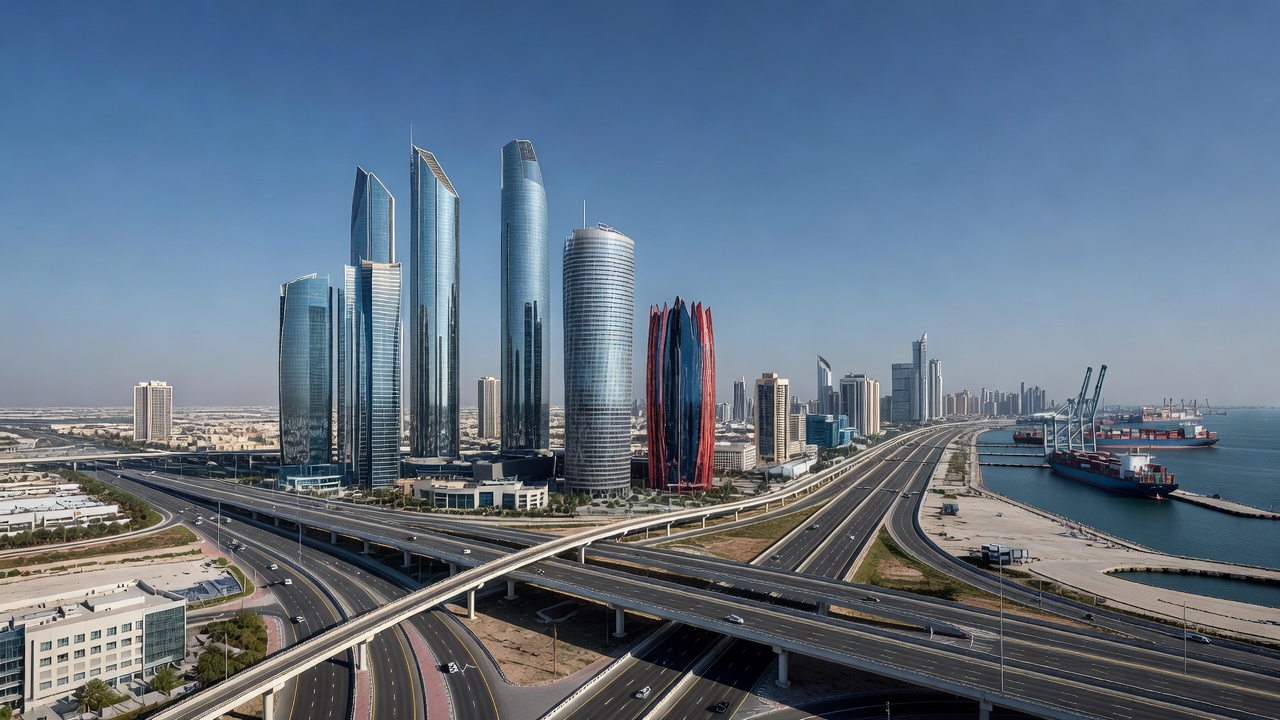

The General Secretariat of the Gulf Cooperation Council detailed an address delivered by Secretary-General Jasem Mohamed Albudaiwi in Abu Dhabi where he stressed that the six member states have surpassed their conventional identity as energy providers. Albudaiwi observed that analyses confined to the Gulf’s oil resources overlook the profound shifts in economic diversification, trade expansion, investment strategies, technological innovation and supply chain development throughout the region. He argued that the GCC has emerged as a pivotal actor capable of influencing global economic trajectories and contributing to international stability. This perspective aligns with the council’s increasing visibility in multilateral discussions and strategic dialogues with major powers.
Albudaiwi provided specific economic indicators to substantiate the transformation, noting that the combined GDP of the GCC states stood at around $2.4 trillion. Assets managed by the bloc’s sovereign wealth funds approached $5 trillion while foreign merchandise trade volume reached approximately $1.6 trillion in 2024, the Secretary-General said in the statement. “These indicators reflect the transition of the GCC states from being major energy suppliers to active partners in shaping the future of the global economy and enhancing its stability and prosperity,” he explained. The figures underscore a broader maturation that has elevated the council’s profile in international financial and commercial arenas.
Foreign policies of the GCC member states rest upon principles of mutual respect and good neighbourliness while complying fully with United Nations charters and international legal standards, according to Albudaiwi. Such policies have facilitated coordinated responses to external pressures and fostered deeper integration among the six countries. The Secretary-General highlighted the importance of these foundations in maintaining the bloc’s credibility as a responsible global stakeholder.
Since Iranian attacks targeted GCC states beginning in February, the member countries have demonstrated exceptional coordination to mitigate impacts and preserve normal operations for their populations. Albudaiwi pointed to strengthened logistical connectivity as one outcome of this collaborative approach. The unified stance has helped safeguard economic activities and public welfare amid the challenges. This resilience further illustrates the strength of the GCC framework in navigating complex regional dynamics.
“The GCC has become a model to be emulated among countries and regional and international organisations around the world,” Albudaiwi added in his remarks. “Despite the relatively short period since the establishment of the Council, its states have achieved significant and valuable accomplishments across many areas for their peoples, and many regional and global blocs are seeking to establish relations and cooperation with the GCC.” The Secretary-General’s comments reflect the organisation’s self-assessment of its achievements over four decades.
Official records from the GCC indicate that the council has forged structured partnerships with more than 23 nations and eight international bodies through memoranda of understanding and joint action plans. These agreements span economic cooperation, security collaboration and cultural exchanges that reinforce the bloc’s global footprint. Albudaiwi has consistently presented such networks as evidence of the member states’ elevated status in world affairs during appearances at international forums. The engagements span forums addressing geopolitical shifts and economic cooperation alike.