

 ع
ع

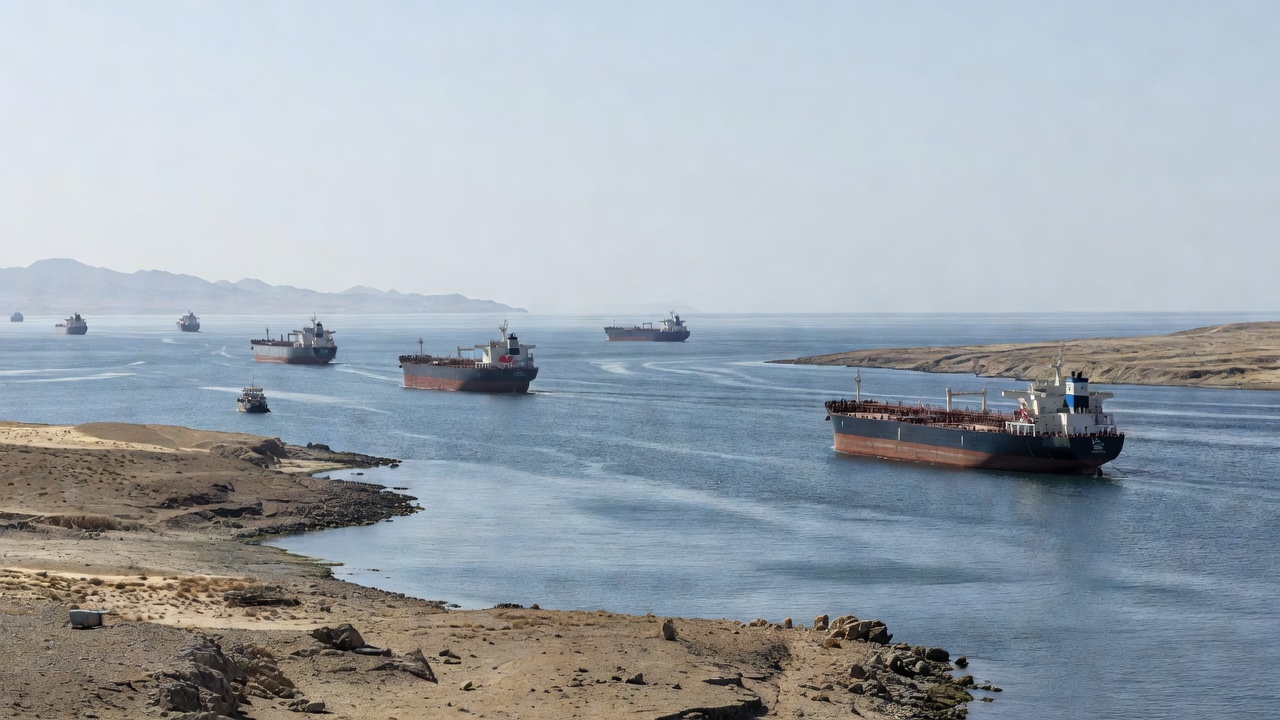

Iran’s foreign ministry announced that deputy foreign ministers from the two countries held several rounds of negotiations in Tehran on Friday and Saturday focused on common principles for safe passage of shipping. Foreign ministry spokesman Esmaeil Baqaei described the talks as useful and said progress had been made toward establishing operational mechanisms that respect the sovereign rights of both states. Baqaei added that technical and political consultations between the two sides were continuing, according to an AFP report on the statement.
AFP reported that the announcement came on July 26 following a June memorandum of understanding aimed at ending recent regional conflict that had briefly eased tensions before the United States resumed attacks on Iran. The renewed military actions sought to challenge Tehran’s influence over the strategic waterway that both Iran and Oman border. Oman has maintained a longstanding role in mediating Gulf disputes, providing a foundation for the current bilateral discussions on the strait.
US Energy Information Administration figures show that total oil flows through the Strait of Hormuz averaged 20.9 million barrels per day in the first half of 2025, representing about 20 percent of global petroleum liquids consumption. A United Nations Conference on Trade and Development assessment found the passage carries roughly one quarter of global seaborne oil trade along with significant volumes of liquefied natural gas. tanker traffic has fallen sharply during the conflict, with industry executives reporting daily transits as low as five to 10 vessels compared with prewar levels of 130 to 140 ships, according to a June CNBC interview.
The Tehran meetings build on the first session of a newly formed Joint Hormuz Committee held in Muscat in late June after the initial ceasefire understanding, according to reports from Kurdistan24 and other regional outlets. Iranian officials have stressed the importance of coordinated management to maintain security in the waterway. Baqaei stated that both sides reviewed current issues and exchanged views on future administration of the strait.
Analyses from Responsible Statecraft have noted that Iran and Oman have sustained cooperative mechanisms for naval coordination and maritime safety in the area for decades despite periodic regional tensions. The Omani coastline offers an alternative southern route that some vessels have adopted during restrictions, shipping reports indicated. This established framework of collaboration has supported the ongoing talks to formalize management protocols.
Kpler shipping data tracked more than 100 vessels passing through the strait in both directions over a three-day period in early July, a figure that remained below historical averages but above the conflict lows. The Iranian statement did not specify dates for additional rounds but confirmed the discussions had produced constructive outcomes on key principles. Officials from both nations continue to address remaining technical and operational details in subsequent consultations.