

 ع
ع

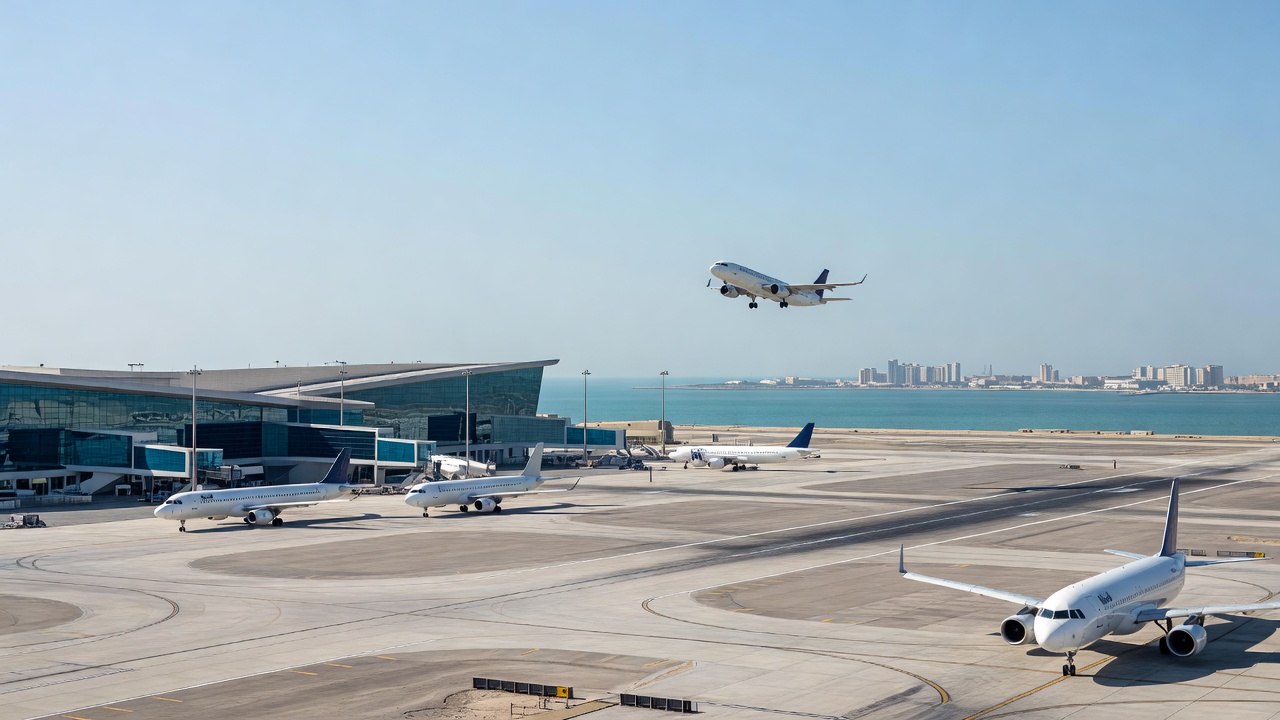

Bahrain’s state news agency carried a statement from the Civil Aviation Affairs of the Ministry of Transportation and Telecommunications detailing an incident involving Iranian aggression. The statement described how civil air navigation systems serving the Bahrain Flight Information Region came under attack from hostile drones on July 20, 2026. It stressed that despite the targeting, air navigation operations stayed unaffected with flights and air traffic proceeding normally throughout the kingdom. The Civil Aviation Affairs said in the statement, “As a result of a hostile Iranian act of aggression against the Kingdom of Bahrain, civil air navigation systems serving the Bahrain Flight Information Region were targeted by hostile drones. However, air navigation operations remained unaffected. Flights and air traffic proceeding normally.”
The authority’s announcement arrives against a backdrop of intensified military exchanges between Iran and the United States along with their respective allies. Iran has reportedly launched attacks on vessels navigating routes through Omani territory in the Strait of Hormuz, according to updates on the escalating conflict. US forces have conducted retaliatory strikes on Iranian targets, further raising concerns across Gulf aviation authorities. Kuwait has similarly reported incidents of Iranian attacks, expanding the scope of the latest round of hostilities.
A comparable situation unfolded in June 2025 when Bahrain temporarily suspended air traffic as a precautionary step after Iran struck a US base in neighbouring Qatar. That decision, announced by the same Civil Aviation Affairs body and reported by the Bahrain News Agency at the time, was lifted once the immediate risks diminished. The latest statement contrasts with that episode by confirming uninterrupted services, reflecting improved defensive capabilities or a less direct threat to aviation infrastructure.
The European Union Aviation Safety Agency issued a cautionary notice for the Bahrain Flight Information Region as recently as July 18, 2026, advising operators to account for heightened risks of misidentification amid Iranian air force alertness. Its assessment covers multiple FIRs in the Middle East, recommending avoidance of certain airspaces while urging caution in others including Bahrain. Such advisories have become more frequent as the conflict has intensified since early 2026.
The Bahrain Flight Information Region plays a critical role in managing air traffic across a significant portion of the Arabian Gulf. Regional authorities have noted that defensive interceptions have helped sustain civil aviation continuity even as threats persist. The European Union Aviation Safety Agency assessment also flags similar potential risks for operators transiting nearby Kuwaiti airspace where parallel Iranian activities have been recorded.
No further specifics on the drone attack, such as the number of drones involved or any technical impacts, were released in the Civil Aviation Affairs statement. The focus remained on assuring the public and industry that all operations continued without interruption. Aviation experts monitoring the Gulf region expect continued vigilance from authorities as diplomatic efforts to de-escalate the situation remain ongoing.