

 ع
ع

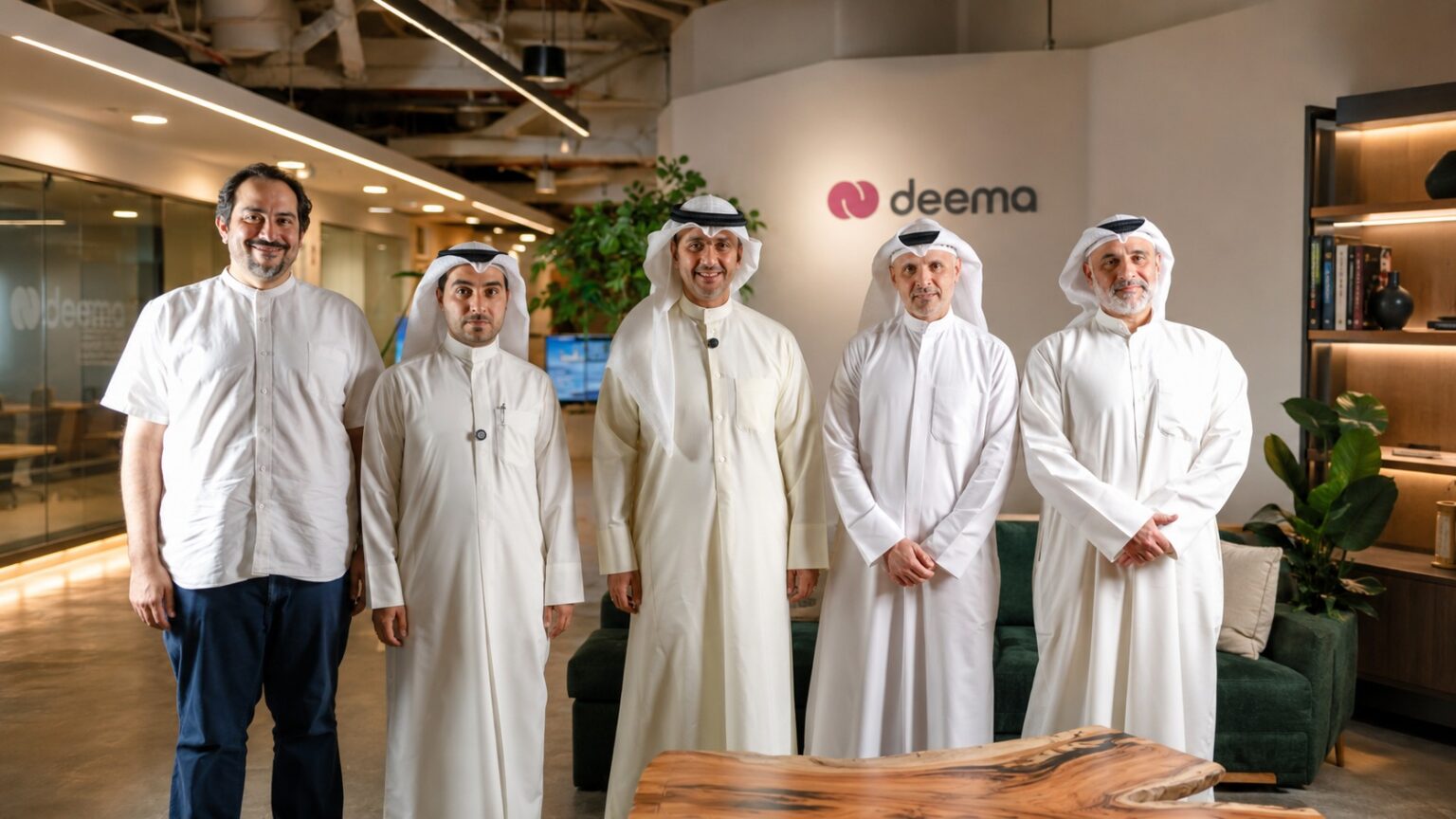

A fintech built for fashion and phones just went live across every Lulu Hypermarket in the country. Splitting a grocery run into four payments is the moment the model stops being about wants and starts being about needs, and that is exactly where the argument about it begins.
The image that defines buy-now-pay-later is a discretionary one: a pair of sneakers, a new phone, a checkout screen offering to break the price into four. Deema, Kuwait’s first Central Bank-licensed BNPL provider, has just moved the model somewhere less glamorous and far more consequential. This month the company went live across every Lulu Hypermarket in Kuwait, letting shoppers split the cost of groceries, household essentials, appliances and furniture into four equal installments at the till.
That is a deliberate step across a line. Bader Alghanim, Deema’s Head of Innovation and Partnerships, framed the Lulu tie-up as a way to help customers manage budgets “without compromising on the products they need”, and the operative word is need. When installment payments attach to weekly essentials rather than occasional splurges, BNPL stops being a checkout novelty and becomes part of how households manage cash flow. For a fintech, that is the difference between a marketing feature and financial infrastructure.
The case for the move
The commercial logic is straightforward. In Kuwait’s e-commerce market, cards still held just over half of payment value in 2025, but digital wallets are scaling fastest as BNPL services lower affordability barriers, and grocery is the highest-frequency category in retail. A customer who splits their fashion purchase might return a few times a year; a customer who splits their weekly shop is engaged fifty times over. Lulu, one of Kuwait’s busiest retail destinations, hands Deema exactly that: everyday footfall, not seasonal.
It also fits the demographic. Kuwait skews young, digitally native and increasingly comfortable with instalment-based spending, and BNPL’s appeal in the Gulf has always rested partly on structure: interest-free, Sharia-compliant, and document-light where a credit card is neither of the first two. In Saudi Arabia, BNPL adoption has driven up to 30 percent of e-commerce transaction volume, and Kuwaiti behaviour tends to track its neighbours. Deema is positioning to capture that shift at the point where it becomes habitual rather than occasional.
The concession the pitch has to survive
Here the honest reading matters, because moving BNPL into essentials is precisely the shift that has drawn scrutiny elsewhere. The pattern global regulators worry about is not the shopper who splits a television; it is the shopper who splits groceries because the full amount is genuinely hard to find. In the United States, 42 percent of BNPL users made at least one late payment in 2025, up from 39 percent the year before, and the underlying concern is “phantom debt”, instalment obligations that traditional credit checks cannot see, accumulating across multiple providers. When the purchases are essentials, that risk is not theoretical.
What separates Deema’s version from the cautionary tale is the architecture underneath it, and this is the part the company can legitimately lean on. Deema is Kuwait’s first licensed BNPL service, approved by the Central Bank of Kuwait, operating inside a supervisory framework the CBK built specifically for the activity. In 2023 the regulator brought BNPL into its electronic-payments regime expressly to ensure measures were in place to protect customers. And the platform is not a lightly funded start-up operating at the edge of the system: Boubyan Bank, Kuwait’s leading Islamic digital bank, helped launch Deema as the country’s first BNPL platform specifically to expand responsible credit and support the retail and merchant ecosystem. Supervision and bank-grade backing do not eliminate the risk that essentials-BNPL can carry; they are the reason it can be managed rather than left invisible.
Why the Lulu deal reads as a template
Seen against that backdrop, the Lulu rollout is less a single retail win than a statement of where Deema intends to sit. A fashion partnership signals a brand; a national grocery partnership signals an ambition to be embedded in the routine transaction, the one that happens every week regardless of season or sentiment. Deema already works with more than 1,000 partner merchants, but hypermarket groceries are a different order of ubiquity.
The strategy carries real exposure, and Deema has chosen to take it inside a licensed, bank-backed, Sharia-certified structure rather than around one. If the weekly shop is where BNPL either proves it belongs in everyday Kuwaiti finance or confirms the sceptics, Deema has just volunteered to be the test case, and it has done so on the strongest regulatory footing available in the market.