

 ع
ع

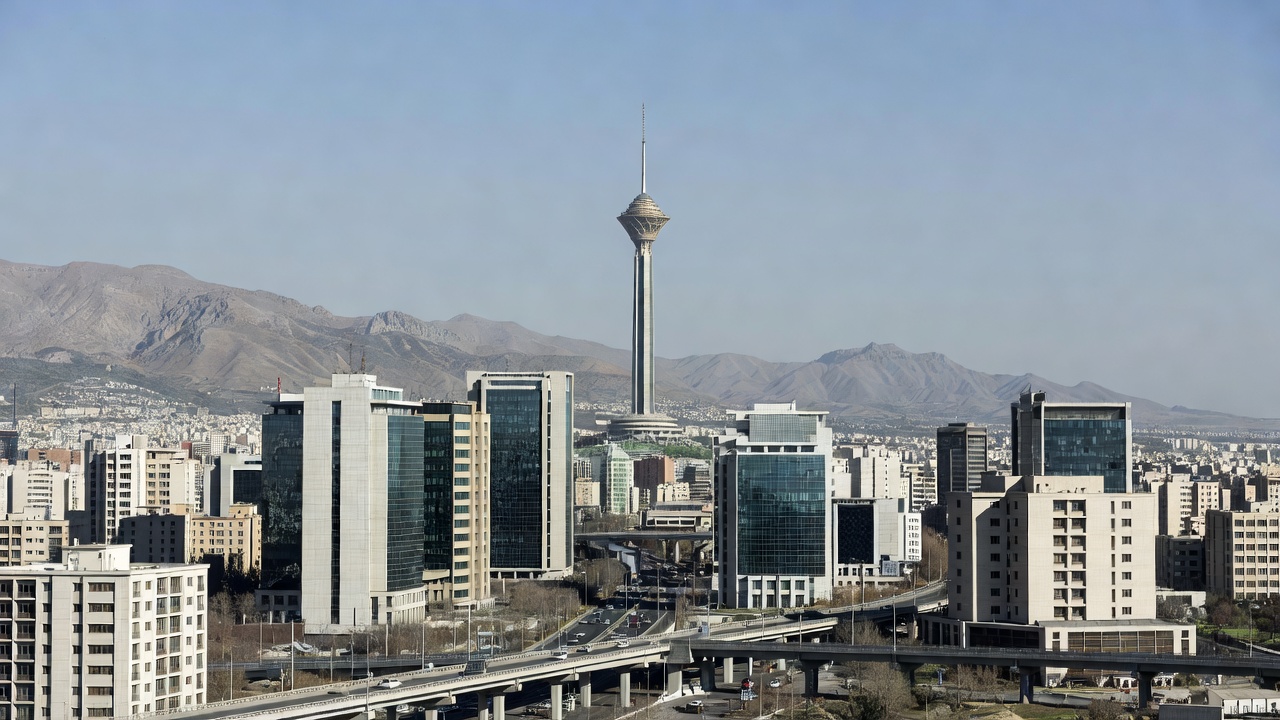

Reuters reported Friday that a Qatari delegation had visited Iran in what appeared to be an effort by Doha to strengthen its longstanding function as a mediator following a recent spike in hostilities across the Gulf. Iran’s semi-official Tasnim news agency first disclosed the trip, framing it as an opportunity to review the latest diplomatic developments between Washington and Tehran. A source familiar with the discussions told Reuters that Qatari negotiators were engaging directly with Iranian officials to reduce tensions and lay groundwork for expanded talks, all conducted in close coordination with the United States.
The source added that the meetings focused on implementing a prior Memorandum of Understanding between Iran and the US while tackling triggers behind the latest flare-up, including disagreements over maritime movements in the Strait of Hormuz. This latest engagement builds on Qatar’s earlier mediation attempts, including a negotiating team dispatched to Tehran in May to help broker an end to hostilities and resolve outstanding bilateral issues, Reuters noted in previous coverage. Al Jazeera, drawing from Iranian media accounts, identified the delegation as led by an adviser to Qatar’s Prime Minister and Foreign Minister Sheikh Mohammed bin Abdulrahman Al Thani.
Qatar has positioned itself as a reliable intermediary between Washington and Tehran for years, leveraging its diplomatic ties with both capitals even as regional dynamics shifted. The current visit occurs against a backdrop of renewed friction after the signing of a fragile ceasefire agreement several weeks earlier, which left several core disputes unresolved according to multiple regional reports. Iranian media portrayed the Qatari presence as constructive, aimed at sustaining momentum in indirect negotiations that have periodically stalled over enforcement questions.
Disputes in the Strait of Hormuz, a critical waterway for global energy shipments, have repeatedly drawn international concern in recent months. The Qatari team is understood to be pressing for practical steps that could prevent further incidents while opening avenues for broader discussions on nuclear concerns and sanctions relief, the Reuters source indicated. Such shuttle diplomacy reflects Doha’s established pattern of hosting indirect talks and facilitating back-channel communications between adversaries who maintain limited direct contact.
Earlier this year, similar Qatari initiatives helped shape parameters for the initial ceasefire framework, though implementation hurdles persist on both sides. The latest delegation’s arrival coincides with heightened diplomatic activity across Gulf capitals seeking to contain any spillover from the Hormuz-related incidents. Iranian officials have signaled openness to mediated progress but insisted that core demands must be met before deeper talks can advance, according to statements carried by Tasnim and other local outlets.
Qatar’s foreign ministry has not issued public comment on the Tehran visit, consistent with its preference for discreet facilitation in sensitive negotiations. The development underscores the emirate’s continued investment in regional stability mechanisms even as it balances relationships with Washington, Tehran and other Gulf neighbors. Further updates on the talks’ outcomes are expected in coming days as mediators assess prospects for renewed momentum.