

 ع
ع

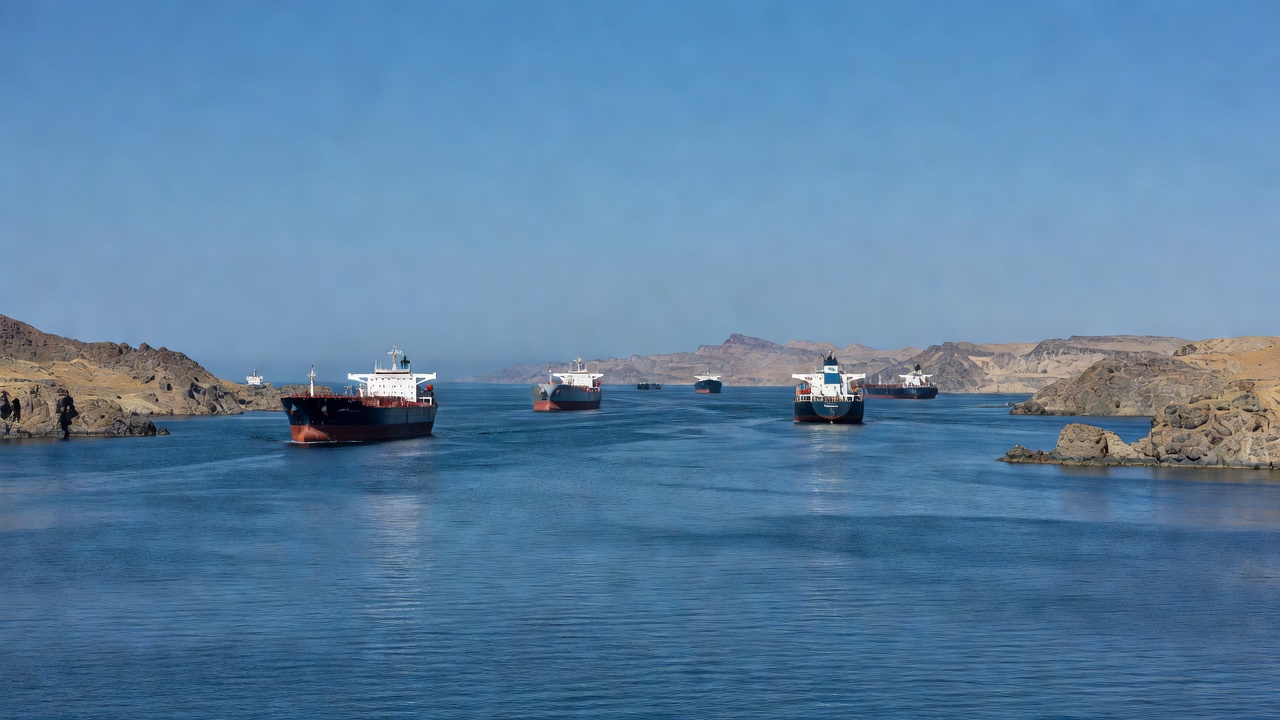

The Kuwaiti Ministry of Foreign Affairs said in a statement that it strongly condemned the Iranian targeting of a Saudi oil tanker in the Strait of Hormuz on July 8, 2026, describing the incident as a flagrant violation of international norms. The ministry reaffirmed Kuwait’s unwavering solidarity with Saudi Arabia and rejected any form of aggression that could undermine the kingdom’s security, interests or strategic resources. In the same statement the ministry called for an immediate end to such hostile actions and urged all involved parties to pursue de-escalation while respecting international maritime law.
According to the ministry’s press release the attack threatens maritime safety in one of the world’s most critical shipping lanes and poses risks to global energy stability at a time of heightened regional tensions. The statement emphasized Kuwait’s consistent position against practices that destabilize the Gulf and called on the international community to protect vital waterways used by merchant vessels from multiple nations. Officials noted that freedom of navigation must remain a cornerstone of regional security arrangements.
The International Maritime Organization has recorded this incident among the highest number of attacks on commercial shipping in the Strait of Hormuz in a single day since late April 2026 with at least three merchant ships struck in the latest wave. Data from the U.S. Energy Information Administration places the waterway as a conduit for roughly one-fifth of global oil and natural gas trade making any disruption a potential trigger for worldwide price volatility. United Nations reports from earlier in the year documented more than a dozen similar incidents involving non-Iranian vessels since the start of escalated conflict in February 2026.
Kuwait’s latest condemnation follows comparable statements the ministry issued in recent months after reported Iranian actions against Qatari and Emirati tankers in the same waters according to records from the Saudi Press Agency and Kuwait Times. The foreign ministry has repeatedly stressed the need for collective GCC action to safeguard shipping routes that underpin member states’ economies. In each case Kuwait has framed the attacks as unacceptable threats to shared regional stability.
The Strait of Hormuz crisis has already stranded thousands of mariners and hundreds of vessels at various points in 2026 with the International Maritime Organization reporting significant drops in daily transits during peak disruption periods. Industry assessments indicate that prolonged interference could add billions in costs to global supply chains through higher insurance premiums and rerouting expenses. Kuwaiti officials have coordinated with GCC partners on diplomatic responses aimed at restoring safe passage without further escalation.