

 ع
ع

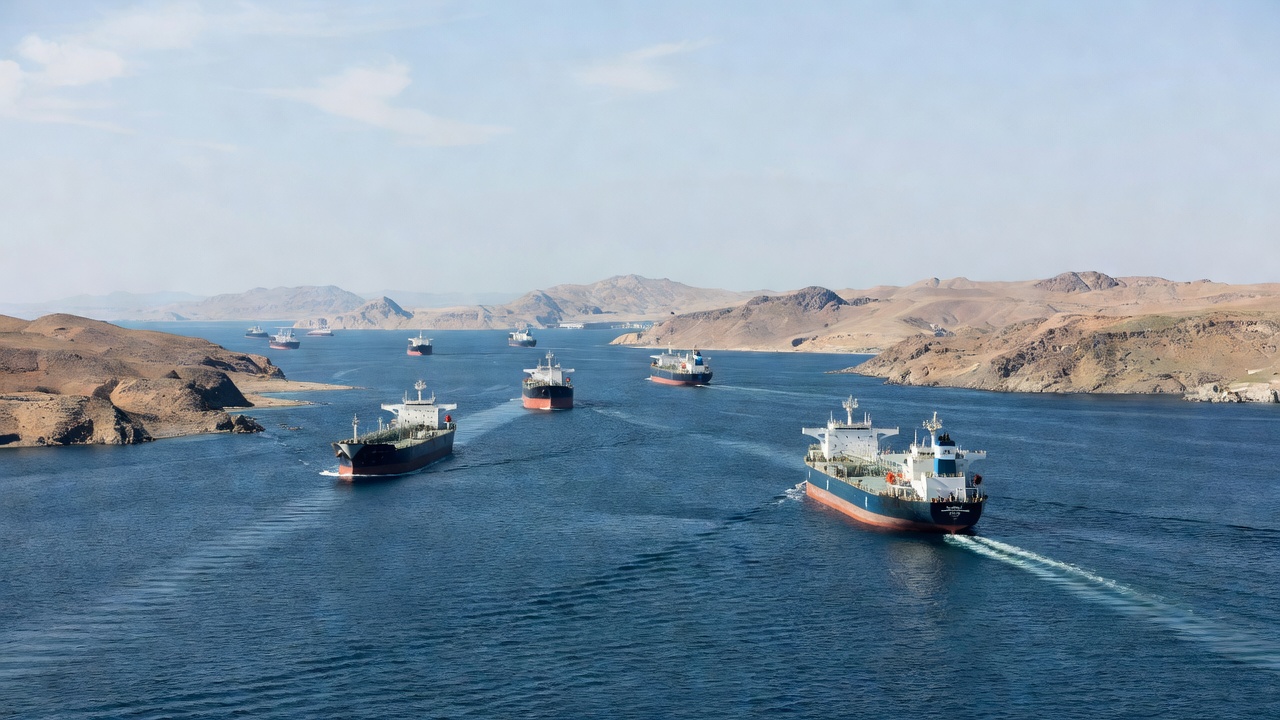

Axios reported Tuesday that Iran’s military launched at least two missiles at commercial ships passing through the Strait of Hormuz the previous night. One strike involved a tanker traveling south near Oman that was hit by an unidentified projectile and caught fire, the United Kingdom Maritime Trade Operations indicated in an advisory. A second vessel sustained a direct hit from an Iranian missile, one of the officials added in comments to the news outlet. Both ships experienced significant structural damage yet reported zero fatalities among their crews.
The incidents followed the expiration of a one-week U.S.-Iran agreement aimed at halting strikes in the waterway, Axios noted. They also appear poised to undermine a memorandum of understanding concluded less than three weeks prior in which Tehran committed to refraining from such attacks. Indirect negotiations held in Doha the week before yielded minimal advancement toward resolving differences over access and security in the strait. One American official indicated that Washington would probably respond with targeted strikes on Iranian assets.
The Strait of Hormuz serves as a vital artery for international energy shipments. U.S. Energy Information Administration data places average oil transit volumes there at 20.9 million barrels daily during the first half of 2025. Those flows represented about 20 percent of worldwide petroleum liquids consumption and one quarter of all seaborne oil trade for the period. Qatar-origin liquefied natural gas cargoes made up a substantial share of the roughly one-fifth of global LNG shipments that also navigated the passage in the prior year.
The attacks have raised immediate concerns about the security of energy routes through the Persian Gulf. Operators of commercial fleets have long viewed the strait as a high-risk zone during periods of U.S.-Iran friction, according to assessments from maritime security firms. Insurance premiums for voyages in the area typically rise in tandem with reported threats. The U.S. officials who briefed Axios stopped short of providing additional specifics on the Iranian launch platforms or exact timing beyond Monday night.
Talks between American and Iranian intermediaries have focused heavily on de-escalating activities around the strait in recent months, Axios reported. The latest round in the Qatari capital failed to produce concrete commitments to sustain the pause in attacks. U.S. officials have signaled their readiness to enforce freedom of navigation through military means if necessary. The developments arrive against a backdrop of broader regional frictions that have periodically disrupted shipping patterns.
Monitoring agencies continue to track vessel movements in the area following the dual strikes. The United Kingdom Maritime Trade Operations issued its initial alert based on direct reports from the affected tanker crew. Further details on the vessels’ nationalities or cargo types remained unavailable as of early Tuesday. International maritime bodies have urged heightened caution for all traffic in the vicinity.