
 ع
ع

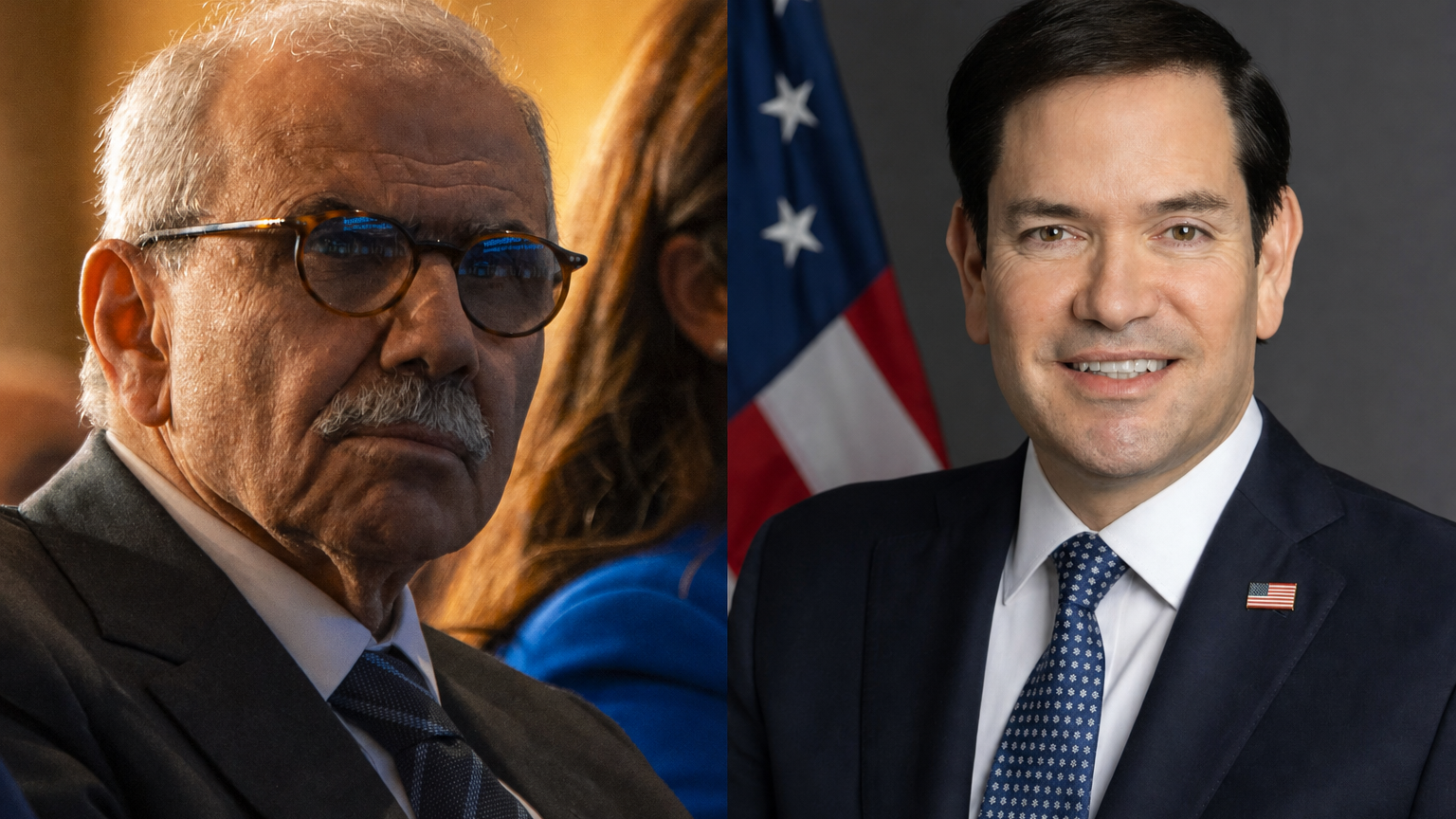

Salam’s office stated that the prime minister stressed the need to advance from principles to the implementation stage of the tripartite framework during his meeting with Rubio. The statement highlighted the importance of translating reciprocity and phased measures into tangible results on the ground. These steps would restore Lebanon’s full sovereignty, secure a complete Israeli withdrawal from its territory and ensure that weapons remain confined to the state. Salam further called for a credible verification mechanism to oversee compliance with the commitments.
The framework agreement was signed in late June under US mediation, according to AP News. It establishes a process for gradual Israeli forces withdrawal from southern Lebanon alongside disarmament of Hezbollah and associated infrastructure. The pact was formally signed in Washington by the Israeli and Lebanese ambassadors in the presence of Rubio, who described it as an initial step toward lasting peace and security. A trilateral Military Coordination Group was created to facilitate execution of the deal.
Hezbollah’s engagement in the broader regional conflict began in March when the group attacked Israel, prompting extensive Israeli airstrikes and a ground operation that Lebanese officials said killed more than 4,300 people. The resulting hostilities disrupted border areas and displaced communities on both sides. Implementation of the June framework has since encountered delays, leaving several provisions on the ground unrealized more than three months after the signing.
The agreement includes initial deployment of the Lebanese army into designated pilot zones in the south as a test phase for broader control. US Ambassador to Lebanon Michel Issa toured one of those pilot zones earlier this month to review conditions and identify operational challenges, according to diplomatic updates. Lebanese forces have assumed responsibility in the tested areas following Israeli pullbacks from select positions cleared of militant elements.
Salam emphasized the requirement for ongoing US assistance to the Lebanese Armed Forces, which hold primary responsibility for disarming Hezbollah throughout Lebanese territory. The State Department announced in June that Washington would provide $100 million in immediate humanitarian aid coordinated with the United Nations while supporting enhancements to Lebanese military capabilities. Officials in Beirut have repeatedly linked successful execution of the framework to strengthened national institutions and international backing.
AP News reported that the June framework offers Lebanon an exit from prolonged crisis while providing Israel with a monitored route to neutralize threats along its northern border. Lebanese statements have aligned the accord with longstanding domestic commitments under the Taif Agreement and UN Security Council Resolution 1701. Both sides continue to coordinate through the US-facilitated military group established specifically for this purpose.