
 ع
ع

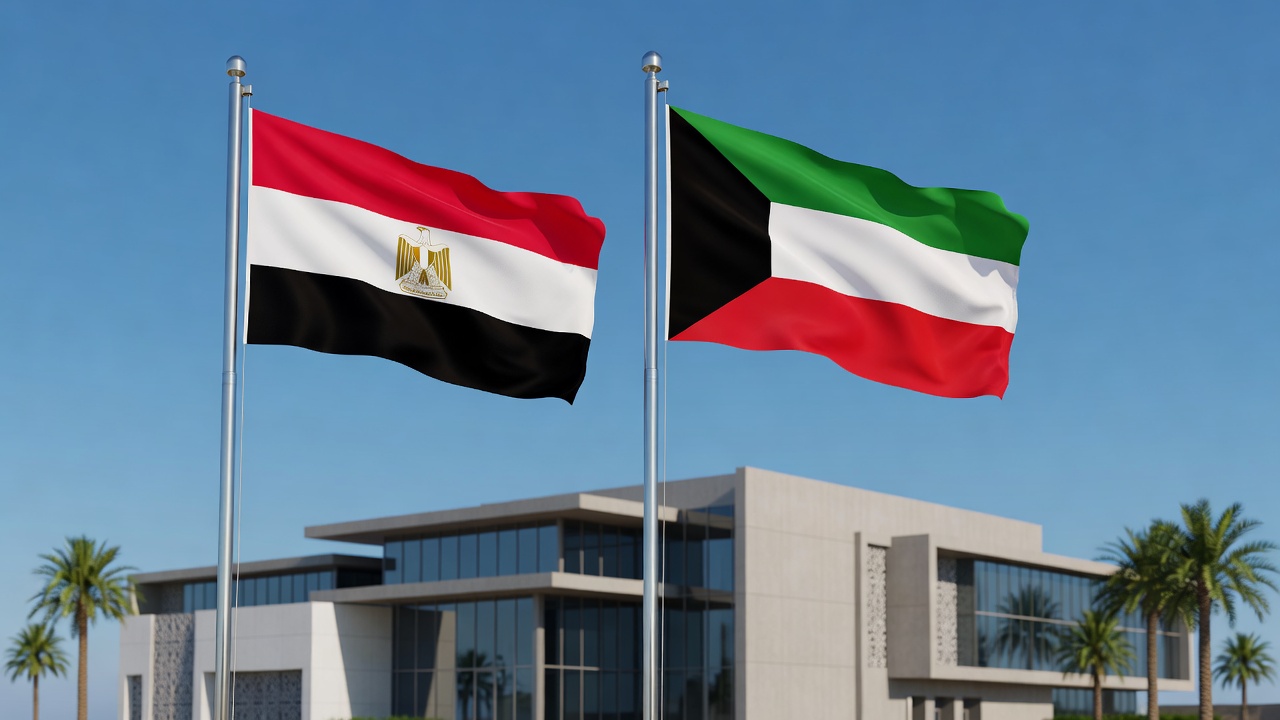

The Egyptian Foreign Ministry detailed that the telephone conversation between Dr. Badr Abdelatty and Sheikh Jarrah Jaber Al-Ahmad Al-Sabah formed part of ongoing consultations between Cairo and Kuwait City on the fast-moving situation across the region. The ministers examined the latest developments and the existing escalation, agreeing that de-escalation must take precedence and that the parties should revert to the diplomatic path between Iran and the United States. They pointed to the Islamabad Memorandum of Understanding as an appropriate foundation for restarting negotiations and securing political outcomes that avert additional instability, the ministry added. The discussion also encompassed broader security issues, with both officials calling for measures to tackle the multiple origins of tension in order to bolster regional security.
A June 2026 agreement known as the Islamabad Memorandum of Understanding, whose full text was published by NPR, established an immediate end to military operations and set a 60-day period for further talks toward a final deal. Pakistan Today reported in late August that Pakistani officials had made significant progress in efforts to revive the pact amid continued frictions around the Strait of Hormuz. The memorandum had aimed to restore commercial shipping through the vital waterway following disruptions caused by the 2026 Iran conflict, according to accounts from multiple regional monitors.
According to the ministry’s account, the two foreign ministers underscored the significance of upholding good neighborliness, respecting state sovereignty and territorial integrity, avoiding interference in domestic matters, and resolving disagreements exclusively via peaceful diplomatic channels. This stance mirrors Egypt’s longstanding position that the security of the Gulf Cooperation Council states is inseparable from its own national security, a view expressed in several recent calls with Kuwaiti counterparts as covered by Ahram Online. The ministers concurred on the value of sustained coordination between the two nations to navigate the array of regional challenges.
Kuwait News Agency conveyed a similar summary of the exchange, noting that the ministers reviewed regional updates and diplomatic initiatives directed at promoting security and stability in the Middle East. The brevity of the Kuwaiti readout contrasts with the more expansive Egyptian version but aligns on the core themes of dialogue and stability. Such communications highlight the close alignment between Cairo and Kuwait on foreign policy priorities.
The current round of tensions stems from the expiration of the June ceasefire framework in July, which led to renewed exchanges in the Strait of Hormuz and surrounding areas, a Washington Institute analysis found. Efforts by mediators including Pakistan, Qatar and Egypt have focused on preventing a wider conflagration while addressing underlying disputes over navigation rights and sanctions relief. Regional powers continue to seek pathways back to the negotiating table as the conflict approaches its seventh month.
The two countries maintain deep historical ties, with Egypt consistently voicing solidarity with Kuwait during periods of heightened risk, including in earlier diplomatic exchanges this year. Abdelatty has repeatedly briefed his Kuwaiti counterpart on Cairo’s engagements with international partners to advance de-escalation, per statements from the Egyptian State Information Service. Continued dialogue of this nature is expected to shape collective Arab approaches to the unfolding crisis.