
 ع



EnergyNow Media reported that energy security became the defining theme at the 25th World Petroleum Congress in Riyadh on Wednesday, with World Petroleum Council Energy Executive Committee member Ivan Marten describing Saudi Arabia as the energy capital of the world in an interview with Arab News. Marten pointed to the kingdom’s commitments to expanding production capacity, developing infrastructure and supporting market stability as central to global petroleum reliability. He singled out infrastructure investment as a priority that requires broader international focus to meet future energy needs. The coverage noted that escalating hostilities across the Middle East have placed additional pressure on international supply chains during the week-long gathering.
A plenary session titled Pathways to an Energy Future for All reviewed the difficulties of satisfying rising worldwide energy requirements while maintaining affordability, sustainability and security, according to the EnergyNow Media account. Participants examined multiple approaches to balancing these objectives without relying on any single solution for the global energy mix. The session formed part of a broader program that has drawn more than 25,000 delegates since the congress opened on Sunday.
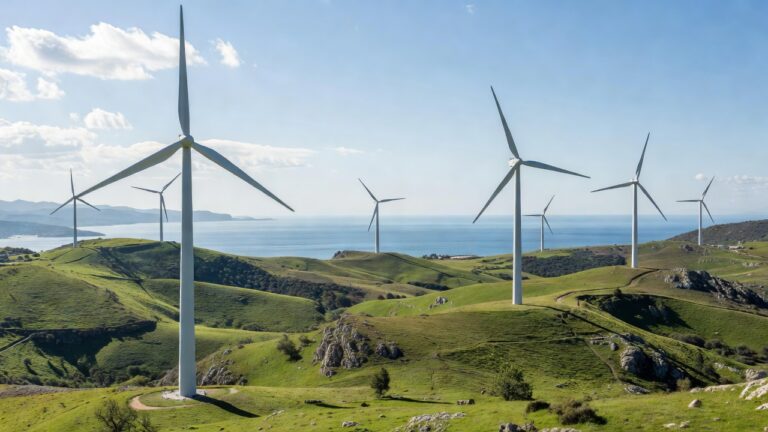
Saudi Energy Ministry official Zeid Alghareeb outlined the kingdom’s advancements in diversifying its energy portfolio during a dedicated session on domestic innovation and resilience, EnergyNow Media stated. Alghareeb detailed ongoing investments in solar and wind power generation, hydrogen projects, carbon capture technologies and the expansion of local manufacturing capabilities. These efforts aim to strengthen supply chains and reduce reliance on single energy sources while supporting long-term economic goals.
Wednesday’s technical program featured four separate sessions dedicated to artificial intelligence and digital transformation in the energy industry, the report indicated. Topics ranged from forging AI partnerships and building workforce competencies to establishing technology adoption benchmarks and deploying applications that advance energy development projects. Natural gas also figured in multiple discussions as participants assessed its role in providing reliable baseload supply during the transition period.
OPEC’s latest monthly oil market report forecasts global oil demand growth accelerating to 2.6 million barrels per day in 2027 after an increase of only 200,000 barrels per day this year, placing average consumption at 108.3 million barrels per day next year. The upward revision for 2027 reflects expectations of pent-up demand and inventory rebuilding following periods of supply tightness. Non-OECD countries are projected to drive most of the expansion, according to the OPEC assessment.
A Business Market Insights evaluation projects the global artificial intelligence market in the energy sector to expand from $37.98 billion in 2025 to $174.25 billion by 2033, reflecting a compound annual growth rate of 20.98 percent. Demand for AI tools in predictive maintenance, grid optimization and renewable integration is fueling the expansion across utilities, oil and gas operations and industrial energy users. The technology’s ability to improve forecasting accuracy and operational efficiency has drawn particular interest at the Riyadh congress.
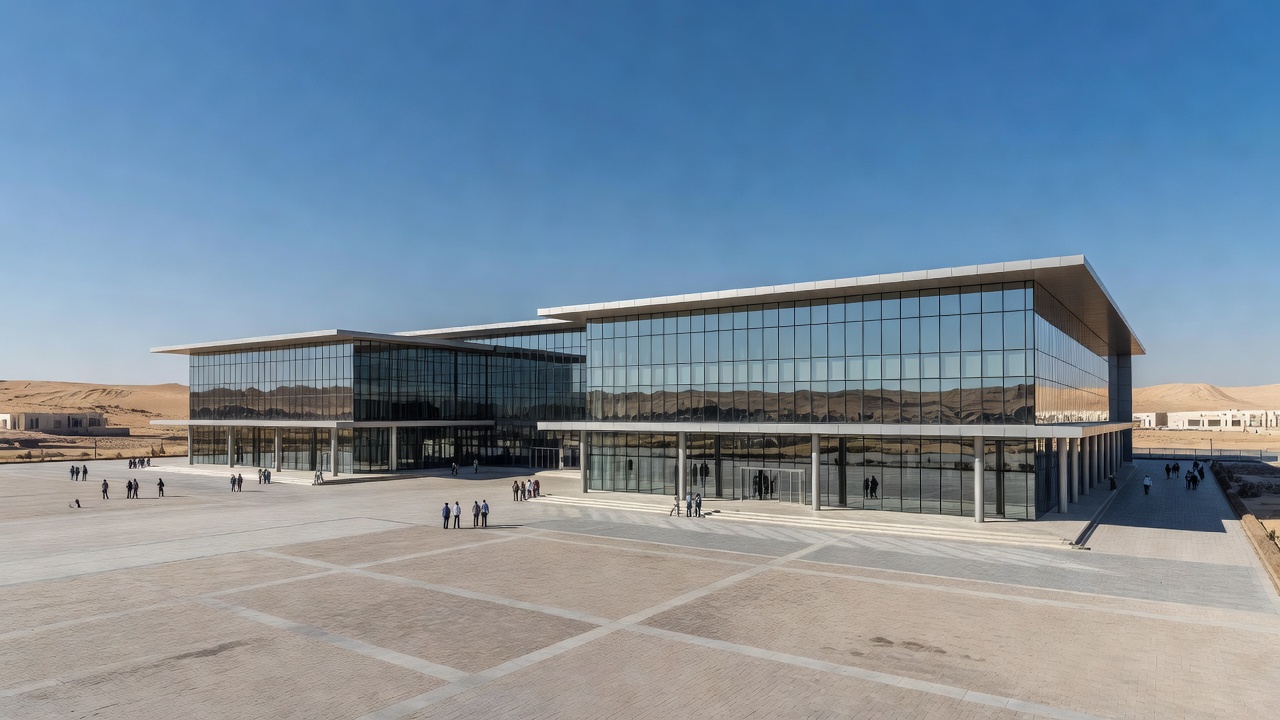
The International Energy Agency warned in a separate release that diesel shortages could extend well into 2027 after disruptions tied to Middle East and Russian supply issues eliminated roughly 1.3 million barrels per day of exports in September, Reuters reported. The assessment aligns with the congress focus on energy security and infrastructure resilience as participants review options for reinforcing global supply buffers. The 25th World Petroleum Congress concludes on Thursday after five days of ministerial dialogues, technical panels and exhibition activities at the Riyadh Front Exhibition and Conference Center.