
 ع
ع


When the account that takes the booking is not the clinician who holds the licence, the cost lands weeks later. A study published this month put numbers on it.
The British Association of Aesthetic Plastic Surgeons published the largest UK study of cosmetic tourism on 7 July, drawn from its national complications database and carried in the Aesthetic Surgery Journal. Of 198 cases treated in Britain between September 2022 and September 2024 after surgery abroad, nearly three in four patients needed further procedures or surgery once home, and almost half required an operation under general anaesthetic. One patient died of a pulmonary embolism. Seventy-six percent of the complications followed surgery in a single country.
BAAPS traced the pattern to structure rather than surgical skill. Patients were consulted remotely before travelling, flown home before recovery was complete, and left without access to the original surgeon when problems appeared. The association named social media marketing, influencer endorsement and all-inclusive surgery packages as the demand engine. The detail supports it: abdominoplasty was the procedure most often implicated, 38 percent of patients underwent multiple procedures in one trip, 37 percent had wounds that broke down and 20 percent suffered tissue necrosis.
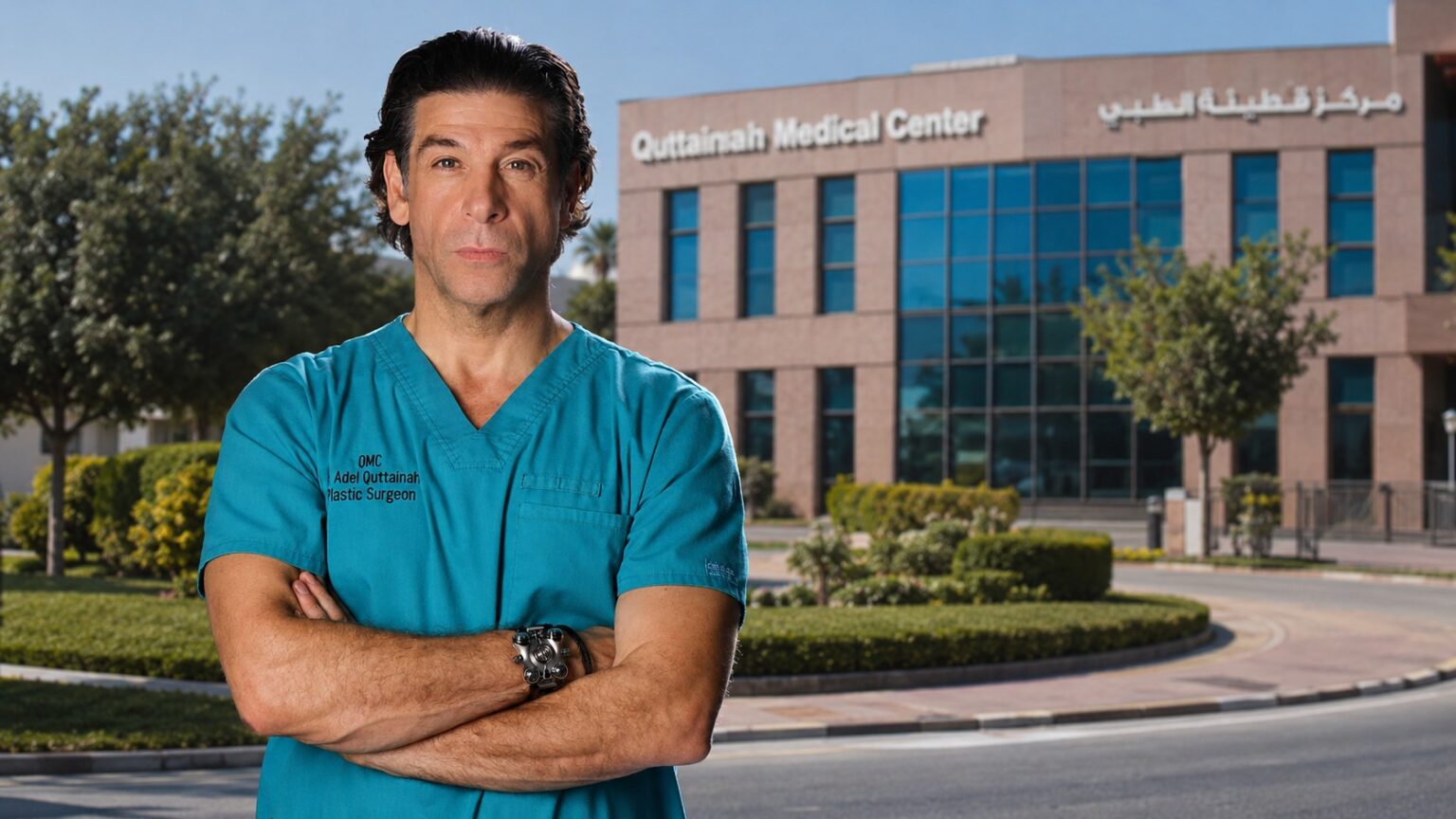
That gap is the market Dr Adel Quttainah has positioned against. The Kuwaiti surgeon opened Quttainah Specialized Hospital on Al Wasl Road in Umm Suqeim in 2021 and runs it as one node of a group that also operates centres in Kuwait and Doha. The proposition is not a cheaper operation. It is a follow-up address in the patient’s own country.
The market on the other side of the trade
Türkiye received 1,398,580 international patients in 2025 and generated $3.022 billion in health tourism revenue, according to Mustafa Eröğüt of the Service Exporters’ Association, speaking to Anadolu Agency this month. The first quarter of 2026 brought 302,487 patients and $761.5 million, with revenue per patient up roughly 39 percent year on year. Costs run 40 to 70 percent below European equivalents across more than 1,500 institutions, and Eröğüt lists the Gulf states among the largest source markets. His closing advice to patients was to verify official authorisation, contract in writing and avoid unregistered intermediaries operating solely through social media.
Dubai sells the opposite trade. The emirate received 691,478 international medical tourists in 2023, spending AED 1.03 billion directly and generating AED 2.3 billion indirectly, according to the Dubai Health Authority. Growth from 674,000 in 2022 was incremental, not explosive, because the emirate competes on regulation, accreditation and proximity rather than arbitrage.
Import the surgeon rather than export the patient
Quttainah’s hospital runs a roster of visiting international operators including Alfredo Hoyos, Shim Ching, Martin Jugenburg and Jamal Jomah, alongside a clinical training centre. In December 2025 it hosted the UAE launch of Avéli, a USFDA-cleared cellulite device, with Hoyos performing live surgery. Tarik Zahra and Samir Ghoraba, founders of the Cairo FACE congress, sit among its senior doctors.
Quttainah’s own training is in reconstructive microsurgery, including free tissue transfer and perforator flap work completed in Ontario, the branch of the specialty concerned with repair rather than elective enhancement. A Kuwaiti or Qatari patient who would otherwise buy a package in Istanbul flies one hour instead of five, operates under DHA licensing rather than an intermediary’s arrangements, and is reviewed afterwards at a group facility at home. Capital is validating the wider Dubai bet: Aster DM Healthcare announced a Dh1 billion expansion at the World Health Expo this year. But general hospital groups are not the competition for the aesthetic patient. A package price in Istanbul is.
Where the model meets its own argument
The visiting-surgeon structure reproduces the aftercare question in miniature. An acclaimed operator who flies in for a week is not in the country at week six, precisely when the seromas, wound breakdowns and necrosis catalogued in the BAAPS data present. The model only holds if the resident team, rather than the visiting name, demonstrably owns the follow-up, and if the patient knows before consenting which of the two will manage them on day 40. The price gap is equally real: a Dubai operation will not approach packages marketed at 30 to 80 percent below UK equivalents, confining the thesis to the segment able to pay a multiple for it.
The Gulf’s aesthetic market has run on price arbitrage for a decade. The July data reprices it, because it finally quantifies the component patients were never purchasing.