
 ع



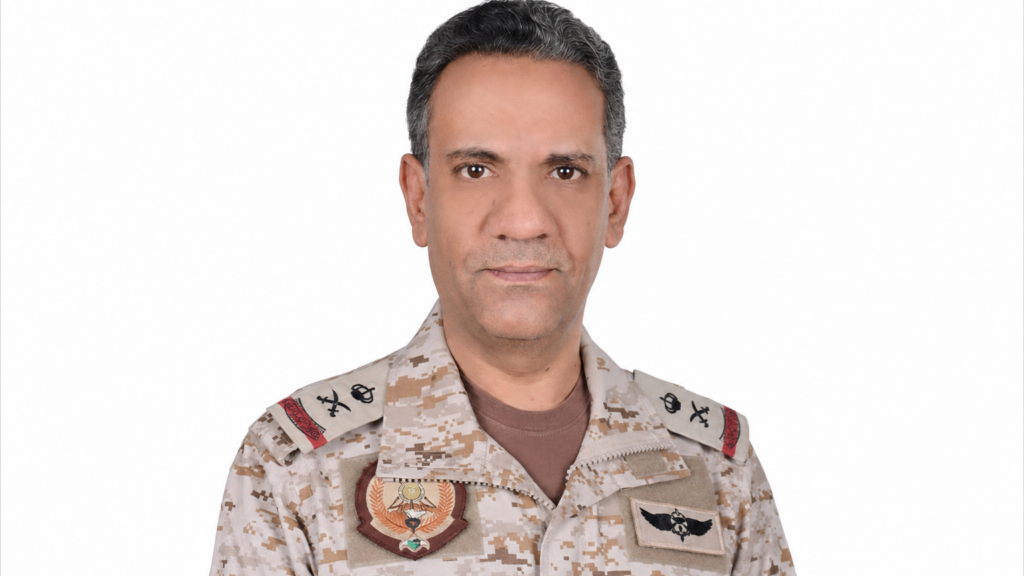
The Saudi-led coalition destroyed the projectile before it reached its target in the southwestern Saudi city home to a major military base according to a statement from coalition forces. Major General Turki Al-Maliki the official spokesman for the Coalition to Restore Legitimacy in Yemen confirmed the interception occurred early on October 12. Al-Maliki described the launch as part of continued attacks by the Houthi militia which Saudi authorities have labeled a terrorist organization. The coalition has maintained heightened alert levels across southern and central regions in response to these repeated threats.
A separate Houthi strike hit King Khalid International Airport in Riyadh on October 11 resulting in the death of a Pakistani resident and injuries to 11 others the General Authority of Civil Aviation reported via its official X account. The authority identified the wounded as including Saudi citizens and foreign residents with some sustaining critical injuries that required hospital treatment. Operations at the airport faced temporary suspension following the impact which sparked a fire in a terminal area. Saudi civil defence teams responded immediately to contain the damage and assist those affected.
The Riyadh airport assault formed part of a series of Houthi attacks on Saudi aviation facilities in recent days according to multiple statements from the General Authority of Civil Aviation. A prior strike targeted Abha International Airport where authorities reported additional casualties including two women killed and dozens wounded. The Saudi Press Agency conveyed these figures from the aviation body which has urged international carriers to exercise caution in regional airspace. Such incidents have disrupted air traffic and heightened security protocols at key Saudi airports.
Coalition forces have intercepted multiple Houthi ballistic missiles and drones over the past two weeks a development detailed in updates from Al-Maliki’s office. On October 8 three ballistic missiles two aimed at Riyadh and one at Khamis Mushait were destroyed before impact according to the coalition spokesman. These defensive operations preceded broader strikes by joint coalition forces on 82 Houthi military targets across several Yemeni governorates the spokesman announced. The campaign sought to degrade the militia’s launch capabilities following the airport assaults.
International reactions to the attacks have included condemnations from several Gulf states and beyond the Qatari Ministry of Foreign Affairs said in a statement posted on X. Officials in Qatar described the strikes on civilian infrastructure as a grave violation of Saudi sovereignty and a threat to regional stability. Similar sentiments came from Israeli Prime Minister Benjamin Netanyahu whose office denounced the assault on Riyadh airport despite the absence of formal diplomatic ties between the countries. These responses underscore the wider geopolitical implications of the renewed Houthi activity.
The incidents occur against the backdrop of the ongoing Yemen conflict in which the Saudi-led coalition has supported the internationally recognised government since 2015 according to assessments from Al Jazeera. Houthi military spokesman Yahya Saree claimed responsibility for the Riyadh strike asserting it successfully hit its target and disrupted operations though these claims could not be independently verified. The group has also warned airlines against using Saudi airspace outside of Mecca and Medina designating such flights as legitimate targets in statements reported by regional outlets. Saudi authorities continue to coordinate defensive measures while pursuing diplomatic efforts to de-escalate tensions along the border.